
Summary of Recent Threats Against Indian Muslims
Recent incidents in Uttarakhand have raised alarms among Indian Muslims, following violent threats linked to a communal dispute. Inflammatory remarks from a right-wing Hindu figure and the subsequent backlash highlight ongoing tensions that threaten the secular fabric of the region, exacerbating fears within minority communities.
The Context of Communal Tensions in Uttarakhand
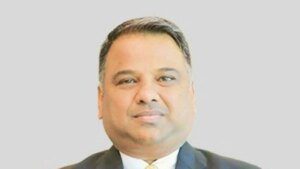
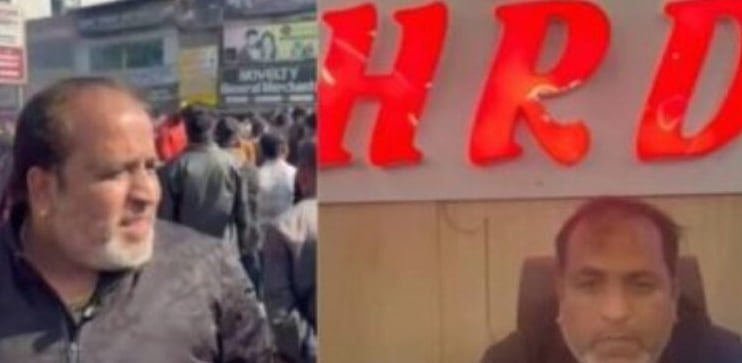
Uttarakhand, a state witnessing a rise in communal issues, has come under scrutiny after Lalit Sharma, the self-declared leader of the Hindu Raksha Dal, made inflammatory comments involving a local Muslim man, Deepak Kumar. This situation emerged from a community issue in Kotdwar, where Kumar defended an elderly Muslim shopkeeper being pressured to change his shop’s name due to its inclusion of the word “Baba.”
Sharma’s threats against Kumar, which included a reward for his beheading, sparked a deeper conversation about the impact of such rhetoric on religious polarization in India. Local police intervened, preventing members of Sharma’s group from escalating the situation and filing charges against him for promoting enmity and intimidation.
The Role of Law Enforcement and Community Reactions
The authorities’ quick response was critical in averting potential violence, as they tightened security measures in Kotdwar. However, local activists and rights organizations have raised concerns about the effectiveness of these measures in addressing hate speech and its underlying causes. The incident has led to widespread condemnation from journalists and social media users, who argue that more robust legal frameworks are necessary to address hate speech adequately.
Community responses have emphasized the need for dialogue and the establishment of safer environments for minority groups. Activists argue that incidents like these not only provoke fear but also threaten the greater social fabric, undermining years of communal harmony that various groups have worked to establish.
Political Context: The Sangh and BJP Governments
The rise of right-wing groups like the Hindu Raksha Dal correlates with the broader political landscape under the Bharatiya Janata Party (BJP) and Sangh Parivar. Their ideologies often question the integration and rights of Muslim communities, framing the discourse around protection of Hindu identity. This dynamic has led to ethnic tensions that some fear may overshadow governmental efforts for community harmony.
Political analysts suggest that the rhetoric employed by figures like Sharma is not merely a personal aberration but part of a systematic approach to consolidate political power by polarizing communities. This sets a precedent that undermines democratic principles, instilling fear in minority populations while emphasizing a singular national identity.
Why It Matters
The ramifications of such incidents extend beyond local communities; they reflect larger global trends concerning religious discrimination and minority rights. For developers, particularly in the AI and social media domains, the necessity of addressing hate speech and discriminatory practices is urgent. Policymakers may need to consider implementing frameworks that not only mitigate hate speech but also promote inclusive narratives that support disenfranchised groups. The effects on community dynamics, economic stability, and social cohesion underscore the significance of balanced discourse, which can influence policy decisions and societal norms worldwide.
Frequently Asked Questions
What triggered the unrest in Uttarakhand?
The unrest was triggered by threats made by right-wing Hindu leader Lalit Sharma against Deepak Kumar, who defended a Muslim shopkeeper’s right to use the word “Baba” in his shop name.
How did local authorities respond to the threats?
Local police intervened by stopping members of the right-wing group from reaching Kotdwar and filed charges against Sharma for promoting enmity and intimidation.
What are the implications of these incidents for Indian Muslims?
Such incidents contribute to a climate of fear and insecurity among Indian Muslims and raise concerns about their societal and political marginalization.
What can be done to improve community relations?
Improving community relations may involve enhancing dialogue between religious groups, strengthening legal frameworks against hate speech, and promoting narratives of inclusivity and shared identity.