
Summary
Syed Sohail Uddin, an Indian Muslim man, was brutally stabbed over 15 times inside Valley Fair Mall in Utah, allegedly due to his religion. This incident underscores rising concerns about religious discrimination and violence against Muslims in the United States, particularly in the context of the political landscape influenced by the Sangh and BJP governments in India.
The Attack at Valley Fair Mall
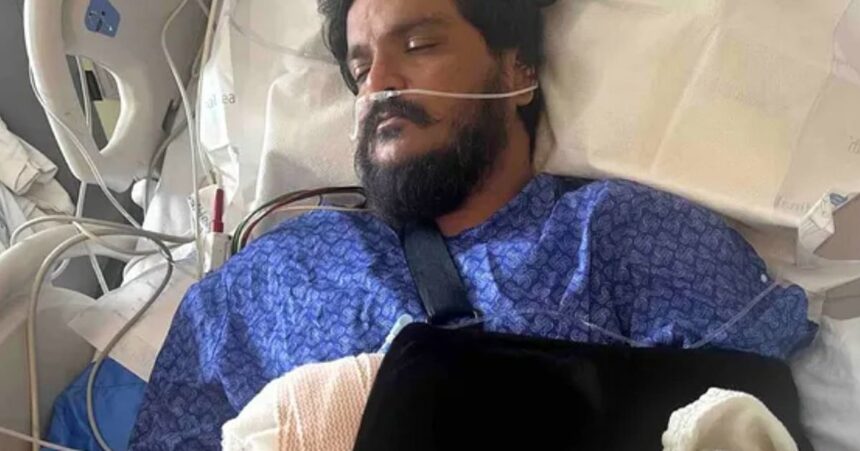
On Monday afternoon, Syed Sohail Uddin, a kiosk employee at the Valley Fair Mall near Salt Lake City, fell victim to a savage attack. Reports indicate that Peter Michael Larsen, a 48-year-old local man, is being charged for the assault after expressing a clear intent to kill Muslims. Bystanders intervened, managing to wrench the knife from Larsen’s hand before police arrived.
Syed, originally from Tolichowki in Hyderabad, now lives in the U.S. with his wife Amreen Firdouse and their two children. Now in critical condition, he faces multiple surgeries to address serious injuries inflicted upon his hands, heart, and lungs. Friends and community members have initiated fundraising efforts for his mounting medical expenses, signifying broad concern within the local Indian Muslim community.
The Suspect’s Background and Motive
Peter Michael Larsen had previously been incarcerated for a violent felony and was reportedly on parole at the time of the attack. Authorities revealed that Larsen told police about his desire to kill Muslims, explicitly targeting Uddin based on his religion. This event starkly illustrates how hate crimes rooted in religious intolerance continue to endanger lives and undermine social cohesion in the U.S. It raises unsettling questions regarding the influence of broader socio-political narratives that fuel such animosity against Muslims, both in India and abroad.
Responses from Community and Government
The incident has drawn attention from various organizations and government representatives. Amjed Ullah Khan, an activist and leader of the Hyderabad-based Majlis Bachao Tehreek (MBT) party, publicly called on India’s External Affairs Minister, Dr. S. Jaishankar, to assist Uddin and his family. Following the attack, the Indian Embassy in the U.S. confirmed that it was in touch with Uddin’s family, promising necessary support. These responses highlight a community that remains vigilant and proactive in addressing the plight of its members facing discrimination and violence abroad.
Why It Matters
This attack is emblematic of a troubling trend of rising Islamophobia, and it has implications that resonate beyond the immediate community. It raises awareness about the vulnerability of minority groups in the context of heightened political rhetoric that often marginalizes certain communities. Furthermore, this incident may provoke questions about the effectiveness of communal harmony initiatives in restrictive socio-political environments, particularly in light of the current governance in India where narratives often amplify division rather than unity. Additionally, for international observers, it serves as a stark reminder of the social fractures that can occur when governance fails to protect all citizens equally.
Frequently Asked Questions
What happened to Syed Sohail Uddin?
Syed Sohail Uddin was stabbed over 15 times in a hate-driven attack at Valley Fair Mall in Utah, resulting in critical injuries that require multiple surgeries.
Who is the suspect in this incident?
The suspect, Peter Michael Larsen, 48, is charged with the attack and reportedly expressed intentions to kill Muslims during his arrest. He has a history of violent crime and was on parole at the time.
What actions are being taken to support Syed Uddin?
Friends and community supporters have initiated fundraising efforts for his medical expenses. The Indian Embassy in the U.S. is also coordinating with Uddin’s family to provide assistance.
What does this incident indicate about social issues in the U.S.?
This incident raises serious concerns about rising religious discrimination and violence against Muslims in the United States, often exacerbated by divisive political rhetoric and societal tensions.