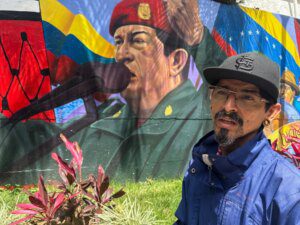

In a poignant exploration of identity and belonging, Khalil Guliwala, an Indian Muslim who moved to Quebec, has crafted a narrative that delves beyond mere immigrant experiences. His book, Un musulman à la cabane à sucre : Un mode d’emploi pour devenir Québécois, co-written with his wife Florence Morin-Laurin, seeks to bridge cultural divides and redefine Québécois identity in a modern context.
Immigration and Cultural Synthesis
Guliwala’s journey began when he arrived in Montreal 17 years ago to study at McGill University. It was here that he met Morin-Laurin in La Fontaine Park, and what started as a cultural exchange blossomed into a family. The couple now has three children and resides in Longueuil. Through their book, Guliwala aims to tackle the perceptions and questions surrounding immigration in Quebec. He states, “It’s not just a book about immigrant experiences; it’s what is Quebec? What does modern Quebec look like?” The work reflects the realities of a changing society influenced by diverse backgrounds.
Guliwala’s observations emphasize the essential role that language has played in his integration into Quebec culture. “Learning the language has exposed me to not just the broader Quebec understanding… I didn’t realize how blind I was until I learned the language,” he noted. This insight highlights how language serves as a gateway to deeper cultural understanding, which is particularly significant in a province like Quebec, where language is a cornerstone of identity.
Family Dynamics and Societal Perceptions
Morin-Laurin recalls the initial skepticism of her family when she introduced Guliwala as her partner. “I did get some frowns of like, are you sure a Muslim would like that kind of question?” she divulged. Over time, her family has come to appreciate Guliwala not merely as a representation of Islam but as an individual with unique experiences and virtues. This transformation signifies a broader challenge in societal attitudes towards Muslims, particularly in regions where this demographic may be marginalized.
The couple’s personal stories reflect the multifaceted layers of identity in Quebec, where traditional norms are being questioned. Guliwala articulates, “We have not yet been done with the quiet revolution… It’s still being figured out today.” The Quiet Revolution, a period marked by drastic socio-political changes in Quebec during the 1960s, laid the groundwork for discussions around identity and belonging, and its implications continue to resonate in contemporary society.
The Role of Literature in Shaping Understanding
Feedback on their book has demonstrated a willingness among Quebecers to engage with and understand immigrant perspectives. Guliwala states, “They were able to understand immigrants’ point of view, but also Quebecers understood themselves a bit better through their book.” Through literature, they are paving a path towards empathy and connection, which is vital for fostering a cohesive society in an increasingly multicultural landscape.
Morin-Laurin passionately shares how their family bridges cultural divides: “My mom loves to brag about the fact that she has a son who’s a Muslim, who’s Indian.” The open dialogue facilitates an environment of curiosity and understanding, which is essential for breaking down stereotypes and fostering community cohesion.
Why It Matters
The discussions brought forth in Guliwala’s book offer critical insights into the complexities of identity in modern Quebec. For those engaged in the AI sector, understanding these dynamics can drive more inclusive and nuanced interactions in technology development, particularly regarding user experiences and data representation. As digital platforms increasingly shape societal narratives, the integration of diverse voices will become essential for authentic engagement and representation. Promoting empathy and understanding through shared narratives can enhance the cultural competency of technological solutions, ensuring they cater to a multifaceted population.
Frequently Asked Questions
What themes are explored in Guliwala’s book?
Guliwala’s book explores themes of cultural identity, immigrant experiences, and the ongoing evolution of Quebec’s societal fabric in the context of modern multiculturalism.
How has language impacted Guliwala’s integration into Quebec society?
Learning the French language significantly enhanced Guliwala’s understanding of Quebec culture, allowing him to engage more deeply with his wife’s family and the community.
What challenges does the couple address regarding perceptions of Muslims in Quebec?
The couple confronts societal stereotypes and invites readers to view Guliwala as an individual rather than merely a representative of his religion, fostering more nuanced social interactions.
How does the book contribute to discussions around inclusivity in Quebec?
By sharing their personal stories and experiences, Guliwala and Morin-Laurin encourage dialogue on inclusivity, empathy, and the importance of understanding diverse backgrounds in constructing a shared Quebec identity.