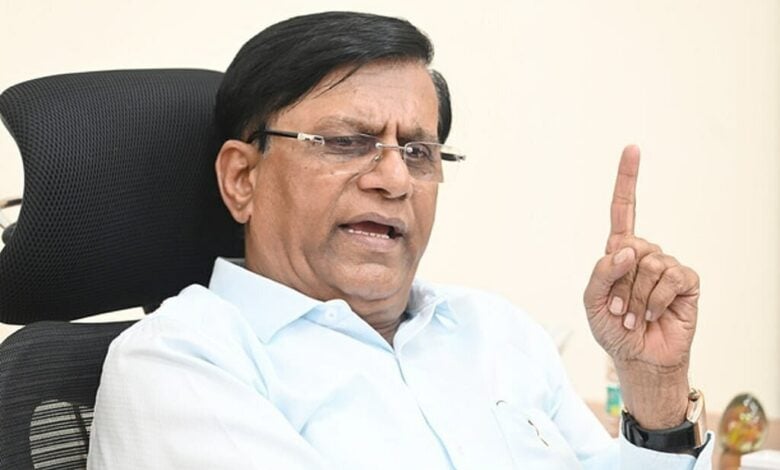

In a significant statement affirming the universal relevance of the Holy Quran, Karnataka’s Minister of Higher Education, Basavaraj Rayareddi, emphasized that the teachings of Islam extend beyond the Muslim community. His remarks come as India grapples with issues of discrimination and social exclusion faced by its Muslim population, highlighting the need for dialogue and understanding among different religious groups.
The Minister’s Call for Understanding
Basavaraj Rayareddi has garnered attention for his inclusive approach towards Islam and its ethical teachings. He pointed out that the Holy Quran is intended for all of humanity, advocating for a broader study of religious texts without prejudice. This perspective challenges prevalent stereotypes and misinformation about Islam in India, which often contribute to social tensions.
During his statements, Rayareddi expressed a desire to better understand the teachings of the Quran, highlighting the humanitarian values that underpin Islam, which promote respect and dignity for all individuals. His commitment to exploring religious texts is particularly relevant in a climate where dialogue between different faiths is increasingly important to counteract rising polarization.
Concerns Over Discrimination
Despite Rayareddi’s affirmations, the landscape for Muslims in India has been complicated by a series of discriminatory practices fostered by political rhetoric and policies from the ruling Bharatiya Janata Party (BJP) and affiliated organizations. Reports indicate instances of social exclusion and economic boycotts against Muslim communities, manifesting through limited access to resources and crucial public services.
The Minister’s remarks should be viewed in the context of ongoing challenges faced by Indian Muslims, who have often been marginalized. Initiatives like the Karnataka government’s support for marriage halls specifically for Muslims represent small but important steps toward recognizing the community’s rights and needs amidst a backdrop of rising tensions.
Reinforcing Humanitarian Values
Rayareddi articulated the importance of humanitarian and ethical values present in various religions, urging that religiosity should manifest in meaningful actions and not merely in ritualistic observances. His emphasis on moral conduct over ritualistic performance seeks to highlight a shared humanity that transcends religious boundaries.
This perspective is crucial as India experiences increasing inter-religious dialogues, aimed at fostering understanding through mutual respect and recognition of diverse belief systems. By prioritizing ethical behavior, the Minister aligns with a broader call for harmony, which is essential for societal stability in a country with diverse faiths such as India.
Why It Matters
The implications of Rayareddi’s statements extend beyond religious discourse; they touch on core issues of social equity and community relations in India. By promoting interfaith understanding, there lies potential for reducing discriminatory practices that have been exacerbated under recent governance. His stance is a crucial reminder of the values that can unite different communities, thereby fostering a more inclusive society. Furthermore, addressing the misconceptions surrounding Islam can aid in countering extremist narratives, thus contributing to national stability.
For developers and analysts observing the dynamics within Indian society, understanding these religious relations is vital for assessing the socio-economic landscape. It may also inform policy discussions that aim at inclusive governance frameworks, which can enhance democratic practices and societal well-being.
Frequently Asked Questions
What are the implications of Rayareddi’s statements on the Muslim community in India?
His comments signal a need for greater dialogue and understanding, which can help mitigate discrimination and foster a more inclusive society for all religious communities in India.
How does the current political climate in India affect Muslims?
The political narrative under the BJP has often led to social exclusion and discrimination against Muslims, impacting their access to resources and services.
What actions can be taken to support interfaith dialogue in India?
Encouraging educational initiatives, community engagement projects, and dialogues among different faith leaders can foster greater mutual understanding and respect.
Why is understanding the Quran important for non-Muslims?
Understanding the Quran can help dispel myths about Islam and promote tolerance, as its teachings emphasize ethical behavior and humanitarianism that benefit all of society.