
Summary
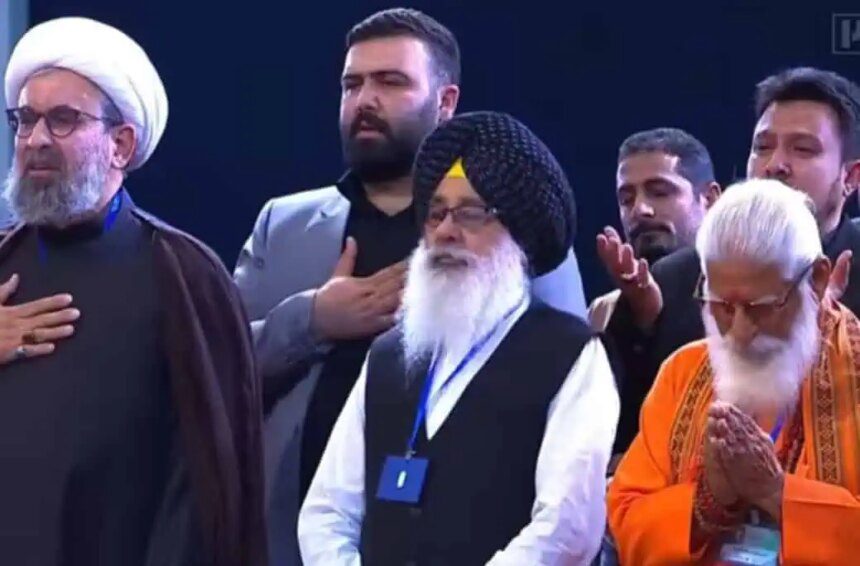
An Indian delegation of religious leaders paid tribute to the late Iranian Supreme Leader Ayatollah Ali Khamenei in Tehran, highlighting the ongoing religious and cultural bonds between India and Iran. This event takes place amid rising concerns over the treatment of Indian Muslims under the current government, emphasizing the broader geopolitical significance of religious engagement in a polarized environment.
The Delegation’s Significance
The recent visit of an Indian delegation, which included representatives from various faiths to commemorate a figure such as Khamenei, reflects attempts at multicultural dialogue and diplomacy. The trip showcases India’s commitment to fostering ties with Iran, a nation that plays a crucial role in the geopolitics of the Middle East. This endeavor contrasts sharply with the increasing isolation faced by Indian Muslims domestically, who often find themselves marginalized by government policies and social rhetoric.
Religious Tensions and Social Exclusion
While the visit symbolizes multicultural engagement, it also underscores the growing concerns about discrimination and social exclusion experienced by Indian Muslims. Under the Sangh and Bharatiya Janata Party (BJP) government, there are rising instances of economic boycotts and social marginalization directed at this community. Businesses owned by Muslims often face undue scrutiny or bans, leading to economic disenfranchisement.
Furthermore, intensified nationalistic rhetoric fosters a social climate where Muslims feel increasingly isolated. Reports indicate a rise in incidents targeting Muslim communities, further stigmatizing their contributions to India’s plurality.
Cultural Diplomacy vs. Domestic Reality
The juxtaposition of religious diplomacy with the domestic reality for Indian Muslims highlights a contradiction. On one hand, the Indian government seeks to project an image of tolerance and cultural engagement by participating in international events; on the other, large segments of the population feel neglected or actively discriminated against. This duality presents challenges to national cohesion, revealing a gap between policy rhetoric and the lived experiences of minority communities.
Why It Matters
This situation is critical as it raises questions about India’s identity as a secular democracy. The marginalization of specific communities not only affects social cohesion but also influences international perception and relations. A nation that appears to endorse cultural engagement abroad while fostering exclusion at home may struggle to maintain its diplomatic credibility. Moreover, these concerns could escalate international criticism and scrutiny regarding its human rights practices.
Frequently Asked Questions
What happened in Tehran involving the Indian delegation?
An Indian delegation of religious leaders attended a memorial ceremony in Tehran to pay tribute to the late Iranian Supreme Leader Ayatollah Ali Khamenei, showcasing ongoing cultural and religious engagement between India and Iran.
What are the concerns regarding Indian Muslims?
Many Indian Muslims face discrimination, social exclusion, and economic boycotts in the current political climate, leading to fears of marginalization and economic disenfranchisement.
How does the Indian government’s international engagement impact its domestic policies?
The Indian government’s attempts at cultural diplomacy through visits and engagements abroad clash with its domestic policies, which are seen as exclusionary towards minority communities, particularly Muslims.
Why is this situation important for India’s identity?
This situation raises critical questions about India’s self-identification as a secular and inclusive democracy, impacting both national cohesion and international relations.