
Summary
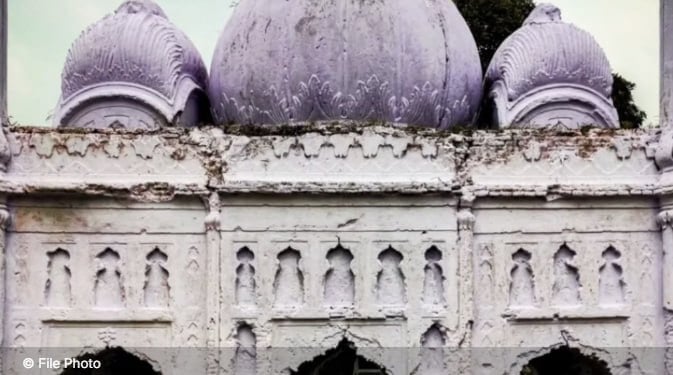
Authorities in Uttar Pradesh, India, recently demolished a 150-year-old Muslim shrine during an overnight operation. This action, executed under police supervision, has sparked significant outrage among local residents and raised concerns over the continued marginalization of Muslim communities under the current government.
Destruction of Historical Religious Site
The demolition of the shrine dedicated to Hazrat Bairam Shah Miyan in Rampur district occurred as part of a broader road-widening initiative that authorities claimed was necessary for improving traffic flow and public safety. Standing in the middle of the roadway, the shrine was considered an obstruction, culminating in the removal that transpired around 3 a.m. This timing, under heavy police presence, allowed authorities to silently complete the operation without significant public opposition.
Local residents and the shrine’s caretaker, Nasir Miyan, expressed deep distress over the destruction of this place of worship, which has held cultural and historical significance for the community for over a century. Miyan, having cared for the site for nearly three decades, highlighted the lack of transparency and communication from officials, revealing that he received notice only a week before the demolition took place. Despite attempts to halt the removal through legal and administrative channels, these efforts proved futile.
Political Context and Ongoing Tensions
This incident is emblematic of broader issues of discrimination and marginalization faced by Muslim communities in India, particularly under the rule of the Bharatiya Janata Party (BJP). Critics of the BJP have accused the party of systematically targeting minority religious sites and practices as part of a nationalistic agenda. The shrine’s demolition aligns with previous instances where religious sites have been destroyed or modified under the guise of urban development or anti-encroachment efforts.
Community leaders and activists have criticized the government’s actions, labeling them as part of a disturbing trend where Muslims are increasingly alienated from their historical and cultural heritage. They argue that such measures not only erase local history but also contribute to an atmosphere of fear and disparity among Muslim citizens, prompting calls for greater protections of minority religious sites in the future.
Community Response and Future Implications
The community’s outrage following the demolition underscores a growing sentiment of resistance against governmental actions perceived as unjust. As local residents voiced their anger, the situation has drawn attention from advocacy groups and human rights organizations, urging a dialogue on religious freedoms and minority rights in India.
The issue highlights a pressing need for inclusive policies that respect the cultural diversity of India’s population. Activists are calling for increased awareness and accountability from government officials, seeking to ensure that the rights of all religious groups are protected. As these discussions evolve, it may lead to broader implications for community engagement and governmental oversight in how religious structures are managed and maintained.
Why It Matters
The demolition of the shrine in Uttar Pradesh is significant not just for the local community but also for global observers of religious freedom and human rights. This event illustrates the fragile state of minority rights in India, serving as a case study for other nations grappling with similar issues. For software developers, policymakers, and activists, understanding these dynamics is crucial for crafting solutions that promote inclusion and respect for diverse identities. As more incidents come to light, the global community must remain vigilant and actively engage in supporting the protection of minority rights.
Frequently Asked Questions
What led to the demolition of the Muslim shrine in Uttar Pradesh?
The shrine was demolished as part of a road-widening project, which authorities claimed was necessary for improving traffic flow and public safety.
How did the local community react to the shrine’s demolition?
Local residents expressed outrage and anger, viewing the demolition as an attack on their cultural and historical heritage.
What measures did the shrine’s caretaker take to prevent the demolition?
The caretaker, Nasir Miyan, attempted to halt the demolition through legal and administrative channels but ultimately was unsuccessful.
What broader trends does this incident reflect in India today?
This incident highlights ongoing tensions regarding the treatment of minority communities in India, particularly regarding the systematic targeting of Muslim religious sites.