
Ghana’s Police Chief Calls for Unity Amid Rising Religious Tensions
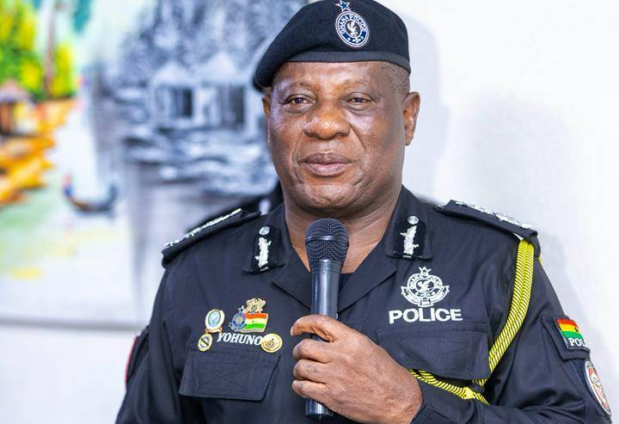
Inspector-General of Police (IGP) Christian Tetteh Yohuno has urged religious leaders in Ghana, both Christian and Muslim, to leverage their influence to resolve escalating tensions that threaten the nation’s reputation for peaceful coexistence. This call comes in light of recent incidents that have stirred discord among religious communities and tested Ghana’s long-standing commitment to tolerance.
Recent Incidents Highlight Rising Tensions
During an engagement with the Police Management Board (POMAB) and religious leaders on August 14, Mr. Yohuno spoke of “profound tension” in the country. He pointed to several disturbing events, including incendiary comments aimed at the Holy Prophet Muhammad, calls for extrajudicial violence, and the assault of a handcuffed Christian cleric. These acts have tested the foundations of Ghanian society and highlighted the need for dialogue and understanding.
Mr. Yohuno disclosed that three individuals had been arrested regarding these incidents—an Islamic cleric accused of calling for extrajudicial killings, a Christian cleric accused of making blasphemous statements, and an individual involved in a viral video assaulting a pastor. All three individuals are currently on bail while investigations continue, the IGP confirmed.
The Role of Religious Leaders in Promoting Peace
Recognizing that law enforcement alone cannot heal the social and religious fractures, Mr. Yohuno appealed to religious leaders to engage in public demonstrations of unity. He urged them to appear together, issue joint statements, and cultivate a communal atmosphere that emphasizes shared values rather than divisions. The IGP emphasized that freedom of expression should not serve as an excuse to insult or disrespect other faith traditions, calling for both Muslims and Christians to exercise restraint in their public speeches.
“True Christian witness is found in love, peace, and patience,” he stated, reinforcing the importance of interfaith dialogue and mutual respect in maintaining Ghana’s social fabric. The IGP pointed out that Ghanaians have historically coexisted as neighbors and collaborators, underlining the need to view religious diversity as a collective strength rather than a source of conflict.
Youth Engagement in Combating Religious Divisions
The IGP expressed particular concern about the youth, suggesting they are more susceptible to radical ideas propagated online. He cautioned citizens against hasty reactions to provocative content on social media, urging them to allow appropriate authorities to investigate allegations thoroughly. He warned against vigilantism and emphasized that taking justice into one’s own hands would undermine the constitutional order and threaten the stability that Ghanaians have built over generations.
Mr. Yohuno’s address was not merely a call to action; it was a reminder of the precarious balance Ghana maintains as a society that prides itself on diversity amid a backdrop of external pressures from conflicts in neighboring regions. His assertion that “violence will not fix what words have broken” serves as a poignant reminder to prioritize dialogue over discord.
Why It Matters
Instances of religious tensions in Ghana are telling not just of local dynamics but also resonate with broader global trends where religious identity is increasingly politicized. The IGP’s proactive approach highlights the importance of interfaith dialogue and the need for community leadership to avert conflicts. Countries grappling with similar issues can take lessons from Ghana’s approach to maintain peace and to cultivate an environment of coexistence despite diverse religious beliefs.
Frequently Asked Questions
What actions are being taken by law enforcement to address religious tensions in Ghana?
The Ghana Police Service has arrested three individuals related to recent incidents of religious provocation and is actively investigating these matters to ensure justice is served through proper legal channels.
How can religious leaders influence peace in Ghana?
Religious leaders are encouraged to publicly demonstrate unity, engage in joint activities, and promote messages that emphasize shared values, which can help reduce tensions and foster coexistence among different faiths.
Why is the youth demographic a focus in addressing religious tensions?
The youth are more likely to be influenced by potentially inflammatory online content. By engaging them positively, leaders can help mitigate the spread of extremism and encourage peaceful dialogue.
What is Ghana’s historical context regarding religious coexistence?
Ghana has a rich history of Christians and Muslims living and working together as neighbors and collaborators, showcasing the potential for a harmonious society despite differing beliefs.