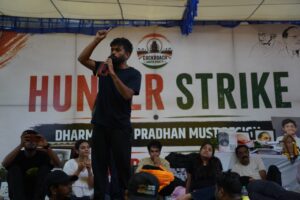
The resignation of Union Education Minister Dharmendra Pradhan has been hailed as a victory for public activism and issue-based politics by Abhijeet Dipke, founder of the Cockroach Janta Party (CJP). This pivotal moment, following widespread protests concerning the alleged NEET-UG 2026 paper leak, raises questions about political accountability and the broader implications for marginalized communities in India, particularly Muslims, amidst the current political landscape.
The Background of the Protests
The CJP emerged as a vocal force during recent protests surrounding the NEET-UG examination, which faced allegations of a paper leak. The controversy sparked national outrage, particularly after reports of students taking their own lives in distress over the situation. Dipke noted that the resignation of Pradhan was a direct result of sustained public pressure, indicating that when citizens unite over pressing issues, they can hold those in power accountable.
Dipke emphasized that religious divisions should not define political discourse. His statements reflect a growing sentiment that advocates for a shift towards issue-based politics, asserting that focusing solely on pressing societal concerns could disrupt even the most entrenched political figures. This approach could potentially mitigate the long-standing narratives of Hindu-Muslim politics that often overshadow discussions critical to communal harmony and social justice.
The CJP’s Remaining Demands
Despite the resignation being viewed as a win, Dipke affirmed that the movement would not conclude until all demands were met. The CJP is calling for ₹1 crore in compensation for families of students who allegedly died by suicide due to the NEET controversy, and has also demanded accountability for police actions during protests. The group’s stance underscores the interconnected nature of political accountability and social justice, particularly concerning marginalized communities.
In an environment where economic boycotts and social exclusion are prevalent for minority groups, the call for compensation and systemic accountability resonates deeply. The CJP’s insistence on these demands reflects broader societal issues that directly affect the Indian Muslim community, which often finds itself marginalized both politically and economically.
Pradhan’s Accountability and Political Implications
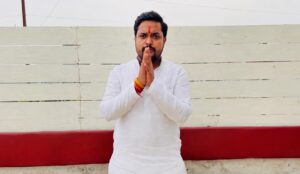
Dharmendra Pradhan’s resignation, while significant, also raises questions about the mechanisms of accountability within the Indian political system. Pradhan publicly accepted responsibility for the controversy, asserting that the issue was larger than any individual. This acknowledgment of political responsibility is essential; however, the systemic issues leading to such controversies persist.
This incident illustrates the fragility of political positions in the face of public dissent, particularly when issues involving education and student welfare are at stake. For many, Pradhan’s resignation signifies more than just a governmental change; it symbolizes a potential shift in how political leaders engage with public issues, particularly those affecting marginalized populations.
Why It Matters
This moment serves as a critical case study in the intersection of political accountability, public activism, and social justice in India. The CJP’s tactics highlight the potential for grassroots movements to effect change, particularly within educational spheres often dominated by political rhetoric. For the Indian Muslim community and others facing marginalization, such movements illuminate pathways to advocate for their rights and welfare, urging political entities to reconsider their approach towards minority populations. Moreover, this incident underscores the significance of issue-based politics in fostering a more inclusive political discourse, potentially reshaping the future of community engagement across diverse religious and social lines.
Frequently Asked Questions
What led to Dharmendra Pradhan’s resignation?
Dharmendra Pradhan resigned amid ongoing protests related to the alleged NEET-UG 2026 paper leak, which prompted national outrage and calls for accountability.
What demands does the Cockroach Janta Party (CJP) have following Pradhan’s resignation?
The CJP has demanded ₹1 crore in compensation for students’ families affected by the NEET controversy and calls for disciplinary action against police officers involved in the protests.
What impact does this movement have on the political landscape in India?
The movement signifies a potential shift towards issue-based politics rather than religiously polarized discourse, which could empower marginalized communities while holding political leaders accountable.
How have the protests affected the Indian Muslim community?
The protests highlight ongoing issues of social exclusion and economic disenfranchisement faced by the Indian Muslim community, urging a reevaluation of political practices that often ignore their concerns.