
Summary
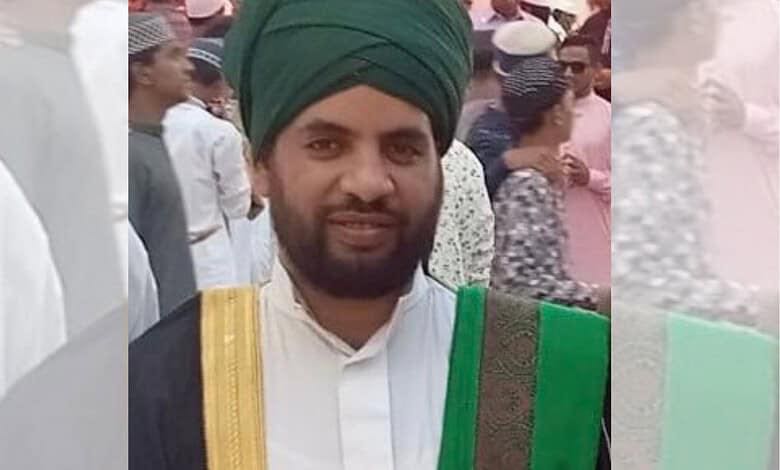
Hassan Moiuddin Siddiqui, a Hyderabad-based freelance journalist, was granted bail after months of incarceration due to his retweeting of a controversial video. This incident highlights the broader issues of discrimination, social exclusion, and the implications of free speech under the current political climate in India, particularly concerning the treatment of Muslim individuals by the Sangh and BJP governments.
Background on the Arrest
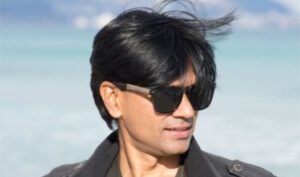
In April, Siddiqui was arrested by Punjab Police for allegedly retweeting a video by academician Madhu Kishwar. The video claimed that Prime Minister Narendra Modi was featured in a controversial facial massage clip and that U.S. intelligence agencies had compromising footage of him. This retweet was deemed provocative by authorities, resulting in serious charges against Siddiqui under the Bharatiya Nyaya Sanhita and the Information Technology Act.
Siddiqui’s arrest reflects a significant trend of targeting journalists and activists under laws that critics argue suppress free speech. The Punjabi police justified their actions by suggesting the content could disrupt public peace and communal harmony. Siddiqui’s earlier bail pleas were consistently rejected, underscoring a climate where dissenting voices are increasingly silenced.
The Judicial Response
In late July, a Chandigarh court ruled against Siddiqui’s bail application, citing the seriousness of the allegations. The judge ruled that considering the sensitivity of the matter, granting bail could disturb public order. The court emphasized that the allegations had broader implications that extended beyond a single case, reflecting systemic issues regarding state control over speech and expression.
The state’s position indicates a troubling trend where legal frameworks are used to exert pressure on individuals from marginalized communities, particularly Muslims. The technical evidence linking Siddiqui to the social media account in question further raises concerns about surveillance and the accountability of authorities in monitoring citizens’ activities online.
Broader Implications for Journalists and Activists
The case of Siddiqui highlights a chilling effect on journalists and activists who dare to challenge the narrative put forth by the BJP government. Increasingly, professionals in the field of journalism who tackle sensitive subjects related to religion, governance, and social issues face severe consequences, including lengthy detentions without trial. This raises questions about the integrity of India’s democratic institutions and the rule of law.
The ordeal faced by Siddiqui showcases a landscape where media freedom is severely compromised, especially for Muslim journalists and activists. Such treatment not only alienates individuals from the mainstream but also intimidates potential voices of dissent. As the legal apparatus becomes a tool for political censorship, the repercussions may extend to the public sphere, where fear stifles discussion and critical dialogue on important social issues.
Why It Matters
The implications of Siddiqui’s case extend beyond individual rights. It highlights the chilling atmosphere confronting journalists in India, significantly affecting the ability of media to function as a watchdog. For global audiences, understanding these dynamics is crucial, as they reveal the erosion of democratic values and the increasing marginalization of vulnerable communities. Moreover, the treatment of journalists reflects broader societal issues that may impact foreign relations, investments, and human rights perceptions of India on the global stage.
Frequently Asked Questions
What are the charges against Hassan Moiuddin Siddiqui?
Siddiqui faces charges linked to a video he retweeted, which allegedly could disrupt public peace and communal harmony. These charges are brought under the Bharatiya Nyaya Sanhita and the Information Technology Act.
Why was Siddiqui’s bail repeatedly denied?
His bail applications were denied on the grounds that the allegations were serious and that granting bail could disturb public order. The court emphasized the sensitive nature of the claims involved.
How does this incident reflect on the treatment of Muslims in India?
The case exemplifies a broader trend of discrimination and social exclusion affecting Muslims in India, where governmental actions increasingly suppress dissenting voices, particularly among those questioning state narratives.
What are the implications for freedom of speech in India?
Siddiqui’s arrest and subsequent treatment raise significant concerns regarding freedom of speech in India, suggesting a deteriorating environment for journalists and activists who address sensitive topics. This threatens the very fabric of democratic discourse in the country.