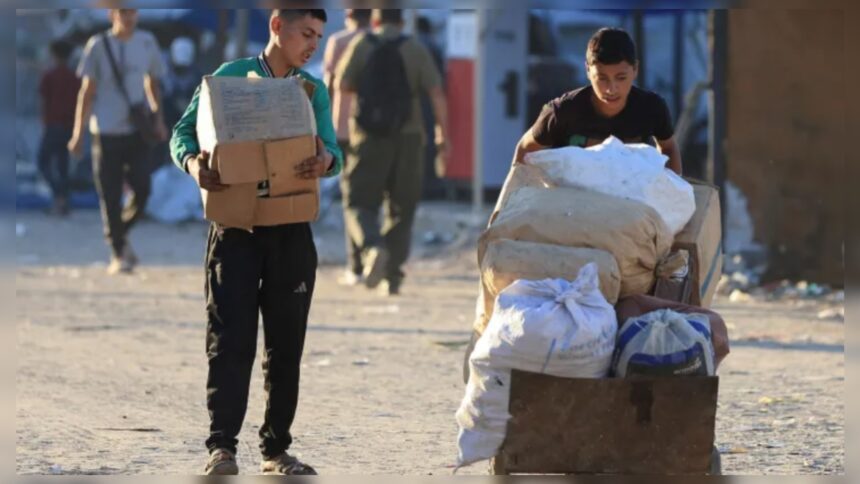

Humanitarian Crisis in Gaza: A Breaking Point for Aid Operations
Israeli restrictions have brought humanitarian efforts in Gaza to an alarming threshold, according to Athena Rayburn, Executive Director of the Association of International Development Agencies. Speaking at the UN Security Council on 26 August, she highlighted that essential medical supplies are often categorized as “dual-use” and barred from entry, exacerbating the ongoing humanitarian crisis.
Severe Restrictions and Increasing Costs
Rayburn reported that critical items like scissors, crutches, wheelchairs, and prosthetic limbs face extensive barriers, causing profound distress for those needing them. The situation is further exacerbated by exorbitant prices for basic necessities; engine oil, for example, has become 45 times more expensive than usual. Furthermore, food items such as watermelons and onions are selectively restricted, highlighting an unpublished policy that complicates food availability.
As of now, international aid organizations are also under threat, with over 30 deregistered, raising concerns over the future of aid operations. Access to at least 85 water points, schools, and clinics has been significantly restricted, worsening the dire conditions faced by the population.
Calls for Immediate Action and Criticism of Current Efforts
Rayburn made it clear that the entry of aid supplies should not be misconstrued as a solution to the crisis. Despite some progress from what she termed an “engineered famine,” the latest IPC assessment indicates continued vulnerability to hunger, violence, and deprivation among Palestinians. She emphasized the need for sustained access, essential services, and the creation of living conditions that allow people to thrive rather than survive.
US Ambassador Mike Waltz countered this perspective, arguing that the briefing neglected to address alleged abuses by Hamas, including torture and the militarization of hospitals and schools. UN Deputy Special Coordinator Ramiz Alakbarov underlined that, regardless of a 10-month ceasefire, conditions remain dire, with two-thirds of Gaza being inaccessible. Additionally, the humanitarian appeal for 2026 is only 40 percent funded, putting countless lives at risk as winter looms.
The Political Landscape and Its Implications
Amidst these warnings, Israel continues to assert commitment to the US 20-point plan aimed at peace but maintains that Hamas must disarm first. They report that approximately 600 aid trucks are now entering Gaza daily. However, the Arab Group, represented by Qatar, advocates that true peace requires an end to Israeli occupation and respect for Palestinian self-determination.
Moreover, Alakbarov reiterated the legal invalidity of West Bank settlements and the planned E1 units, emphasizing their potential threat to the establishment of a viable Palestinian state. Palestinian sources reported ongoing Israeli airstrikes on 27 August, with the Gaza Health Ministry confirming 1,304 deaths and 4,336 injuries since the ceasefire in October. Cumulatively, there have been over 73,000 deaths and 174,000 injuries since October 2023, indicating severe human toll in the region.
Why It Matters
The situation in Gaza is critical not only for those directly affected but also for global humanitarian efforts and international relations, particularly regarding discourse on human rights. The restrictions imposed on humanitarian aid challenge the ethical responsibility of nations and organizations to provide assistance and uphold fundamental human rights. Such conditions affect broader geopolitical stability, inviting scrutiny on how international laws governing humanitarian practices are being upheld or ignored. Monitoring and responding to these crises is crucial for organizations, humanitarian workers, and policymakers alike, ensuring that any future actions support sustainable solutions rather than temporary relief.
Frequently Asked Questions
What are the current humanitarian conditions in Gaza?
Humanitarian conditions in Gaza remain critical, with severe restrictions on essential supplies, high prices for basic necessities, and limited access to medical care and clean water.
How many aid organizations have been affected by the Israeli government policies?
More than 30 international aid organizations have been deregistered due to Israeli government policies, significantly impacting aid operations.
What has been the response of international bodies to the crisis in Gaza?
The international community has issued warnings regarding the worsening humanitarian conditions, with calls for sustained access to aid and criticism of policies hindering aid delivery.
What is the significance of the US 20-point plan in the context of the crisis?
The US 20-point plan aims to foster peace in the region, but it is contingent upon Hamas disarming, which complicates the situation further and raises questions about the viability of peace initiatives.