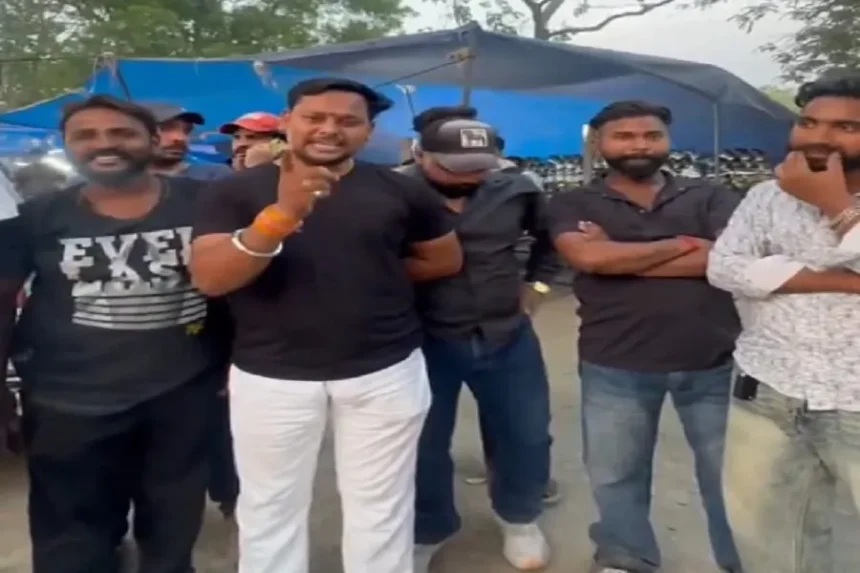

Recent incidents in Rishikesh have raised alarm over allegations of religious profiling and intimidation directed towards Muslim business owners, revealing broader concerns about discrimination and economic marginalization within India. Activists argue these actions epitomize a trend of targeting minority communities based on religious identity, exacerbating social tensions in the region.
Intimidation of Muslim Business Owners
In Rishikesh, Uttarakhand, members of a Hindutva organization have reportedly engaged in religious profiling by targeting Muslim shopkeepers in local markets. According to eyewitness accounts, these individuals identified shopkeepers based on their names, subsequently issuing threats and ultimatums regarding how the businesses should operate. The group reportedly demanded that a woman be present in shops, implying non-compliance could lead to repercussions.
This intimidation tactic has raised serious concerns among local activists and social media users, who argue that it is a direct attempt to affect the livelihoods of Muslim business owners. Critics have questioned the legitimacy and authority of such demands, pointing out the discriminatory nature of targeting individuals based on religious affiliation.
Social Media Outcry and Lack of Official Response
The incident has sparked outcry on social media, where videos of the confrontations have gone viral. Users have condemned the actions of the Hindutva group and called for a formal investigation from the local authorities. One social media user highlighted the alarming nature of such incidents, noting, “Complete transition into mobocracy and this is something even the opposition doesn’t want to speak of.”
This atmosphere of fear is further complicated by the absence of an immediate response from local authorities, raising questions about their role and responsibilities in protecting all citizens, particularly minority communities, from intimidation and harassment.
Broader Implications for Minority Rights
The targeting of Muslim business owners in Rishikesh reflects a growing trend where individuals are discriminated against based on their religious identity. Observers point out that actions demanding religious-based compliance from shopkeepers create a hostile environment for minorities. The incident is symptomatic of a broader erosion of democratic norms and principles in India, raising alarms about civil rights and the constitutional guarantees of equality and freedom of commerce.
Critics have emphasized that asking individuals to disclose their religion before issuing directives amounts to systemic discrimination. The normalization of intimidation from self-styled vigilante groups is presenting significant challenges to community cohesion and can lead to economic boycotts against specific groups, perpetuating a cycle of marginalization.
Why It Matters
The situation in Rishikesh underscores the growing power of extremist groups in influencing public behavior and policy, especially in relation to minority communities. This development is problematic not just for India, but for global discussions on human rights, social inclusion, and economic equity. Understanding these dynamics is crucial for technologists, policymakers, and civil society organizations focused on promoting equality and social justice. The episode highlights the need for vigilance against the rise of discrimination and the potential ramifications for societal stability and economic diversity. Furthermore, the role of social media in amplifying social issues is significant as it can mobilize action and foster accountability, but it remains essential to understand the challenge of false narratives that can arise from these platforms.
Frequently Asked Questions
What is the incident in Rishikesh about?
Muslim shopkeepers in Rishikesh were reportedly targeted by a Hindutva organization that demanded they adhere to certain demands, including the presence of female staff in their shops, under the threat of intimidation.
How has the public reacted to this incident?
The incident has triggered widespread condemnation on social media, with calls for a formal investigation into the conduct of the group and the authorities’ response.
What are the broader implications of this event?
This incident reflects ongoing tensions regarding religious discrimination and the rise of vigilantism in India, raising concerns about the erosion of democratic norms and the targeting of minority communities.
What should be done in response to such incidents?
There is a strong call for local authorities to intervene and investigate actions that threaten the safety and livelihoods of minority groups, ensuring that constitutional rights are protected for all citizens.