
Impact of Rising Silver Prices Amid Geopolitical Tensions
The recent surge in silver prices, driven by geopolitical conflicts, is reshaping consumer behavior in India and impacting the livelihoods of many who depend on the precious metals industry. The ongoing tension surrounding Iran and the recent import tariffs imposed by the Indian government are significant factors contributing to this volatility.
Geopolitical Factors Behind Price Increases
Silver prices in India began their climb around early 2022 with Russia’s invasion of Ukraine, but the situation escalated further with the US and Israeli military actions toward Iran. By 2023, silver prices fluctuated between ₹70,000 to ₹80,000 per kilogram, with projections soaring to approximately ₹98,000 in 2024. However, amid rising conflict with Iran, prices peaked at around ₹450,000 per kg before stabilizing around ₹250,000 per kg, more than three times their levels from a few years ago.
Economists, including Dr. Salahuddin Ayyub from India’s Ministry of Commerce and Industry, attribute this unprecedented price volatility to geopolitical unrest. According to Ayyub, “When stock markets become volatile, investors move their money into safer assets, such as gold and silver.” This shift in demand causes prices to spike sharply, affecting both the market and the consumers.
Impact on Indian Consumers and Traditional Artisans
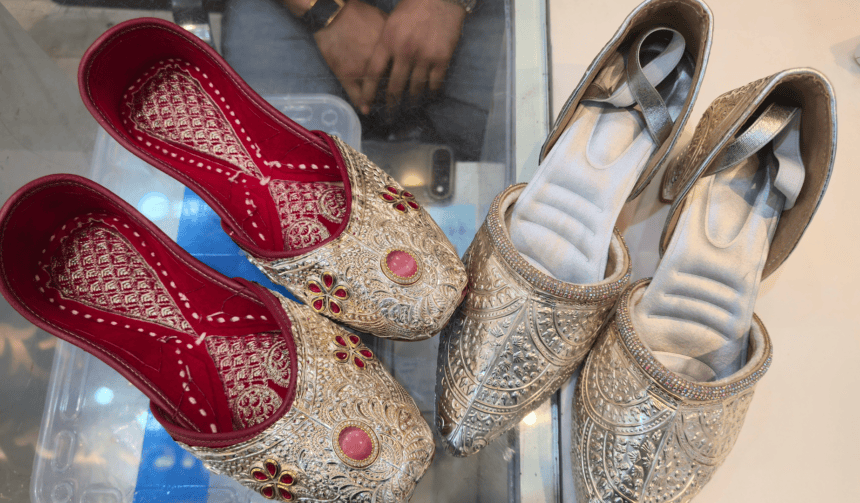
The ramifications of rising silver prices are particularly acute in India, where gold and silver play pivotal roles in cultural traditions and family finances, especially during weddings. As prices rise, many families are opting for lower-cost alternatives such as artificial jewelry, which in turn impacts traditional artisans, silversmiths, and shopkeepers who rely on the sales of these precious metals.
Ayyub warns that while consumers may find substitutes, the livelihoods of those working within the precious metals sector are at risk. “Entire communities whose incomes depend on these metals are now facing shrinking demand and growing economic uncertainty,” he stated, shedding light on the deeper societal impacts of soaring prices.
In response to the escalating prices, Indian brides, especially those in regions like Lucknow, are grappling with difficult choices as budgets tighten. The cultural significance of silver makes these choices all the more painful, as families must weigh tradition against financial realities.
Government Measures and Import Tariffs
Another layer to this complex situation is the Indian government’s response to heightened silver prices. Historically, India has relied heavily on imported silver to meet more than 80% of its domestic demand. A surge in demand for imports can put pressure on the country’s foreign exchange reserves, prompting the government to intervene. Recently, import duties on silver were doubled in May, leading to a steep decline in imports.
As a result, silver imports plunged by 87%, dipping to only $75.6 million in May — the lowest in over three years. These high tariffs also drive a wedge between domestic prices and global market rates. While the global price of silver hovers around ₹201,000 per kg, Indian prices are over 20% higher due to these restrictions, ultimately placing a burden on the consumer.
What This Means
The ongoing fluctuations in silver pricing serve as a reflection of larger economic and geopolitical forces at play. For Indian consumers, particularly those linked to traditions involving precious metals, the shift may necessitate a reevaluation of longstanding practices surrounding weddings and cultural milestones. Additionally, artisans and craftspeople face increasingly challenging market conditions as demand declines and prices remain high. The government’s protective tariffs could serve to stabilize foreign reserves, but they also risk further alienating consumers from the luxury of precious metals, reinforcing a need for policies that balance domestic needs with global market dynamics.
Frequently Asked Questions
Why have silver prices in India been rising?
Silver prices in India have been influenced by geopolitical tensions, especially surrounding conflicts involving Russia and Iran, as well as increased Indian import tariffs aimed at protecting foreign exchange reserves.
How do rising silver prices affect Indian consumers?
As silver prices rise, many Indian consumers opt for cheaper alternatives, impacting the sales of traditional jewelry. Households face tough choices, especially during culturally significant events like weddings.
What are import tariffs and how do they affect silver prices in India?
Import tariffs are taxes imposed on imported goods. In India, rising tariffs on silver have increased domestic prices significantly, making them higher than global market prices.
Who is most affected by the surge in silver prices?
Those most affected include consumers who must adjust their purchasing decisions, as well as artisans, silversmiths, and shopkeepers who depend on the sales of precious metals for their livelihoods.