
Cyclone Arnab Hits Southeastern Coast
India’s southeastern coast has been severely impacted by Cyclone Arnab, which made landfall on Wednesday, causing substantial damage and resulting in the loss of at least three lives. The cyclone struck Andhra Pradesh as a “very severe cyclonic storm,” packing wind speeds of 125-135 km/h (77-84 mph) and gusts reaching up to 150 km/h (93 mph). As the storm progressed, it weakened into a deep depression by Wednesday afternoon, but not before leaving a trail of destruction in its wake.
Impact of the Cyclone
The Indian Meteorological Department (IMD) reported that torrential rainfall accompanied the cyclone, with some regions of Andhra Pradesh and Odisha receiving as much as 30 centimeters (nearly 12 inches) of rain. This extreme weather led to flooding in several areas, exacerbating already vulnerable situations for local populations.
In response to the impending disaster, approximately 50,000 residents in Andhra Pradesh were evacuated to safer locations. An additional 48,000 individuals were also advised to relocate in neighboring Odisha. These precautionary measures reflect the Indian government’s commitment to safety, though they come amid challenges related to overcrowding in relief centers and the adequacy of emergency supplies.
Response and Recovery Efforts
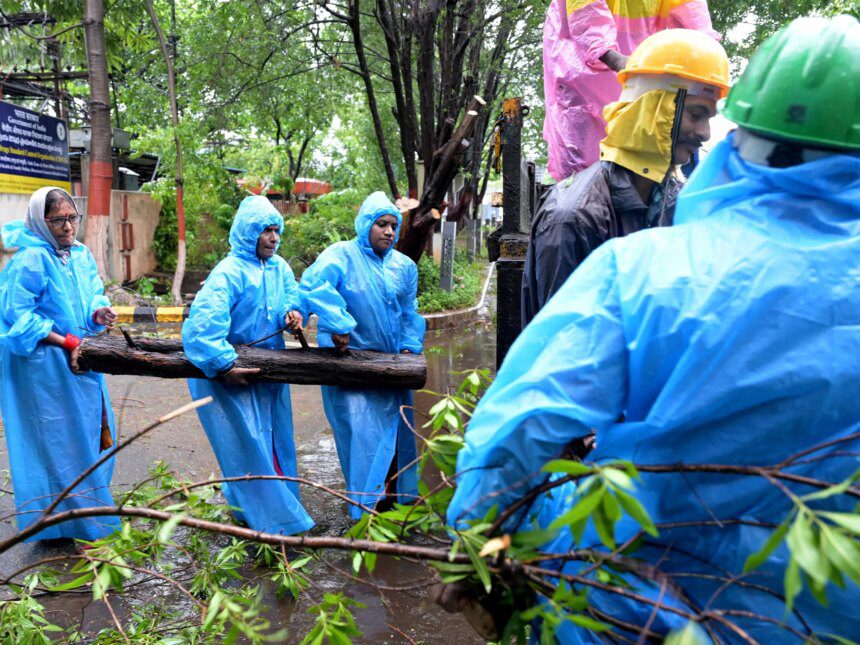
Local authorities, in collaboration with national agencies, have mobilized resources for immediate relief and recovery. Rescue teams are working tirelessly to restore public services, including electricity and transportation, which were disrupted due to the cyclone. Efforts are also underway to provide emergency supplies, such as food and clean water, to affected populations.
In the longer term, the cyclone serves as a reminder of the necessity for improved infrastructure and emergency preparedness, particularly in coastal states prone to severe weather events. Lessons from previous cyclones will likely inform recovery plans as officials assess damage and prioritize restoration efforts.
What This Means
Cyclone Arnab underscores the growing urgency for effective climate adaptation strategies in India, particularly in states like Andhra Pradesh and Odisha that are frequent targets for cyclonic storms. As climate change intensifies weather patterns, Indian authorities must prioritize investments in infrastructure capable of withstanding such extreme events. Enhanced early warning systems are crucial for timely evacuations, potentially minimizing loss of life and property in the future. This event also highlights the need for community resilience programs that empower local populations to prepare for and respond to disasters.
Frequently Asked Questions
What categories does Cyclone Arnab fall into?
Cyclone Arnab was classified as a “very severe cyclonic storm” upon making landfall, indicating it had the potential to cause significant damage due to high wind speeds and heavy rainfall.
How do authorities prepare for cyclones in India?
Indian authorities utilize weather forecasting technology, historical data, and community outreach programs to prepare for cyclones. Evacuation plans are established, and relief centers are equipped with essential supplies to assist affected populations.
Has there been previous cyclonic activity in this region?
Yes, the southeastern coast of India, particularly states like Andhra Pradesh and Odisha, frequently experiences cyclones during the monsoon season. Past events have prompted ongoing efforts to enhance disaster preparedness and response.
What should residents do in the event of a cyclone warning?
Residents are advised to monitor weather updates, follow evacuation orders promptly, secure their property, and prepare emergency kits containing food, water, and essential medications. Remaining indoors during the storm is crucial for safety.