
Human Tragedy: Symbolic Funerals in Nepal Amidst Missing Persons Crisis
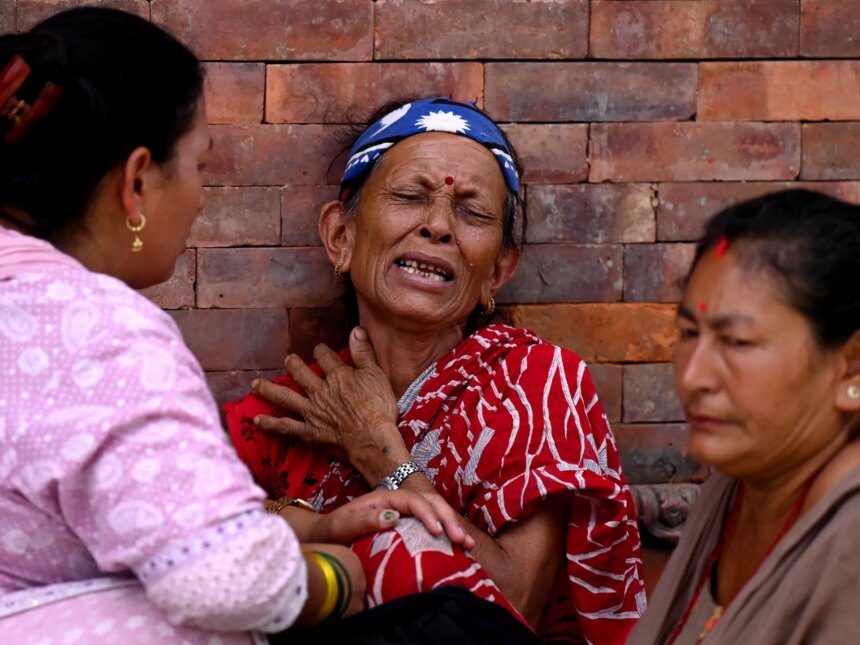
In the wake of a catastrophic flash flood that struck Nepal on August 26, families are holding symbolic funerals for their loved ones who are still missing. With over 1,200 lives claimed and about 4,750 individuals unaccounted for, these ceremonies carry profound emotional weight, enabling families to seek spiritual closure even in the absence of physical remains.
Hindu Rites and Cultural Significance
Cremation holds immense importance in Hindu culture, viewed as an essential rite to ensure the soul’s peaceful passage. In situations where families have lost relatives without recovering their bodies, conducting these symbolic funerals has offered a measure of solace. The emotional and spiritual release gained through these rituals, despite the incomplete nature of closure, highlights the resilience of families grappling with immense loss.
For these families, participating in the ceremonial rites reflects deep-rooted beliefs while simultaneously confronting the psychological torment of loss. Given the context of a swift recovery process, communities have come together, sharing stories and remembering lives lost. This unity in grief is crucial for emotional support during such traumatic times.
Government Response: Managing Recovery and Identification
As authorities grapple with the aftermath, they are taking steps to identify and manage the recovered bodies of victims. Temporary graves are being established for those whose identities remain unknown, while DNA samples, photographs, and other identifying details are being meticulously documented. This systematic approach aims to facilitate the eventual return of remains to the families, bringing a sense of finality to their mourning process.
This effort not only underscores the logistical challenges faced by the Nepalese government but also highlights a critical need for international cooperation in disaster recovery. Nepal sits in a seismically active zone, with disasters frequently impacting its mountainous regions. Enhanced preparedness and response mechanisms could serve as vital lessons for neighboring countries, including India, that face similar natural calamities.
Impact of the Disaster: A Broader Perspective
The August 26 flash flood, which devastated towns, infrastructure, and several hydropower dams, is one of the deadliest disasters in recent history for Nepal. The scale of destruction—more than 1,200 fatalities and thousands still missing—presents a humanitarian crisis that resonates beyond its borders. The geographical and cultural proximity to India highlights shared vulnerabilities, as extreme weather events can easily transcend national borders, affecting both countries simultaneously.
As Nepal navigates this crisis, the Indian government and NGOs have an opportunity to extend aid and support. Solidarity during such times can foster stronger diplomatic relations and initiate collaborative strategies in disaster management and recovery planning.
What This Means
This disaster serves as a stark reminder of the enduring risks posed by natural calamities not just to Nepal, but to the Himalayan region as a whole, including northern India. Given the frequency of monsoon-induced floods in parts of India like Uttarakhand and Himachal Pradesh, there is a pressing need for improved disaster preparedness and response strategies. Moreover, the cultural similarities in how communities cope with loss may offer an avenue for empathetic cooperation in future crises.
Frequently Asked Questions
What caused the flash flood in Nepal?
The flash flood was mainly caused by heavy rainfall that led to massive mud and debris flows, devastating many towns and infrastructure in its path.
How are the families in Nepal coping with the loss?
Families are holding symbolic funerals for their missing relatives, seeking emotional closure and spiritual release, despite not having the physical remains of their loved ones.
What steps is the Nepalese government taking to identify the deceased?
The government is establishing temporary graves for unidentified bodies and is collecting DNA samples along with documenting identifying details, aiming to match remains with missing individuals.
How can Indian citizens help the victims of this disaster?
Individuals in India can contribute through humanitarian aid organizations that are working on the ground in Nepal, supporting recovery efforts and providing relief supplies and assistance.