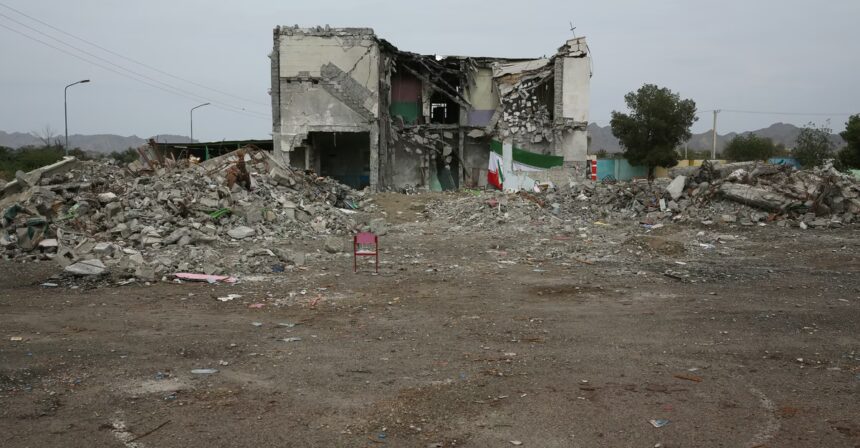

As the Pentagon grapples with the fallout from its recent military actions in Iran, it faces potential changes regarding the protection of civilians in conflict zones. Under Secretary of Defense Pete Hegseth, the Defense Department had previously reduced civilian harm mitigation efforts. However, following a devastating airstrike that led to significant civilian casualties, discussions are underway to restore many of these positions, indicating a potential reevaluation of military strategies.
Understanding the Civilian Casualty Crisis
The recent military campaign against Iran has been marred by controversy, especially following an airstrike in Minab that killed nearly 170 individuals, predominantly children. This targeted strike occurred during the early hours of an on-and-off war, escalating scrutiny over the Pentagon’s operational decisions. Under Hegseth’s leadership, the Defense Department had dramatically cut back on personnel dedicated to examining and minimizing civilian harm, a move that alarmed many within Congress and various advocacy groups.
The Pentagon’s inspector-general subsequently found that these cuts may have violated laws aimed at protecting noncombatants. Advocates for civilian protection are urging the Pentagon to reassess its strategy, as the backlash from domestic and international communities regarding civilian casualties is mounting. Such incidents not only inflict human suffering but can also undermine geopolitical objectives and compromise military effectiveness.
The Shift in Military Leadership’s Perspective
After years of attempts to enhance protections for civilians during military operations, the leadership under Trump and Hegseth marked a stark departure from prior protocols. Hegseth, who gained notoriety for his confrontational stance against military legal frameworks, described troops who upheld stringent engagement rules as “jagoffs.” His dismissive attitude towards “politically correct wars” and the emphasis on aggressive military tactics have led to a significant decline in civilian harm prevention personnel.
During previous operations, especially against the Islamic State, the U.S. military saw the importance of embedding civilian-harm mitigation experts within operational teams. This ensured that military strategies were not just tactically sound but also morally and legally justified. However, the current leadership’s emphasis on dominance over restraint presents risks that could exacerbate anti-American sentiments abroad.
The Role of International Perception in Military Strategy
The importance of public perception in military operations cannot be underestimated. Experts assert that the U.S.’s strategic failures may stem from a failure to acknowledge and address civilian harm promptly. The devastation of the school strike in Minab reinforces the call for a comprehensive reassessment of military rules of engagement.
As Hegseth considers reinstating civilian casualty mitigation roles, his approach and rhetoric will be critical. The international community and local populations may interpret a lack of transparency or acknowledgment of the past as an obstinate attitude, potentially fueling further unrest. The Pentagon must balance the need for effective military engagement with the imperative of ethical considerations in order to maintain legitimacy and effectiveness in its operations.
Why This Is Trending
Indians are increasingly searching for information on U.S.-Iran military dynamics amid concerns over global security and international relations. As India is keen on maintaining stability in its own region, the implications of U.S. military actions reverberate beyond national borders. The recent strike that resulted in numerous civilian deaths has intensified discussions around military ethics, and there are apprehensions regarding how similar operational strategies could affect conflict situations involving India and its neighbors. Furthermore, the Indian public remains vigilant about human rights issues and the ongoing humanitarian crises that arise from military actions globally.
Frequently Asked Questions
What prompted the Pentagon to reconsider civilian casualty mitigation roles?
The reconsideration was primarily influenced by a devastating airstrike in Minab, Iran, which resulted in nearly 170 civilian deaths, sparking outrage and calls for accountability.
What were the cuts to civilian protection staff aimed at?
The cuts were part of a broader initiative under Secretary of Defense Pete Hegseth to eliminate what he viewed as unnecessary constraints on military operations, focusing instead on lethality and battlefield success.
Why is civilian protection important in military operations?
Ensuring civilian safety during military operations is crucial for maintaining international legitimacy, preventing anti-U.S. sentiment, and achieving strategic military objectives over the long term.
What has been the international response to U.S. military actions?
The international community has voiced significant concern regarding U.S. military strategies that result in civilian casualties, fearing that they may escalate tensions and undermine global peace initiatives.