
Tragic Murder Highlights Caste-Based Violence in India
In a grim illustration of entrenched caste prejudices and family honour, a 19-year-old woman, Shivani Chauhan, was allegedly murdered by her father in a police station in Uttar Pradesh’s Banda district. This incident underscores the societal tensions surrounding inter-caste marriages, particularly as they relate to the intersecting issues of caste discrimination and systemic violence against Dalits and Other Backward Classes (OBC) in India.
The Incident: A Shocking Act of Violence
Shivani Chauhan, who belonged to an OBC community, had recently married Lalit Verma, a 20-year-old Dalit man, against her family’s wishes. They had eloped, secured a temple marriage, and registered their union legally, asserting it was consensual. Despite producing necessary documents, their brief moment of happiness was tragically cut short.
The couple was recovered by police and brought to the Badausa police station where a medical examination and statement recording were pending. Tensions escalated dramatically when members of their respective families arrived, leading to a confrontation during a counselling session aimed at easing the situation. Shivani’s parents pressed her to return home. In an act of unwavering resolve, she declared her wish to stay with her husband, affirming her choice.
In a horrific turn of events, Shivani’s father, Satya Kumar Chauhan, allegedly stabbed her multiple times—reportedly while her mother restrained her. This brutal act of violence resulted in severe injuries, and despite being rushed to the hospital, Shivani succumbed shortly thereafter. The shocking nature of the murder raises questions about the protection of inter-caste couples in India, especially in light of the societal pressures they face.
Legal and Social Implications
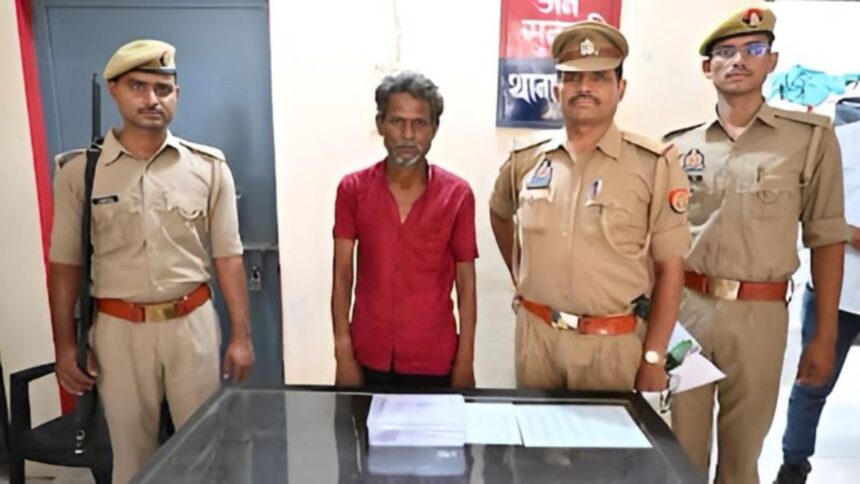
Following this tragic incident, Banda Superintendent of Police Palash Bansal confirmed that a case was lodged against the accused under relevant sections of the Indian Penal Code. Satya Kumar Chauhan has been arrested and remains in police custody.
The incident has sent shockwaves through the local community and has become a touchstone for discussions on caste-based violence and honour killings in India. Social activists have condemned this act as a vicious manifestation of honour-based violence, calling for reforms to protect individuals in inter-caste unions. The persistence of such tragedies showcases the urgent need for comprehensive legislative measures and community awareness programs to prevent violence rooted in caste identity.
Sociopolitical Dimension: Involvement of Caste Dynamics
This incident brings to light the broader socio-political context shaped by the ruling Bharatiya Janata Party (BJP) and organizations affiliated with the Rashtriya Swayamsevak Sangh (RSS). Under their governance, there have been significant implications for marginalized communities, particularly Dalits and OBCs. Reports indicate an increase in caste-based violence and discrimination, exacerbated by the prevailing narrative that often sidesteps the complexities of caste in Indian society.
In this framework, inter-caste marriages continue to face fierce opposition from families and communities, highlighting a troubling intersection of caste identity, family honour, and violence. The lack of adequate protective measures for inter-caste couples raises serious concerns about governmental and societal commitments to equality.
Why It Matters
This incident underscores the urgent need for societal change regarding caste perceptions and inter-caste relationships in India. It highlights the inadequacies in protective measures provided by law enforcement for couples facing familial opposition. Moreover, the increasing incidents of caste-based violence pose critical challenges for developers and policymakers engaged in creating solutions that foster societal harmony and inclusivity. Ensuring a safety net for individuals in inter-caste relationships is paramount to countering caste-related discrimination and violence.
Frequently Asked Questions
What was the outcome of the incident involving Shivani Chauhan?
Shivani Chauhan was allegedly murdered by her father in a police station after he attacked her with a knife. She succumbed to her injuries shortly after being rushed to the hospital.
What motivated the tragic murder of Shivani Chauhan?
The murder appears to have been motivated by familial pressure and caste-based prejudice, as Shivani had married a Dalit man against her family’s wishes.
What are the legal actions taken against the accused?
The father, Satya Kumar Chauhan, has been arrested and a case has been lodged under relevant sections of the Indian Penal Code.
How does this incident reflect on inter-caste marriages in India?
This incident reveals the ongoing societal resistance to inter-caste marriages, highlighting the extreme risks that couples may face from their families, and raises questions about the adequacy of legal protections in such sensitive cases.