
Summary of Recent Arrest of T G Mohandas
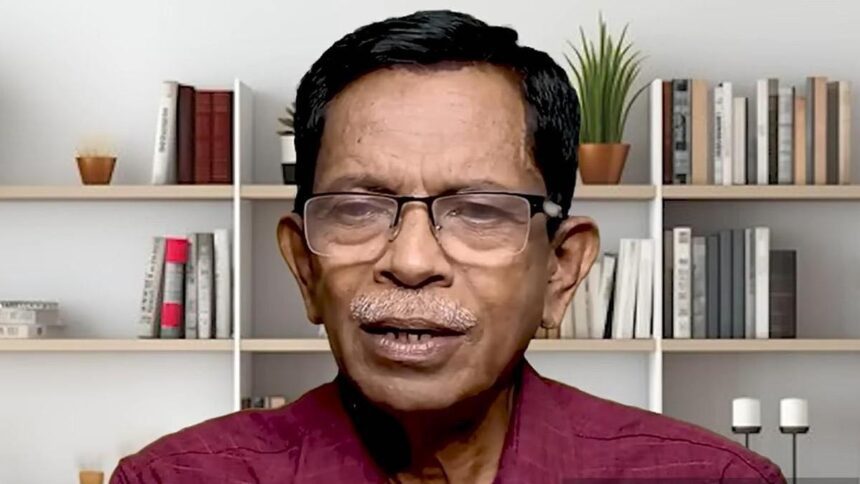
Right-wing political commentator T G Mohandas was arrested on August 9 for remarks made in a YouTube video related to a students’ protest in New Delhi over the NEET exam paper leak. His detention has sparked political controversy, with accusations of discrimination and political deflection against the Kerala government from the BJP.
Details of the Arrest
T G Mohandas was taken into custody at his residence in Mattancherry by a team from the Thiruvananthapuram Cyber Police Station, accompanied by local officials. The police claimed that Mohandas’ videos, posted on July 24 and 25, were designed to incite unrest and disturb public peace, particularly concerning the protests that occurred at Jantar Mantar in New Delhi. This incident showcases the ongoing scrutiny and control over free speech, especially in situations connected to student protests, a vital component of democratic engagement.
Political Backlash and Discrimination Accusations
The BJP has labeled Mohandas’ arrest as “discriminatory,” suggesting that Kerala’s Left Democratic Front (LDF) government is aiming to divert attention from its own shortcomings related to flood relief operations and coastal protests. BJP state general secretary S Suresh criticized the timing of the arrest, particularly since it occurred on a holiday, and pointed out what he sees as a lack of action against others who have made threats against prominent leaders like Prime Minister Narendra Modi. His statement highlights an ongoing pattern of perceived bias in state responses to political dissent.
Concerns Over Delayed Action and Political Critique
Initially, there were questions regarding the delay in filing a case against Mohandas, and the subsequent inertia in arresting him after the FIR was lodged. Home Minister Ramesh Chennithala defended the police’s cautious approach, emphasizing the need for thorough investigations before any arrests. In response to this delay, AICC general secretary K C Venugopal criticized the actions of right-wing groups, framing their statements as attempts to undermine public order, while asserting confidence in the capabilities of the Kerala Police to manage such tensions. This rhetoric indicates a deepening divide in political discourse in India.
Why It Matters
The arrest of T G Mohandas serves as a crucial example of the challenges associated with freedom of speech in India, particularly under the current political climate influenced by the BJP and associated groups. The event underscores the tensions between government authority and individual political expression, especially regarding dissenting voices in critical social issues. For a global audience, it illustrates the complexities faced by marginalized communities, including Indian Muslims, who find themselves navigating a landscape permeated by economic, social, and political factors. The implications for artificial intelligence, particularly in monitoring content and freedom of expression, are profound as governments increasingly employ technology to manage societal narratives.
Frequently Asked Questions
What were the specific remarks made by T G Mohandas?
The remarks made by T G Mohandas, which led to his arrest, were related to a protest concerning the NEET exam paper leak in New Delhi, although specific quotes from the video were not detailed in the reports.
What does NEET stand for and why is it significant?
NEET stands for the National Eligibility cum Entrance Test, an important examination in India for students seeking admission to medical courses. The controversy over its paper leak highlights significant issues related to educational governance and fairness in examination processes.
How did the political parties react to Mohandas’ arrest?
The BJP condemned the arrest as discriminatory and politically motivated, while the LDF criticized the initial delay in prosecuting Mohandas, indicating ongoing bipartisan tensions over how dissent is managed in India.
What broader issues does this incident highlight in Indian society?
The arrest of Mohandas highlights broader issues of free speech, political dissent, and social exclusion in Indian society, particularly affecting marginalized communities amid rising nationalist sentiments.