
AhlulBayt News Agency (ABNA): Recent incidents in the UK involving far-right activists targeting Islamic institutions have raised significant concerns among British Muslim communities about rising Islamophobia. These events highlight not only fears for safety but also the ongoing marginalization of Muslims in British society, as they are increasingly seen as targets for far-right groups pushing anti-Islam sentiment.
The Incidents and Their Impact
On July 30, tensions escalated when activists from Britain First disrupted an Islamic Sharia council in East London. The group’s members entered the council’s offices, filming the premises and creating an intimidating atmosphere. Khawla Hassan, the director of the council, expressed her shock and fear during the incident, recognizing that her institution is intended for civil matters like family mediation and inheritance—not a parallel legal system as claimed by the activists.
Following the Sharia council incident, the same activists proceeded to a halal meat slaughterhouse in Romford. Their aggressive stance included disparaging remarks about the Islamic method of slaughter, labeling it as brutal. This aggression indicates a broader far-right strategy aimed at vilifying Muslim practices and communities in the UK.
Responses from the Muslim Community
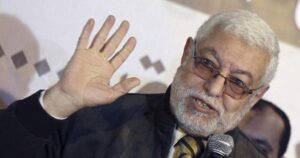
In the aftermath, British Muslim leaders have spoken out against these acts. Mustafa Dabbagh, the Deputy Secretary-General of the Muslim Council of Britain, decried the portrayal of Sharia councils, asserting that they merely help resolve civil disputes within the Muslim community. He emphasized that the far-right narrative constitutes a distortion of reality and fosters a climate of fear and division.
He further criticized the government’s inaction, calling for genuine engagement with Muslim communities through established institutions rather than ignoring their needs. Dabbagh’s remarks underscore a growing frustration over the lack of security measures for mosques, with some institutions reportedly waiting for over two years for promised protection.
The Political Landscape and Call for Action
UK parliamentarian Afzal Khan echoed these sentiments, urging the government to take more serious measures against Islamophobia. He proposed appointing an official to monitor hate crimes and to improve reporting mechanisms for incidents targeting Muslims. The UK Home Office’s data indicates that Muslims represent approximately 45% of recorded victims of religious hate crimes, suggesting a disproportionately high level of vulnerability in these communities.
Khan’s call for engagement with the Muslim Council of Britain, which represents more than 600 affiliated organizations, reflects the need for a more inclusive approach to addressing the fears and concerns of the Muslim population. Such measures are increasingly urgent in the context of a rising tide of anti-Muslim sentiment, as evidenced by recent attacks and threats.
Why It Matters
The incidents surrounding the Sharia council and halal slaughterhouse are reflective of broader societal issues regarding the treatment of minorities, particularly Muslims, in the UK. The normalization of Islamophobia and the targeting of Islamic institutions have damaging implications for social cohesion. As the far-right gains traction, understanding the nature of these attacks is crucial for policymakers and community leaders alike. Addressing these issues is not just about protecting religious freedoms but also about ensuring harmony in a multicultural society.
Frequently Asked Questions
What is the role of Sharia councils in the UK?
Sharia councils in the UK provide mediation and advice on civil matters related to family law, divorce, and inheritance for Muslims, and are not parallel legal systems as some critics claim.
What actions have been taken against Islamophobia in the UK?
There have been calls from various Muslim leaders and parliamentarians for enhanced measures to combat Islamophobia, including better monitoring of hate crimes and increased government engagement with Muslim communities.
What percentage of religious hate crime victims in the UK are Muslims?
According to the UK Home Office, Muslims accounted for about 45% of recorded victims of religious hate crimes between March 2024 and March 2025.
What are the implications of rising Islamophobia for society in the UK?
Rising Islamophobia poses significant threats to social cohesion, fostering divisions and fear among minority communities while challenging the principles of tolerance and mutual respect in a multicultural society.