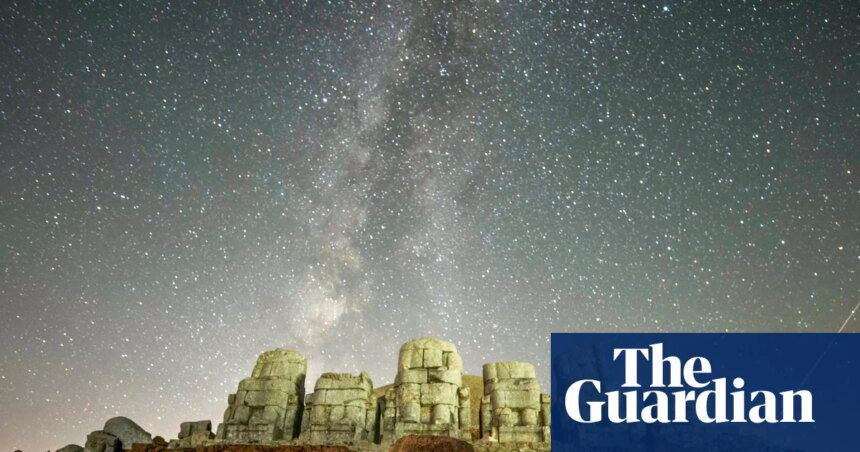

The Perseid meteor shower is set to peak from Wednesday night to Thursday morning, offering a dazzling display of meteors across the northern hemisphere. This year’s viewing conditions are particularly favorable due to a new moon, with the potential to see between 30 to 100 meteors per hour.
Understanding the Perseid Meteor Shower
The Perseid meteor shower occurs every summer as Earth traverses the debris trail of comet 109P/Swift-Tuttle, an icy celestial body that orbits the sun every 133 years. This meteor shower is renowned not just for its frequency, but also for the brilliance of the meteors, which often manifest as magnificent fireballs. Observations of the Perseids date back over 2,000 years, making it one of the oldest recorded meteor showers.
Optimal Viewing Conditions
Ideal viewing conditions for the Perseids will coincide with a new moon phase, minimizing moonlight and maximizing meteor visibility. With a range of 30 to 100 meteors potentially visible per hour under perfect conditions, the best time to watch will be between midnight and dawn, when the constellation Perseus lies high in the northern sky. Astronomers suggest finding a dark location away from city lights and allowing your eyes about 30 minutes to adjust to the darkness for the best experience.
Expert Tips for Stargazers
Astronomers like Zach Vanderbosch emphasize the enjoyment of viewing meteors in warm summer nights rather than enduring cold winter evenings. He suggests focusing on a patch of sky and minimizing distractions, such as looking at your phone, which can disrupt your night vision. Venkatesan, another expert, advises stargazers to prepare for a magical experience, as even brief glimpses of meteors in your peripheral vision can make the stargazing worthwhile.
Why This Is Trending
Interest in the Perseid meteor shower is peaking in India for several reasons. A growing number of astronomy enthusiasts are eager to witness this spectacular event, especially given the favorable viewing conditions this year. Social media platforms are flooded with posts and discussions about the shower, elevating public interest. Moreover, many families and individuals are seeking engaging outdoor activities, making this celestial event particularly appealing in a time when outdoor excursions are highly valued.
Frequently Asked Questions
1. When is the best time to view the Perseid meteor shower?
The best viewing time is between midnight and dawn, specifically when the constellation Perseus is high in the sky during the peak, which falls on Wednesday night into Thursday morning.
2. What conditions are best for viewing?
Clear, dark skies away from city lights are ideal. This year’s new moon phase means there’s less moonlight interfering with visibility, substantially increasing your chances of seeing more meteors.
3. How many meteors can I expect to see?
Under perfect conditions, you could see between 30 to 100 meteors per hour. However, in rural areas of the US, the estimate is around 30 to 50 meteors per hour.
4. Do I need any special equipment to see the meteors?
No special equipment is needed; simply find a dark place, lie back, and look up at the sky. Just ensure to allow your eyes to adjust to the darkness for at least half an hour to enhance visibility.