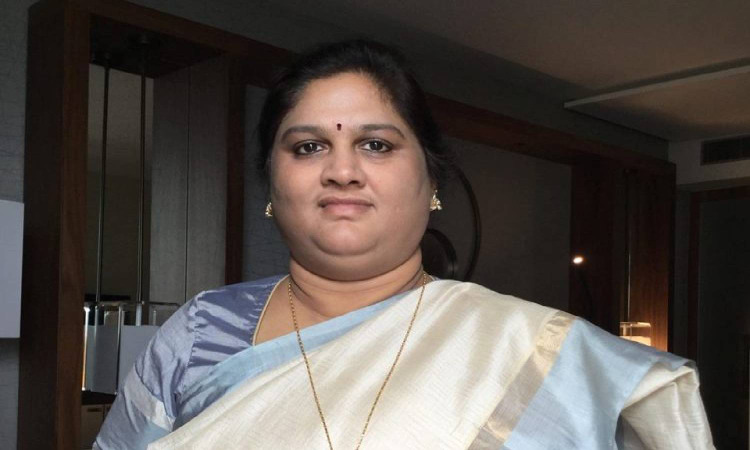

Geeta Kothapalli, a former MP from Araku, has ignited controversy following her offensive remarks targeting a Muslim Twitter user, Mohammad Zubair, after he shared an affidavit linking her to her husband. Kothapalli’s remarks not only question Zubair’s religion but also reaffirm her ongoing scrutiny towards climate activist Disha Ravi.
Context of the Controversy
The controversy began when Mohammad Zubair tweeted an affidavit that included the name of Geeta Kothapalli’s husband, Kothapalli Jacob. In response, Kothapalli made derogatory comments aimed at Zubair’s religious background, labeling him as a “madrasa-educated chap.” Such remarks indicate a troubling trend among some political figures in India to invoke religious identity in public discourse, fostering divisions rather than dialogue.
Prior to this incident, Kothapalli had already garnered attention by questioning the religious identity of Disha Ravi, claiming her full name, “Disha Ravi Joseph,” suggests that she is Christian. However, this assertion was refuted by fact-checkers, including Zubair, which demonstrates Kothapalli’s reliance on assumptions rather than substantiated claims in her political rhetoric.
Legal Troubles Surrounding Kothapalli
In addition to her controversial public comments, Kothapalli faces legal challenges. Reports suggest that the Central Bureau of Investigation (CBI) has filed charges against her for involvement in a criminal conspiracy related to the Punjab National Bank (PNB) fraud case, leading to a loss of approximately ₹42.79 crore. The charges include criminal conspiracy, cheating, forgery, and misuse of public office, which paint a troubling picture of her political career.
The political implications of these allegations are significant, as they come amid high-profile discussions about corruption within various political parties in India. Netizens have pointed out Kothapalli’s purported manipulation of caste certificates to benefit politically, claiming she hails from a Christian Dalit background while allegedly possessing fraudulently obtained privileges.
Online Backlash and Political Implications
The uproar following Kothapalli’s remarks has drawn widespread criticism across social media platforms. Many users are calling attention to her contentious statements, with some labeling her a “saint” since joining the Bharatiya Janata Party (BJP). This backlash highlights the increasing role of social media in shaping public opinion and providing a platform for accountability, especially concerning politicians’ behavior and statements.
Furthermore, these events showcase a larger struggle within Indian politics, where issues of identity, caste, and corruption intersect, leading to a polarized atmosphere. Kothapalli’s case thus serves as a critical example of the complex interplay between personal conduct and public perception in the political arena.
Why This Matters
The incident underscores the challenges facing Indian democracy where divisive rhetoric often takes precedence over constructive dialogue. In a country with diverse religious and cultural identities, comments that incite division can have far-reaching consequences, potentially destabilizing social harmony. Kothapalli’s behavior may reflect a broader trend within certain political circles that seek to exploit communal identities for electoral gains, a factor that Indian voters must critically evaluate moving forward.
Frequently Asked Questions
What was Geeta Kothapalli’s controversial remark about?
Geeta Kothapalli made offensive remarks targeting Twitter user Mohammad Zubair, specifically questioning his religion after he shared an affidavit linking her to her husband.
What charges are being brought against Geeta Kothapalli?
Kothapalli faces charges filed by the CBI for her alleged involvement in a criminal conspiracy related to a banking fraud case, causing a significant financial loss to Punjab National Bank.
What have netizens said about Kothapalli’s remarks?
Many netizens have criticized Kothapalli’s remarks, highlighting her use of religious identity in political discourse, and have pointed out her legal troubles and allegations of using fraudulent caste certificates.
How does this incident reflect on Indian politics?
This incident illustrates the divisive nature of current political rhetoric in India, where communal identities are often leveraged for political gain, raising concerns about social harmony and accountability among politicians.