
In a critical update on climate change, the ongoing El Niño phenomenon is setting unprecedented temperature records in the Pacific Ocean, leading to severe repercussions for global weather patterns and marine ecosystems. Scientists highlight alarming trends, noting that heat levels could intensify further, impacting regions already struggling with climate-related crises.
The Rising Temperature of Niño 3.4
El Niño, a complex weather pattern, is currently manifesting in the Niño 3.4 region, a vast area in the equatorial Pacific monitored for temperature anomalies. Right now, water temperatures in this critical zone have soared to levels not seen historically, exceeding normal averages by 3 to 4 degrees Celsius. This shift could mark the advent of one of the strongest El Niños ever recorded.
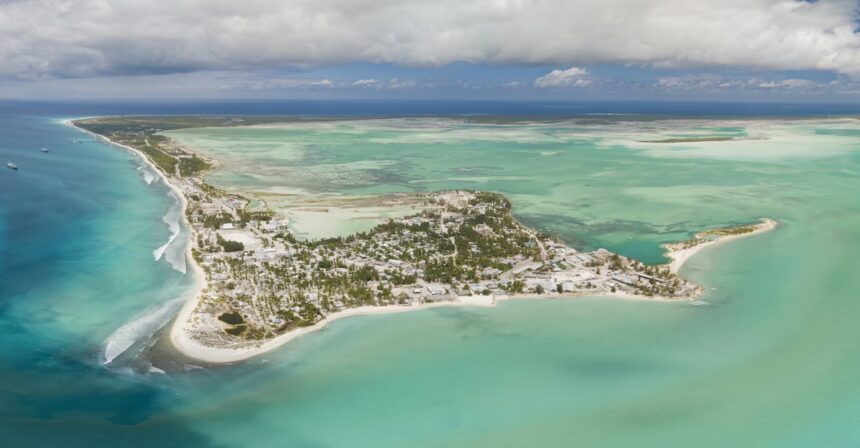
Kritina Tietjen, a coral reef researcher who has been studying the effects of these temperature spikes, reported severe bleaching events at Kiritimati, the world’s largest atoll. Scientists found that nearly half of the coral reefs are already affected. The implications of these temperature changes would be dire not just for marine life but also for coastal communities dependent on these ecosystems.
Global Ripple Effects
The ramifications of El Niño extend beyond marine habitats. This climatic event has repercussions for agriculture and human livelihoods worldwide. For instance, countries like India and Ethiopia are facing some of their driest summers on record, while others, such as those along the Pacific Coast of South America, are grappling with devastating floods and landslides.
Additionally, the warm waters displace cold ocean currents critical for marine biodiversity. This has led to noticeable declines in fish stocks, particularly anchovies, which impacts local fisheries—an essential economic driver in regions like Peru. In fact, Peru has recently suspended its anchovy fishery, accounting for a crucial economic engine for many communities.
The Challenge of Climate Change
As the effects of El Niño intensify, scientists are increasingly concerned about the long-term impacts on marine ecosystems and biodiversity. Research indicates that the ocean is gradually warming due to climate change, which exacerbates the situation during El Niño years. In a report by Europe’s Copernicus Climate Change Service, the daily global average sea-surface temperature recently peaked at 21.1 degrees Celsius.
Experts like Malte Stuecker from the International Pacific Research Center assert that the existing warmth in the oceans is unlike anything recorded in the past 80 years. The changes in marine life and ecosystem degradation could be irreversible if such temperature spikes continue unabated. This has urgent implications for global food security and environmental stability.
Why This Is Trending
Indians are increasingly searching for information on the impacts of El Niño as the country gears up for a potentially harsher monsoon season. This year’s unusual weather patterns have raised concerns about flooding and drought in different regions. Furthermore, the agricultural sector is particularly sensitive to these climate changes, making it a pressing topic of discussion among farmers and policymakers alike. As India navigates food security challenges, understanding the dynamics of El Niño becomes paramount for effective planning.
Frequently Asked Questions
What is El Niño and how does it affect India?
El Niño is a periodic climatic phenomenon characterized by the warming of ocean waters in the central and eastern Pacific, leading to significant changes in global weather patterns. In India, it can result in erratic monsoon rains, causing either floods or droughts, impacting agriculture dramatically.
Is the current El Niño event the strongest ever?
Current projections suggest that this El Niño could be among the strongest ever recorded, with temperatures in the Niño 3.4 region already exceeding expected levels significantly, raising concerns about various weather anomalies globally.
How does El Niño affect marine life?
The warming waters associated with El Niño can trigger coral bleaching and disrupt fish populations that are critical for both biodiversity and human consumption. The displacement of nutrient-rich cold waters affects breeding grounds, severely impacting marine ecosystems.
What measures can be taken to mitigate the effects of El Niño?
To mitigate the impacts of El Niño, governments and organizations can invest in climate-resilient agricultural practices, develop better forecasting systems for weather variations, and promote water conservation strategies to enhance resilience among communities prone to climate-related disruptions.