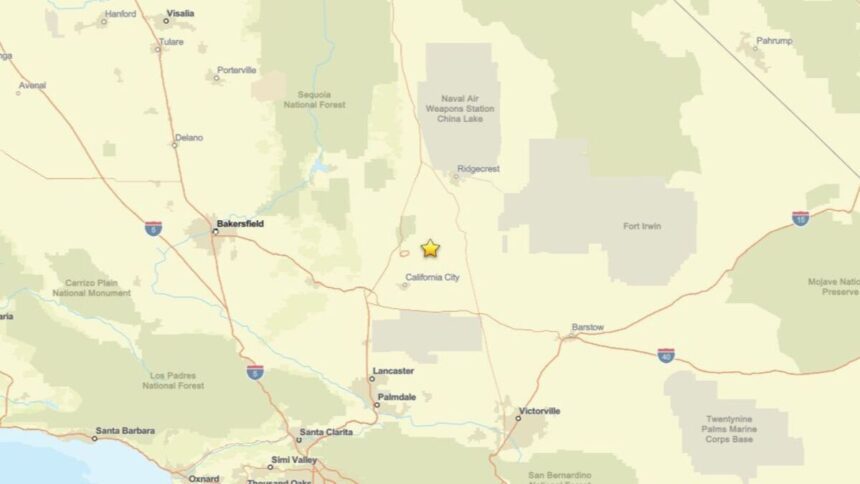

KERN COUNTY, CA, has recently experienced a 2.8 magnitude earthquake near Johannesburg, with numerous tremors occurring in the region over the past week. This seismic activity has prompted discussions about earthquake preparedness and the implications for regions prone to such natural occurrences.
Understanding the Recent Earthquake Activity
The U.S. Geological Survey reported that the tremor struck at 10:32 PM on a recent Tuesday night, approximately 11 miles west-southwest of Johannesburg and at a depth of 5 miles. This quake follows a series of smaller tremors, elevating concerns in the area about potential aftershocks and increased seismic activity.
In the past week alone, five tremors of magnitude 2.5 or higher have been recorded in Kern County, with the most significant tremor being a 3.5 magnitude quake on June 17. Such activity raises awareness about the need for vigilance in earthquake-prone regions.
Impact and Reactions from the Community
Residents in the affected areas were encouraged to report their experiences via the USGS Felt Report form. The importance of community response to seismic events cannot be overstated, as it aids scientists in monitoring and understanding earthquake patterns.
Local officials have emphasized the need for citizens to be aware of earthquake safety protocols, especially given that quakes of magnitude 2.5 to 5.4 are often felt yet rarely result in significant damage. Ongoing education about seismic risks is crucial for community safety.
Preparedness: What You Need to Know
Understanding the nature of earthquakes can significantly impact safety outcomes. The U.S. Geological Survey has shifted away from the older Richter scale to a magnitude measurement that better describes the energy released during an earthquake.
Residents are encouraged to familiarize themselves with best practices for safety during an earthquake. Key recommendations from experts include pulling over while driving, covering your head with a pillow if in bed, and finding sturdy shelter indoors. The phrase “Drop, Cover, and Hold On” serves as a core guideline for personal safety during seismic events.
Why This Is Trending
Given India’s susceptibility to seismic events, the recent earthquakes in California resonate with citizens interested in disaster preparedness. With media coverage highlighting past earthquakes in India and potential future ones, many Indians are actively seeking information on safety practices and community responses to earthquakes.
The growing number of seismic incidents worldwide, especially as climate change impacts geological stability, plays into public interest. As urban populations increase in areas at risk, understanding and mitigating these risks becomes paramount for personal and community safety.
Frequently Asked Questions
What should I do immediately during an earthquake?
If you’re indoors, stay inside, drop to your hands and knees, cover your head and neck, and hold on until the shaking stops. If outdoors, move away from buildings, and if you’re in a vehicle, pull over and stop.
How frequent are earthquakes globally?
An estimated 500,000 detectable earthquakes occur each year worldwide. Out of these, approximately 100,000 can be felt, and around 100 typically cause damage.
What are the most common causes of damage after an earthquake?
Common hazards include damaged buildings, leaking gas lines, downed power lines, fires, and aftershocks. Residents are advised to remain cautious and prepared for secondary effects following an initial quake.
How can I prepare my family for an earthquake?
Families should create an emergency plan, practice earthquake drills, prepare a disaster supply kit, and stay informed about local emergency resources. Understanding safe spots within your home can further enhance preparedness.
Source: The U.S. Geological Survey