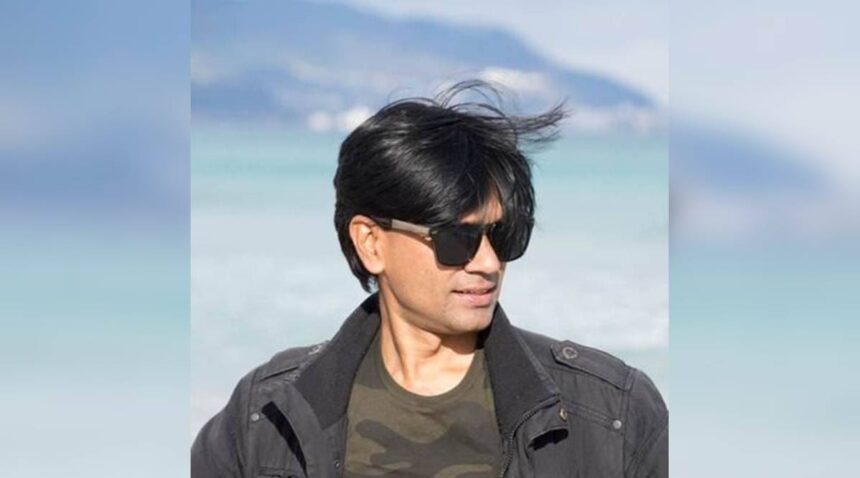

The recent arrest of Mohammed Zubair, co-founder of the fact-checking website Alt News, by the Intelligence Fusion and Strategic Operations (IFSO) unit of the Delhi Police has ignited debates around political dissent and freedom of expression in India. The police have cited the arrest as part of a broader crackdown aimed at preventing cyber crimes and communal disharmony, raising questions about the boundaries of free speech and governmental authority.
Background of the IFSO Unit
The IFSO unit, a specialized section of the Delhi Police’s Special Cell, has been increasingly active in addressing cyber crimes and online abuse. Headed by Deputy Commissioner of Police KPS Malhotra, the unit has the authority to investigate cases concerning communal tension and public order. It was renamed from CyPAD (Cyber Prevention Awareness Detection) in 2021, gaining an additional mandate to oversee national and economic security. This evolution reflects a growing emphasis on policing social media activity, particularly concerning political discourse and communal sentiments.
Recent Developments and Arrests
The arrest of Zubair on June 27, 2022, stems from a tweet posted in 2018 that allegedly targeted religious sentiments. The IFSO stated that it acted on a complaint regarding this tweet, which it claimed was part of a larger pattern of inflammatory content online. This move follows a trend in which various political activists and commentators have faced legal repercussions for their online activities.
In the past year, the IFSO has made several high-profile arrests, including that of climate activist Disha Ravi, who was implicated in a ‘toolkit’ related to the farmers’ protest. Ravi’s arrest prompted widespread criticism and discussions about governmental overreach in stifling dissent. Another notable case involved an app that illegally shared images of Muslim women, leading to several arrests and highlighting the increasing scrutiny of online harassment and exploitation.
Legal and Social Implications
The implications of Zubair’s arrest raise crucial questions about freedom of speech and the role of law enforcement in moderating online discussions. Critics argue that such actions could create a chilling effect on journalism and activism, pushing individuals to self-censor due to fear of retribution. While the IFSO contends that these measures are necessary for maintaining public order, opponents maintain that they undermine democratic principles and the right to free expression.
As the Delhi Police enhance their efforts to combat alleged online offenses, the public’s response remains divided. Supporters of the police argue that it is essential to curb hate speech and online incitement, especially in a multi-religious society. Detractors emphasize the necessity of protecting dissenting voices and preventing the harassment of journalists and activists working toward accountability and transparency.
Why This Matters
The political climate in India is increasingly sensitive, particularly around issues of free speech and social media regulation. The arrests of prominent figures under the pretext of preventing communal discord and cyber crimes reflect the tensions between state authority and civil liberties. For many Indian citizens, these events underscore the precarious balance between ensuring security and preserving democratic freedoms. As political dissenters face greater scrutiny, the implications for India’s democratic framework will be critical to monitor in the coming years.
Frequently Asked Questions
What charges were brought against Mohammed Zubair?
Mohammed Zubair was arrested under allegations of hurting religious sentiments through a tweet he made in 2018, following a complaint filed by a Twitter user.
What is the role of the IFSO unit?
The IFSO unit is responsible for investigating cyber crimes, online abuse, and matters pertaining to communal harmony in Delhi. It was established to monitor and act against activities that could threaten public tranquility.
How does Zubair’s arrest relate to freedom of speech in India?
The arrest has sparked debates about the boundaries of free expression in India, raising concerns that such actions could deter journalists and activists from openly expressing dissenting opinions.
What have been some previous high-profile cases handled by the IFSO unit?
In addition to Mohammed Zubair, the IFSO unit arrested climate activist Disha Ravi and has investigated several cases involving the online harassment of women, illustrating its active role in managing online discourse.