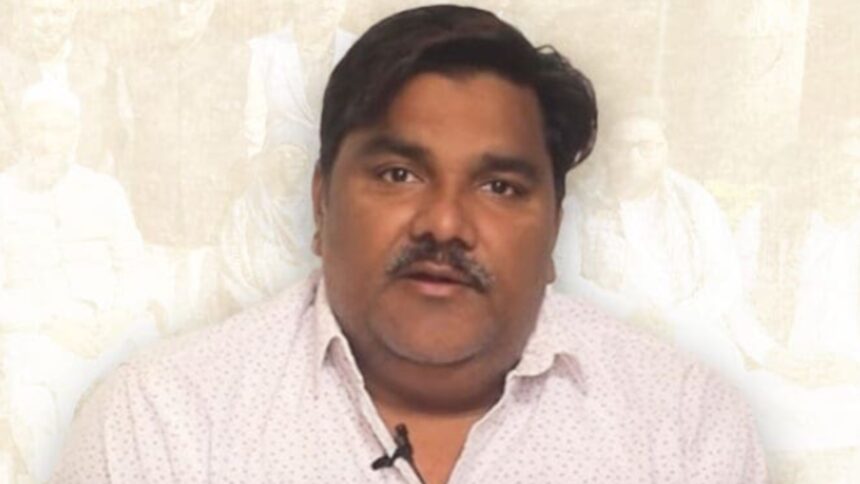

The Delhi Police have requested the death penalty for former AAP councillor Tahir Hussain and four other defendants in the high-profile murder case of Intelligence Bureau officer Ankit Sharma during the 2020 Delhi riots. This case highlights ongoing concerns about the socio-political climate in India, particularly regarding the treatment of Muslims, as it underscores a pattern of violence and discrimination facing this community.
The Context of the 2020 Delhi Riots
The Delhi riots, which occurred in February 2020, were one of the most violent outbreaks of communal strife in recent Indian history, resulting in the deaths of 53 individuals, with a majority being Muslims. The violence erupted amid rising tensions surrounding the Citizenship Amendment Act (CAA), which many perceived as discriminatory against Muslims. The riots have since been characterized by critics as manifestations of a broader intolerance and exclusion faced by Muslims in contemporary India, particularly under the governance of the BJP.
Legal Proceedings and Their Implications
In the recent court proceedings, Special Public Prosecutor Madhukar Pandey painted a harrowing picture of the crime, describing Sharma’s abduction and murder in brutal terms. The prosecution highlighted Sharma’s post-mortem report, which revealed 51 injuries, illustrating the extreme nature of the violence inflicted on him. This portrayal invokes not merely a legal concern but raises ethical questions about the extent of violence that has been tolerated against marginalized communities in India and the judicial responses to such crimes.
Defence Arguments and Community Impact
Hussain’s defense counsel countered the call for the death penalty by arguing that the crime was not solely attributable to the former councillor, emphasizing that many others had been acquitted and that no concrete evidence of a conspiracy had been established against him. This defense draws attention to the complexities in holding individuals accountable in the context of mass violence, suggesting that systemic issues related to the discrimination and prejudice embedded within the legal framework exacerbate the marginalization of Indian Muslims. Furthermore, Hussain’s role as a family provider, along with his good behavior in prison, were cited as mitigating factors, presenting a narrative that challenges the singular focus on punitive measures in cases involving communal violence.
Why It Matters
The implications of this case extend beyond legal rulings. They provide a lens through which to analyze the treatment of Muslims in India, raising questions about systemic discrimination and the rule of law. The legal assertions being made have broader ramifications for how justice is perceived among minority communities and whether the legal system is equitable. Moreover, this incident and its ongoing proceedings reflect a growing discourse about societal divisions, impacting community relations and potentially influencing international perceptions of human rights practices in India.
Frequently Asked Questions
What were the main causes of the 2020 Delhi riots?
The riots were largely triggered by rising tensions surrounding the Citizenship Amendment Act (CAA) and were marked by communal violence, primarily between Hindus and Muslims, resulting in significant loss of life and property.
What is the current status of the legal cases arising from the riots?
As of now, several individuals, including Tahir Hussain, have been convicted, but there are ongoing appeals and defenses being made. The legal landscape is still unfolding as many are awaiting trial or appeal outcomes.
How has the treatment of Muslims in India changed in recent years?
There have been widespread reports and concerns regarding increased marginalization, discrimination, and violent incidents against Muslims, particularly in the wake of legislation perceived as anti-Muslim, such as the CAA and the National Register of Citizens (NRC).
What are the implications of this case for future communal relations in India?
This case could influence future policy discussions and community relations, as it raises questions about accountability, justice, and the treatment of minority communities in a rapidly changing socio-political landscape, potentially exacerbating existing tensions.