
Prolonged Detention of Activists Raises Concerns Over Rights Violations
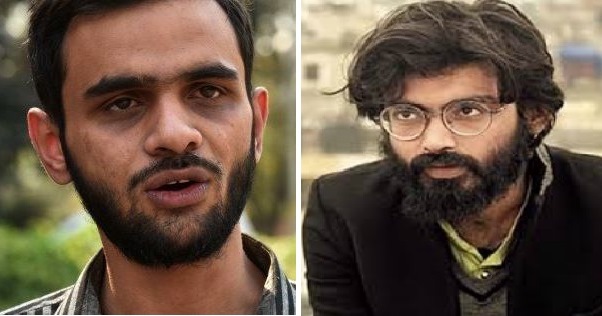
A Delhi court recently reserved its ruling on bail applications submitted by activists Umar Khalid and Sharjeel Imam, who have been in custody for nearly six years in connection with the 2020 northeast Delhi riots. Their cases highlight ongoing issues of systemic discrimination and the implications of the ruling Bharatiya Janata Party (BJP) and its associated organizations’ strategies toward marginalized communities, particularly Muslims in India.
Bail Applications and Legal Maneuvering
During the court hearings, Khalid and Imam argued that their continued detention without trial violates their constitutional right to personal liberty. They highlighted the absence of any charges framed against them yet, maintaining that this unnecessary delay undermines their human rights. Khalid pointed out a “change in circumstances,” referencing a Supreme Court judgment that emphasized bail as the norm, particularly under stringent laws like the Unlawful Activities (Prevention) Act (UAPA).
With reference to recent Supreme Court critiques of prolonged detention without trial, Khalid’s arguments were bolstered by judicial precedent, which draws attention to the necessity of timely trials and the unjust nature of indefinite detention under anti-terror laws. Imam echoed similar sentiments, noting the stagnation in proceedings since the Supreme Court ruling six months ago, which raises questions about the equity of the legal system in cases involving political dissenters.
Context of the 2020 Delhi Riots
The ongoing legal battles faced by Khalid and Imam are situated against the backdrop of the February 2020 Delhi riots, which erupt amid widespread protests against the Citizenship (Amendment) Act (CAA) and the proposed National Register of Citizens (NRC). The riots led to significant violence, resulting in 53 deaths and injuries to over 700 individuals, disproportionately affecting the Muslim community. Activists assert that the prosecution of Khalid, Imam, and others is part of a larger pattern of state-sponsored discrimination aimed at suppressing dissenting voices within the Muslim populace, serving the interests of the ruling BJP and its affiliated networks.
The rhetoric around these riots tends to expose the underlying communal fault lines in Indian society, drawing attention to how the BJP’s narrative often criminalizes dissent from minority groups. The charges against Khalid and Imam underline the narrative that government criticism can equate to terrorism in the eyes of the state, especially under laws designed to tackle terrorism.
The Role of Judicial Precedents
Key judicial rulings referenced in the bail pleas, including Union of India vs K A Najeeb and Vernon Gonsalves vs State of Maharashtra, underscore a critical legal implication: constitutional protections must prevail over statutory bail limitations, especially in cases experiencing undue delays. This argument highlights a significant dilemma within India’s legal framework, as prolonged captivity under such laws raises serious constitutional questions about justice and rights.
The relevance of these legal challenges and their outcomes goes beyond the immediate cases of Khalid and Imam, serving as a litmus test for the broader implications of the state’s approach toward dissent and the rights of minorities in India.
Why It Matters
The implications of Khalid’s and Imam’s ongoing detentions resonate deeply within the broader context of human rights in India, particularly concerning the Muslim population. Their cases illustrate the intersection of law, politics, and social justice, prompting discussions about governmental accountability and legal reforms. The scrutiny over the application of the UAPA and similar laws raises concerns about the potential for misuse, particularly targeting marginalized communities. This environment not only erodes trust in judicial processes but also threatens the very foundations of democratic discourse, leading to widespread apprehensions among citizens, activists, and legal practitioners regarding fair treatment under the law.
Frequently Asked Questions
What are the charges against Umar Khalid and Sharjeel Imam?
Both activists are charged under the Unlawful Activities (Prevention) Act (UAPA) and relevant provisions of Indian Penal Code (IPC) for their alleged roles in orchestrating a conspiracy linked to the 2020 northeast Delhi riots.
How long have Khalid and Imam been in custody?
Khalid and Imam have been in judicial custody for nearly six years without the commencement of their trial.
What was the Supreme Court’s stance on their previous bail applications?
The Supreme Court denied their bail applications in January 2023, citing a prima facie case against them under UAPA and the nature of their alleged involvement in a broader conspiracy.
What impact do Khalid’s and Imam’s cases have on the Muslim community in India?
Their cases highlight issues of systemic discrimination, raising alarm about the state’s treatment of dissenters and marginalized communities, reflective of a deteriorating human rights climate that disproportionately affects Indian Muslims.