
With each boundary struck on the IPL grounds, another parallel score increases outside the field. Indian cricketers have traditionally been featured as brand ambassadors on billboards. However, they are now increasingly investing in startups, spanning sectors such as gaming, smart-home technology, medical tourism, and sports-tech platforms.
Prominent cricket figures, including Sachin Tendulkar, MS Dhoni, Virat Kohli, KL Rahul, and Jasprit Bumrah, are progressively expanding their investment portfolios alongside their playing careers. Market intelligence platform Tracxn reports that funding for cricketer-backed startups reached a peak of $267.1 million in 2021, with cumulative funding surpassing $338.5 million.
The appeal of sports stars extends beyond visibility; they are valued for their credibility, strategic access, and long-term brand associations, as noted by startup founders and investors.
An example is The Medical Travel Company (TMTC), which counts English cricketers Ben Stokes and Jofra Archer, along with KL Rahul from India, among its investors. TMTC recently secured $4.5 million in seed funding and collaborates with hospital chains like Apollo, Max Healthcare, Medanta, and Fortis to facilitate medical travel between the UK and India.
“Healthcare is a very high-trust business. Trust is particularly critical when creating a brand-new market,” explains Ankit Mehrotra, co-founder of TMTC. “The involvement of globally recognized athletes enhances our credibility with consumers, hospitals, and institutions like the NHS in the UK. Their presence on our cap table changes the narrative and signals trust,” he adds, noting that many international players are familiar with the Indian healthcare landscape due to their extended stays during IPL seasons.
Founders report that partnerships with cricketers are moving beyond conventional marketing deals. Gaming startup LightFury Games, backed by Jasprit Bumrah, is developing eCricket, a hyper-realistic cricket game utilizing Unreal Engine 5, featuring over 600 licensed players. “Brand visibility is one outcome of our partnerships, but the more significant contribution lies in the credibility and trust these associations foster across stakeholders,” states Karan Shroff, co-founder and CEO of LightFury Games.
While celebrity investors don’t typically engage in daily operations, they provide insights during strategic discussions and product development. For Bumrah, the startup’s emphasis on authenticity and meticulous detail was compelling. “Cricket is all about fine margins, and that’s what I appreciate about eCricket,” he says. “I’m pleased to support a team that is thoughtfully developing something with deep roots in cricket.”
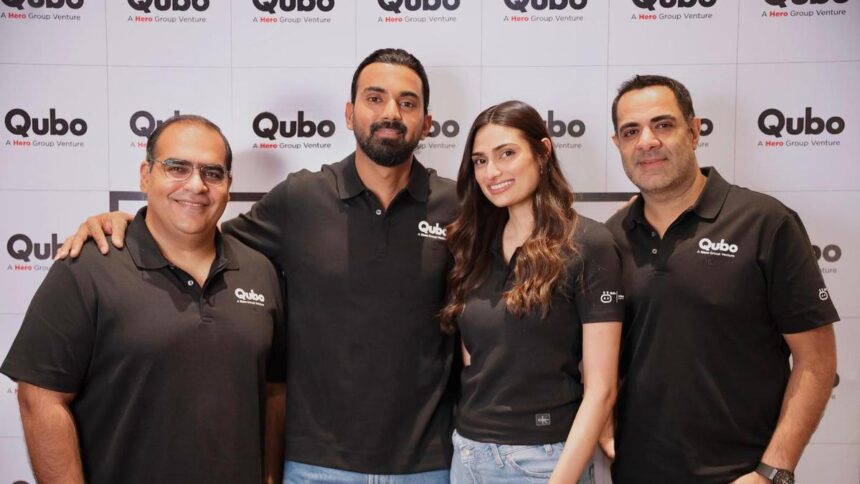
KL Rahul, who has invested in the smart-home technology brand Qubo, emphasizes genuine product alignment as a critical factor in his investment decisions. “For me, it starts with the product. I must genuinely believe in the company’s offering, ideally as a user myself,” Rahul tells Businessline. He prefers to back founders committed to creating sustainable businesses: “I would rather support those quietly building something substantial than those seeking the limelight.”
This evolving mindset influences how athletes relate to the startups post-investment. “If I’m putting my name and trust behind something, I need to understand its performance, objectives, and challenges,” Rahul explains. Qubo co-founder Nikhil Rajpal notes that Rahul and his wife, actress Athiya Shetty, maintain direct engagement with the company concerning strategic issues and actively use its products. “This isn’t a hands-off financial commitment for them,” Rajpal affirms. “They are genuine users of the products, which makes their feedback more insightful and actionable.”
In a different approach, former India cricketer Jatin Paranjape founded sports aggregator platform KheloMore in 2018 to enhance access to sports facilities, coaching, and grassroots training in India. KheloMore allows users to discover and book sports venues and academies. Paranjape expresses his intention to remain actively involved in operations for the next few years, eventually aiming to establish a sports-focused investment fund. He acknowledges that his cricket background facilitated fundraising discussions but insists that effective execution remains vital: “Building operational expertise and vision takes time. As the ecosystem develops, we will see more athlete-founders emerge.”
Brand experts, however, caution that celebrity affiliation alone does not ensure the success of startups. “Cricketer-backed startups may initially attract significant media attention, but ultimately, business performance determines whether funding is sustainable,” warns brand strategist Harish Bijoor. He observes that athletes are transitioning from being mere endorsers to becoming stakeholders with “skin in the game.” “Consumers are fatigued by traditional celebrity endorsements. When athletes invest through equity or ownership, trust becomes a much stronger asset,” he states, while also noting that the trend could become crowded if celebrities seek only short-term visibility.
Founders argue that the dynamic has shifted from quick endorsements and hasty exits. Mehrotra of TMTC comments that athletes are increasingly aware of the long-term wealth creation potential within startups and wish to engage in the journey. “They are not merely pursuing quick profits; they recognize the value created over time as a company grows from $10 million to $100 million and beyond.”
As India’s startup landscape matures in tandem with cricket’s increasing commercial influence, athletes are stepping up to engage in a new venture—an impactful blend of equity, influence, and entrepreneurship.