
The recent death of 51-year-old Mohammad Mafik in West Bengal’s Bankura district has sparked significant controversy, as he was allegedly assaulted by local BJP members while defending his son, a Cockroach Janta Party (CJP) activist. This incident raises serious questions about political violence and the safety of political activists in India.
Details of the Incident
On August 15, Mohammad Mafik was reportedly involved in an altercation with local BJP supporters while trying to protect his son, Sekh Abdul Hafeez, who had returned from Delhi to document the deplorable conditions of a nearby school. The attack, as described by family and supporters, was brutal and led to Mafik succumbing to his injuries shortly afterward. Following the incident, local authorities arrested eight individuals believed to be involved in the assault.
Response from the Community
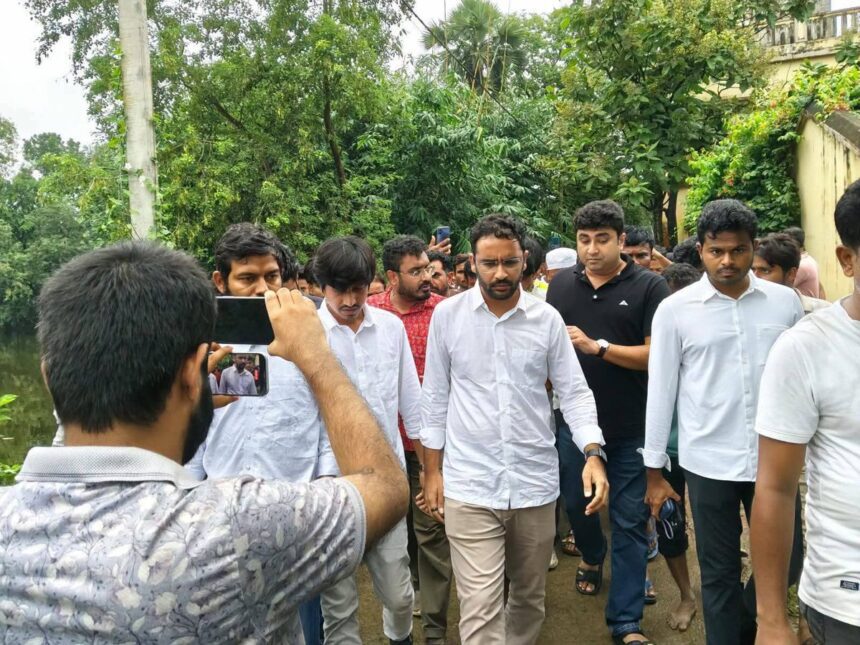
The community response to Mafik’s death has been one of outrage and sorrow. CJP co-convenor Ashutosh Ranka visited Karisunda village to meet with Hafeez and his family, underscoring the impact of the incident on local sentiment. Supporters claim that violence against political opponents has been on the rise, particularly aimed at those involved in activism for social justice and transparency in governance. Community leaders are calling for justice and accountability in what they perceive as a broader pattern of intimidation by political factions.
The Wider Political Climate
This incident sheds light on the escalating political tensions in India, particularly in regions where regional parties and the BJP vie for power. Critics argue that the BJP’s increasing dominance has led to a culture of fear where dissent is met with violence rather than dialogue. The incident involving Mafik and Hafeez is not an isolated case; it reflects a disturbing trend of political attacks that have escalated in recent years, raising alarms about the health of India’s democracy.
Why This Matters
The circumstances surrounding Mohammad Mafik’s death are emblematic of a troubling trend in Indian politics, where political activism can lead to violent repercussions. For Indian readers, understanding this incident is crucial not only to grasp the risks faced by activists but also to recognize the implications for civil liberties and democratic discourse in the country. As political violence appears to grow more pervasive, maintaining a vigilant civil society will be essential to protect democratic values.
Frequently Asked Questions
What happened to Mohammad Mafik?
Mohammad Mafik died on August 15 after being allegedly assaulted by local BJP members while attempting to protect his son, a CJP activist, who was documenting the state of a local school.
How many people have been arrested in connection with the incident?
Eight individuals believed to be involved in the assault have been arrested by local authorities following the incident.
What is the Cockroach Janta Party (CJP)?
The CJP is an advocacy group focused on social justice and activism, particularly aimed at addressing issues related to governance and public services in India.
Why is this incident significant?
The incident highlights the growing political violence in India, particularly against activists, and raises questions about the safety of those opposing dominant political narratives. It underscores the importance of civil rights and the need for accountability in political discourse.