
The recent summit of the Shanghai Cooperation Organization (SCO), held in Bishkek, Kyrgyzstan, brought together leaders from China, Russia, and India, showcasing their intent to counter U.S. global influence. As discussions unfolded, key issues emerged surrounding regional cooperation, security, and the ongoing crises involving Russia and Iran, which further complicate diplomatic ties among members.
The Strategic Significance of the SCO Summit
The SCO was initially formed in 2001 as a security alliance comprising China, Russia, and four Central Asian nations. Since then, it has expanded to include ten member nations, with additional countries enjoying “dialogue partner” status. For India, participation in the SCO allows it to maintain a strategic foothold amidst rising regional complexities involving larger powers.
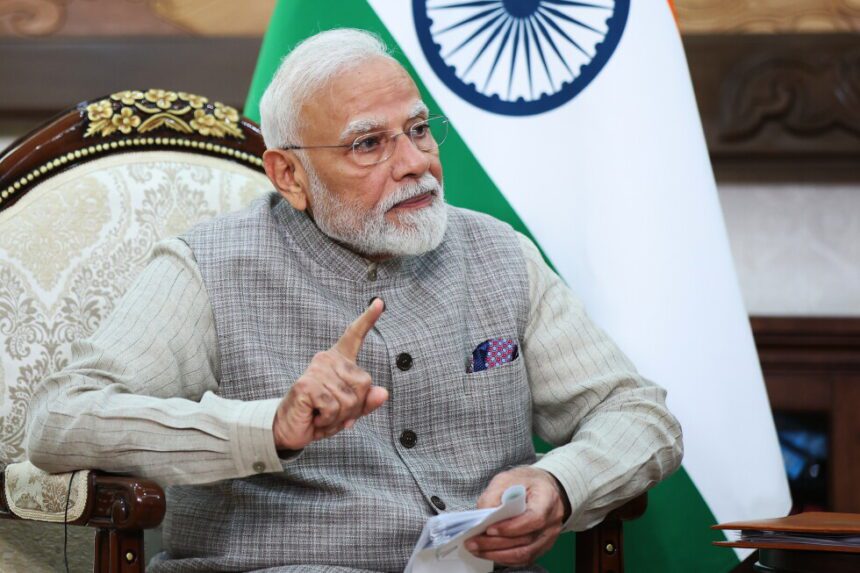
During the summit, President Narendra Modi emphasized India’s desire to facilitate peace in Ukraine, stating, “We need to move from endless war to the end of war, to the end of hostilities.” This stance reflects India’s position as a nation striving for diplomatic resolutions in a world increasingly polarized by geopolitical tensions.
Challenges and Disagreements Among Members
Despite the aim of presenting a united front against Western influence, the SCO is not without its internal disagreements. For instance, the inclusion of Pakistan—a rival nation for India—creates a complex dynamic that some analysts believe may limit India’s influence within the forum. Experts argue that while India might leverage this platform to project its position and safeguard its interests, the reality is that individual member states often pursue their own agendas, which may not align with collective goals.
Attention was drawn to the bilateral talks between Russian President Vladimir Putin, Xi Jinping of China, and Modi, which highlighted strategic discussions on mutual interests. However, the overall effectiveness and direction of the SCO remain somewhat vague, often leaning more towards symbolic cooperation than concrete outcomes.
The Broader Implications for International Relations
China’s determination to enhance the SCO’s role as an alternative to Western organizations, such as the G7, is noteworthy. The Chinese government views this summit as an opportunity to reshape regional dynamics and solidify alliances with non-Western partners like Russia and Iran. With the ongoing geopolitical crises involving these nations, the SCO serves as a critical platform for discussion and collaboration aimed at fostering economic and political stability in the region.
As countries like Iran and Russia face escalating tensions with the West, their participation in the SCO underscores a broader trend toward forming alliances that provide a counterbalance to Western dominance in global affairs. This scenario provides significant opportunities for nations seeking to collaborate beyond traditional alliances.
Why This Is Trending
Interest in the SCO summit has peaked in India due to the increasing geopolitical rivalry involving major global powers. As India navigates its role in a multipolar world, events such as this summit are essential for sensing shifts in alliances and understanding regional security concerns. Furthermore, Modi’s remarks regarding peace efforts in Ukraine resonate with the Indian public, who are keen on assessing India’s foreign policy stance amidst global conflicts.
Frequently Asked Questions
What countries are members of the SCO?
The SCO currently includes ten member nations: Russia, China, India, Iran, Pakistan, Belarus, Kazakhstan, Kyrgyzstan, Tajikistan, and Uzbekistan.
What is the main objective of the SCO?
The SCO aims to promote regional security and cooperation among its members, particularly in areas such as political dialogue, economic development, and cultural exchange.
How does India benefit from being part of the SCO?
India’s participation allows it to engage in multilateral dialogue, track geopolitical changes, and protect its national interests amidst rising competition in Central Asia.
What were the key discussions during the summit?
The summit covered various topics, including bilateral ties, security cooperation, and ongoing conflicts involving Russia and Iran, with a specific focus on India’s push for peace in Ukraine.