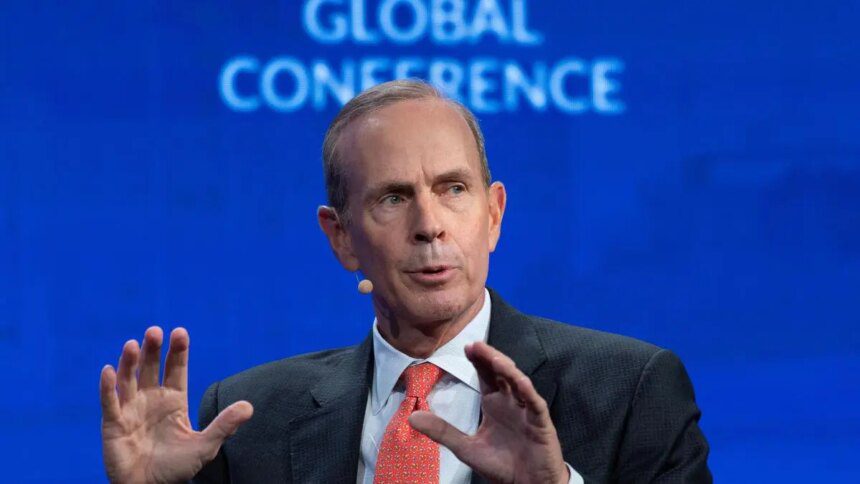

Chevron Chairman and CEO Mike Wirth warned on Monday of impending physical shortages in oil supply globally due to the ongoing closure of the Strait of Hormuz, a crucial route for approximately 20% of the world’s crude oil supply. Speaking at a discussion hosted by the Milken Institute, Wirth highlighted that economies, particularly in Asia, would start to experience contractions as demand adjusts in response to the diminished supply linked to the US-Israeli conflict with Iran.
“We will start to see physical shortages,” Wirth stated, emphasizing that commercial market surpluses, tankers in covert fleets evading sanctions, and national strategic reserves are diminishing. “Demand needs to move to meet supply,” he added, indicating that a slowdown in economic activity is inevitable.
Wirth noted that Asia is first in line to feel the effects due to its heavy dependence on oil from the Gulf, followed potentially by Europe. While the United States, as a net exporter of crude oil, might be less impacted initially, Wirth acknowledged that the repercussions would eventually reach US shores as well. He pointed out that the last scheduled oil shipment from the Gulf is currently being unloaded at the Port of Long Beach, which caters to the Los Angeles and Southern California markets.
He characterized the consequences of the Hormuz closure as potentially as severe as those experienced during the oil crises of the 1970s, which precipitated global economic upheaval, fuel rationing, and extensive lines at gas stations. In a stark consequence of rising jet fuel prices amid tighter supplies, Spirit Airlines ceased operations over the weekend.
The discussion underscored the critical implications of geopolitical tensions on global energy markets and the potential toll on economies worldwide.
Published on May 5, 2026.