
Summary
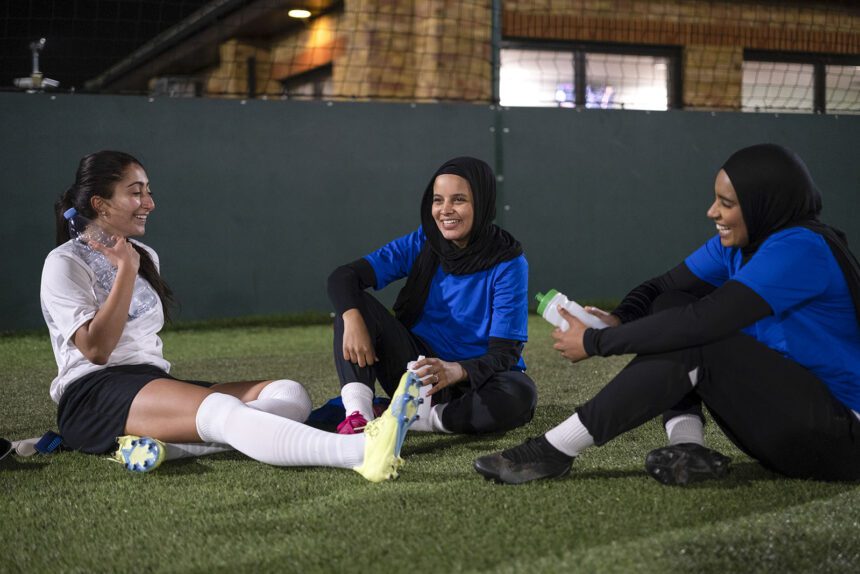
New guidelines from two UK charities aim to enhance the accessibility of sports for Muslim women by recommending faith-sensitive training, modest kit options, and private changing facilities. The initiatives come in response to significant findings that show a large desire among Muslim women for increased participation in sports, which is currently hampered by various barriers, including lack of appropriate facilities and cultural considerations.
Addressing Barriers for Muslim Women in Sports
Recent research from the Muslimah Sports Association indicates that a staggering 97% of Muslim women in the UK wish to engage more deeply in sports. However, troublingly, over a third (37%) of these women do not participate in any form of sporting activity. This disconnect highlights a critical gap between interest and accessibility, as voiced by Grace Allison-Arnold from Fight For Peace. She stated that many sports clubs are not only ill-equipped but also lack understanding of how to make environments welcoming for Muslim women.
Allison-Arnold emphasized the need for sports facilities to implement modest attire options and convert changing areas into private spaces. “When sporting environments fail to address these barriers, they become intimidating or unwelcoming,” she noted, stressing the essential role sports play in transformative experiences. Clubs must actively foster a supportive atmosphere to encourage participation.
Community Engagement and Tailored Approaches
The guidelines propose a collaborative approach, advocating for sports clubs to enlist the help of community leaders. This would facilitate “taster sessions” in familiar environments, helping Muslim women participate without feeling isolated. Such initiatives would not only boost engagement but also promote broader social unity by creating inclusive spaces.
Asma Ajaz Ali, the chief executive of the Muslim Sports Foundation, stressed the critical importance of tailored educational programs for coaches and leaders in male-dominated sports. Increased understanding of the specific needs and barriers of Muslim women will ensure that the sports community can foster an inclusive environment. For instance, addressing the discomfort some Muslim women may feel when training in public spaces with men present can lead to the implementation of women-only hours or the creation of screened-off areas.
Positive Changes in Sports Facilities
As demonstrated by para powerlifter Doaa Shayea, who will compete in the 2026 Commonwealth Games, accommodating the unique needs of athletes is key to fostering inclusion. Shayea shared her positive experiences with organizations like British Powerlifting, which have been proactive in respecting her faith and ensuring her training aligns with her religious practices. The provision of a para powerbench for home training exemplifies how custom accommodations can not only make participants feel welcomed but can also significantly enhance their performance and sense of belonging.
Guidelines also promote the availability of private spaces for prayer, allowing Muslim athletes to train uninterrupted during religious observances like Ramadan. In this manner, the updated frameworks are not merely recommendations but pivotal solutions to making sports more accessible, equitable, and responsive to the needs of diverse communities.
Why It Matters
The significance of these guidelines extends beyond individual athletes; they present an essential blueprint for transforming the sports sector into a more inclusive landscape. By implementing faith-sensitive training and provisions, sports clubs can attract a broader demographic, fostering community ties and promoting mental and physical well-being. Such initiatives are crucial for stakeholders aware of the shifting dynamics in sports participation, which increasingly requires sensitivity to cultural and religious considerations, especially in multicultural societies.
Frequently Asked Questions
What are the main barriers faced by Muslim women in sports?
Major barriers include lack of appropriate facilities, issues related to modesty in sports attire, previous negative experiences, and broader societal discrimination that can affect confidence and willingness to participate.
How do the new guidelines recommend improving facilities for Muslim women?
The guidelines suggest implementing modest kit options, creating private changing areas, and offering flexible schedules that accommodate religious practices, such as prayer during training hours.
What role do community leaders play in enhancing Muslim women’s participation in sports?
Community leaders can help sports clubs organize introductory “taster sessions” in familiar settings, fostering an environment where Muslim women feel accepted and less like a minority.
How can sports organizations better support the needs of Muslim women?
Organizations are encouraged to engage in training that educates coaches about the specific needs of Muslim women, implement women-only training hours, and provide accommodations that allow for privacy and comfort during participation.