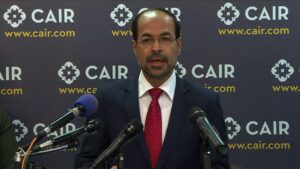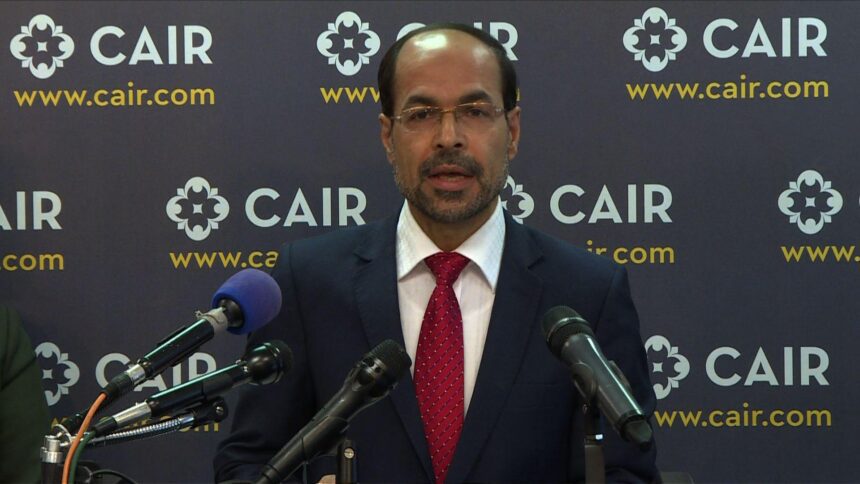

The Council on American-Islamic Relations (CAIR) is advocating for Islamic institutions to apply for security grants from the Department of Homeland Security (DHS) to protect against potential anti-Muslim violence. This initiative has gained renewed urgency in light of recent violent events, including a shooting at a San Diego mosque that left three dead. However, this push has reignited debates within Muslim communities regarding the implications of government involvement in their security.
The Complex Dilemma of Seeking Protection
In the wake of documented threats against Muslim institutions, such as mosques and Islamic schools, the need for enhanced security has grown increasingly clear. CAIR is framing this initiative not merely as a security measure but as a civil rights strategy. By applying for the DHS Nonprofit Security Grant Program, these institutions can develop security plans, strengthen ties with local law enforcement, and access essential resources aimed at preventing hate crimes.
However, this call for action brings about a heightened sense of urgency and concern rooted in a complex historical context. Many Muslim communities carry the weight of post-9/11 experiences where law enforcement surveilled mosques and monitored Muslim neighborhoods. The fear is that engagement with security agencies might cross the line into surveillance and monitoring rather than ensuring safety.
The DHS Nonprofit Security Grant Program: Risks and Benefits
The DHS Nonprofit Security Grant Program requires applicants to submit comprehensive details regarding their organizational structure, mission, and perceived security threats. Critics argue that this increased scrutiny could stifle political discourse among religious institutions and foster an atmosphere of distrust. They fear that what is marketed as a safety initiative could, in fact, evolve into an avenue for government oversight and control over Muslim communities.
Despite these concerns, CAIR’s current advocacy for participation in the grant program showcases the paradoxical nature of the situation. While they acknowledge the potential risks of increased collaboration with law enforcement, they also recognize the pressing need for protection in a climate where anti-Muslim sentiments can lead to violence against their institutions.
A Balancing Act: Civil Rights vs. Security
The debates surrounding this issue reveal the broader dilemma faced by many minority communities: balancing the need for safety and protection against the potential erosion of civil liberties. The questions that arise are not merely about right and wrong but rather about navigating between two substantial risks—violent attacks and governmental surveillance.
This complex relationship between Muslim communities and the state’s security apparatus raises critical questions about the implications of seeking government protection in a context marked by historical mistrust. As these communities engage with authorities for better security, they must continually assess whether such measures compromise their autonomy and freedom of expression.
Why It Matters
The discourse surrounding CAIR’s push for DHS security grants highlights significant societal dynamics. Understanding the nuanced relationship between the state, Muslim communities, and security provisions is essential for policymakers, activists, and the general public. It broadens the dialogue about civil rights in the context of national security and illustrates the complexities faced by marginalized communities when seeking protection.
As the digital age progresses, these discussions also resonate within the AI sector, particularly regarding data collection, surveillance, and privacy issues. For software developers and tech firms, acknowledging the implications of security measures on civil liberties can help guide ethical practices in technology deployment and build trust within communities affected by surveillance and discrimination.
Frequently Asked Questions
What is the significance of the DHS Nonprofit Security Grant Program?
The DHS Nonprofit Security Grant Program provides funding for non-profit organizations, particularly religious institutions, to enhance their security measures against potential hate crimes and violence.
Why are Muslim organizations hesitant to accept these grants?
Many Muslim organizations express concern that accepting government grants may lead to increased surveillance and scrutiny, affecting their civil liberties and freedom to engage in political expression.
What historical context complicates this decision for Muslim communities?
Post-9/11 experiences, where Muslim neighborhoods were subject to surveillance and distrust from law enforcement, have created a lingering wariness regarding government involvement in community security matters.
How does this issue relate to broader civil rights discussions?
The situation illustrates a broader dilemma for minority communities regarding the balance between ensuring safety against potential violence and safeguarding civil liberties from government oversight and surveillance.