Summary
In a turbulent week for commodity markets, gold and silver prices saw significant declines due to mixed economic signals and geopolitical tensions. As September begins, traders are preparing for more volatility as key US economic data is expected to impact market conditions.
Current Gold and Silver Trends
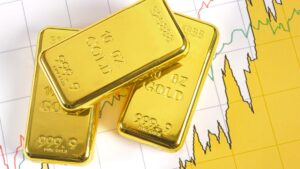
Gold futures for October delivery on the Multi Commodity Exchange (MCX) plummeted ₹6,157, or 3.8%, recently closing at ₹1.56 lakh for every 10 grams. Silver futures for the September contract saw a similar downturn, dropping ₹9,893, or 4%, landing at ₹2.36 lakh per kilogram.
According to Jateen Trivedi, VP Research Analyst at LKP Securities, gold’s sharp correction last week was from approximately ₹1.63 lakh to ₹1.56 lakh, marking a notable drop and a negative weekly close exceeding 3%. This trend indicates a worrying sentiment among investors in the commodity market.
Key Drivers Behind Price Changes
Market analysts are directing attention to upcoming US economic indicators, including manufacturing and services PMI data from major economies like India. Additionally, inflation figures from the Eurozone and Germany, along with the essential US non-farm payroll data, are set to play pivotal roles in influencing market dynamics.
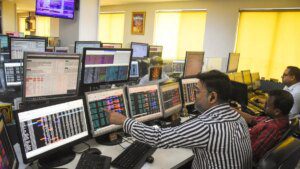
Traders experienced heightened selling pressure last Friday following a speech by Federal Reserve Chair Kevin Warsh, whose remarks on inflation and monetary policy triggered a wave of profit booking across the bullion markets. In international trading, Comex gold futures dropped USD 150.7, representing a 3.2% decline, settling at USD 4,680.6 per ounce. Silver futures fell USD 2.56, or 3.64%, settling at USD 67.78 per ounce.
Geopolitical Concerns and Market Volatility
Geopolitical developments may further contribute to market unpredictability. Traders are keeping a close eye on the US-Iran conflict, particularly events surrounding the Strait of Hormuz, which could significantly impact oil prices and inflation expectations in India. This instability in international relations could elevate import costs, further burdening consumers and industries reliant on commodities.
Despite the recent downturn, silver has outperformed gold in August, increasing by around 21% compared to gold’s 15.7% gain. Gaurav Garg, Head of Research at Lemonn Markets, points to this outperformance as a noteworthy trend that could affect investor preferences in the coming weeks.
What This Means
The recent price corrections in gold and silver signify broader economic concerns for Indian investors, particularly those participating in commodity markets. With significant economic indicators on the horizon, the volatility could further impact household gold purchases during the festive season, traditionally a peak time for buying precious metals in India.
Inflation and policy changes from central banks globally could ripple into the Indian economy, affecting not only commodity prices but also consumer behavior. Indian manufacturers who rely on metals for production may face increased costs, thus potentially leading to price hikes in their goods. Therefore, observing these market dynamics will be vital for both individual and industry-level stakeholders.
Frequently Asked Questions
What caused the recent drop in gold and silver prices?
Recent drops were attributed to rising profit booking following remarks from the Federal Reserve regarding inflation and the US economic outlook, alongside global economic data expectations.
How do geopolitical tensions affect the gold market?
Geopolitical tensions can create uncertainty, often leading to increased volatility and higher prices for safe-haven assets like gold, as investors seek a refuge from fluctuating markets.
What are the implications for Indian consumers?
Indian consumers may face higher prices for gold and silver due to international market fluctuations, compounded by potential increases in inflation and currency movements that affect import costs.
How can investors prepare for upcoming market changes?
Investors can monitor key economic indicators, geopolitical developments, and central bank policies to better understand potential market movements and manage their portfolios accordingly.