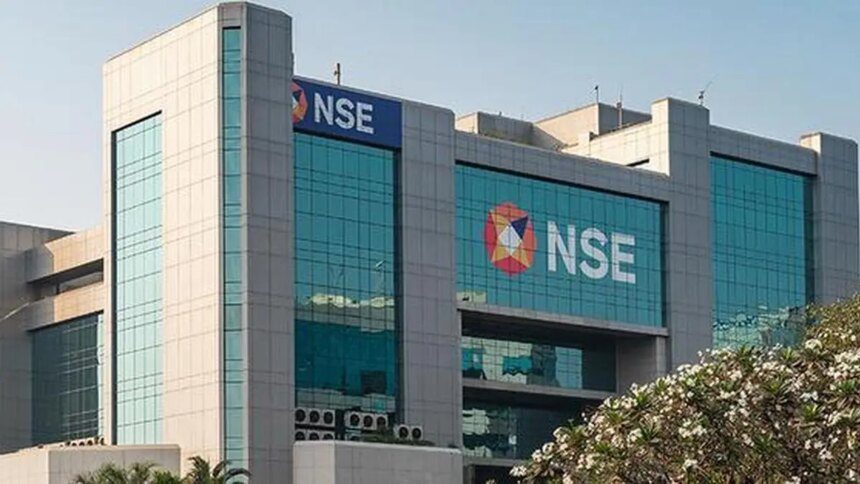

The National Stock Exchange (NSE) has revived its plans to go public by filing a draft red herring prospectus (DRHP) with the Securities and Exchange Board of India (SEBI). This anticipated initial public offering (IPO) could raise up to ₹30,000 crore and marks a significant milestone for India’s largest stock exchange, which has faced nearly a decade of regulatory challenges.
Details of the IPO
The upcoming IPO is slated to consist entirely of an offer for sale of approximately 148.9 million equity shares, representing nearly 6% of the total shares, from existing institutional shareholders. It will not involve any fresh equity issue, which often dilutes existing share value. Given the exchange’s unlisted market valuation of about ₹5 lakh crore, the expected issue size positions this IPO among the largest in Indian history.
This strategic move aims to enhance the NSE’s visibility and brand image, provide liquidity to its shareholders, and foster a public market for its shares within India. The initiative also signifies a push towards greater transparency and governance compliance as the exchange navigates through regulatory scrutiny.
Key Shareholders and Their Participation
Among the prominent sellers in this mega offer-for-sale is the State Bank of India (SBI), which plans to sell 24.75 million shares. Other significant stakeholders include MS Strategic (Mauritius) Ltd with 16 million shares, and the Canada Pension Plan Investment Board, planning to offload 11.87 million shares. Additional contributions will come from Bank of Baroda and Stock Holding Corporation, each selling around 11 million shares, and General Insurance Corporation of India with a planned sale of 10.66 million shares.
Interestingly, the Life Insurance Corporation of India (LIC), which is the largest shareholder in NSE, has opted not to participate in this offer-for-sale. This decision may raise questions regarding LIC’s future plans and its strategic positioning in the stock market.
Regulatory Approvals and Historical Context
The NSE received a no-objection certificate from SEBI earlier this year, paving the way for this IPO. The board of NSE approved the proposal on February 6, reflecting a significant shift in the operational strategy after years of delay. NSE first attempted to list back in 2016, but faced regulatory setbacks mainly concerning issues related to co-location and usage of dark fibre, both of which raised concerns regarding market fairness.
The exchange has been actively working to clear its regulatory hurdles over the years, settling various cases and bolstering its governance framework. Despite still awaiting the final resolution regarding key regulatory issues, the filing marks an essential step forward in restoring investor confidence in the exchange.
What This Means
The impending IPO of NSE comes at a time when Indian equity markets are witnessing renewed interest from both domestic and international investors. This move is expected to not only enhance market participation but also bolster the overall infrastructure of the Indian financial markets. By transitioning to a public entity, the NSE can further align itself with international standards of transparency and governance, which is crucial for sustaining investor confidence, especially given the recent global market volatility.
This IPO could serve as a litmus test for the regulatory environment in India, showcasing the ability of Indian businesses to navigate complex regulatory landscapes successfully. As NSE prepares for this IPO, other exchanges and market participants will likely keep a keen eye on the developments, as they could set a precedent for future public offerings.
Frequently Asked Questions
When is the NSE IPO expected to launch?
The exact date for the launch of the NSE IPO will depend on SEBI’s review and observations following the draft filing. Market conditions will also play a critical role in determining the timing.
Who are the key stakeholders involved in this IPO?
Key stakeholders include the State Bank of India, Canada Pension Plan Investment Board, and various institutions such as Bank of Baroda and General Insurance Corporation of India, who will be selling their shares in the offer-for-sale.
What is a draft red herring prospectus (DRHP)?
A DRHP is a preliminary registration document filed by a company with SEBI before it goes public. It contains important details about the company, the proposed IPO, and risks involved, but it is not yet a formal offer to the public.
Why is LIC not participating in the offer-for-sale?
While specific reasons for LIC’s absence from the offer-for-sale have not been disclosed, it may involve strategic decisions regarding liquidity management or future investment plans related to the NSE.