
In Karnataka, a controversial audio clip has surfaced, allegedly exposing a BJP worker discussing the systematic removal of minority voters from electoral rolls during the Special Intensive Revision (SIR). This has ignited concerns regarding the manipulation of electoral processes, particularly the targeting of Muslim voters.
Context of Allegations
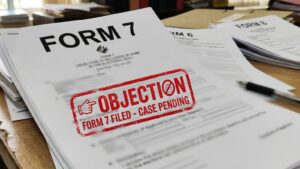
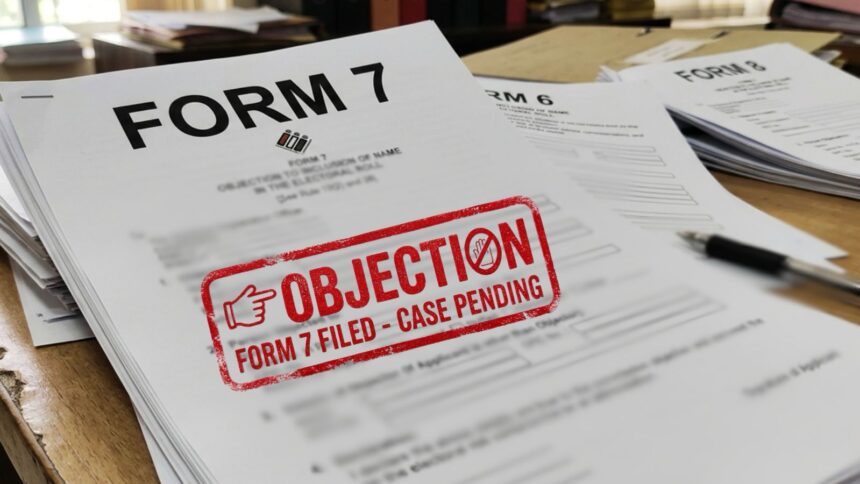
As part of the electoral roll revision process, Form 7 is used for submitting objections to the names of voters. Recent reports have indicated extensive use of these forms to remove minorities, particularly Muslims, from the voters’ list in Karnataka. In a recording shared by Mohd Zubair, an activist and founder of Alt News, a conversation captures a local BJP worker discussing how bulk forms were filled out at the direction of the party to delete Muslim voters.
Details from the Audio Clip
In the leaked audio, the BJP worker mentions that a couple, identified as Lokesh and Rajni, submitted numerous Form 7 applications to have names removed from the electoral rolls. Zubair claims that within one local booth alone, there were 61 requests to delete names, all of which belonged to Muslim voters. He emphasizes the notable pattern of names being primarily of individuals like Abdul, Mohammed, or Fatima, raising serious concerns about targeted disenfranchisement.
Legal and Political Ramifications
Following these allegations, an FIR was lodged against Karnataka BJP leader Ravi Patil and others who were reportedly involved in attempting to delete the names of 198 voters from the Belagavi district. The police have taken action against those implicated, reflecting a serious legal response. Chief Minister DK Shivakumar has advocated for the protection of all genuine voters’ rights and demanded detailed constituency-wise data regarding objections filed during the SIR process.
Why This Matters
This incident holds significant political implications for India, particularly in an era marked by heightened scrutiny of electoral practices. The alleged targeting of minority voters raises critical questions about the integrity of the democratic process in Karnataka and beyond. As elections approach, evidence of systematic voter suppression can undermine public confidence in electoral legitimacy and exacerbate communal tensions. Ensuring equitable representation for all communities is essential for the health of Indian democracy.
Frequently Asked Questions
What is the Special Intensive Revision (SIR) process?
The SIR process is a designated time for reviewing and updating electoral rolls, allowing for the removal of names and the addition of new voters to ensure the accuracy of the voter list.
What are Form 7 applications?
Form 7 is the official application used by individuals or groups to file objections against any name(s) on the electoral rolls. It serves as a mechanism to ensure that only eligible voters have their names listed.
What actions have been taken against the BJP leaders involved?
Legal actions have been initiated, including the filing of an FIR against BJP leader Ravi Patil and others, reflecting the seriousness of the allegations of voter deletion.
How is this issue being perceived politically?
The allegations have ignited a political firestorm, raising concerns about electoral integrity and the targeting of specific communities, which could impact the ruling party’s standing and credibility in the upcoming elections.