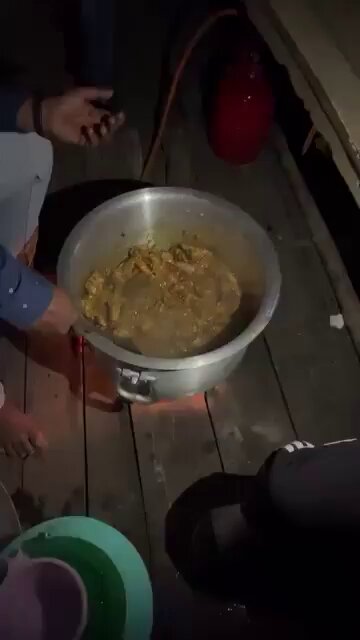

A controversial video has surfaced showing a chicken being cooked and an alcohol party taking place on a boat in the Ganges River at Varanasi’s Dashashwamedh Ghat. The boat is reportedly owned by a member of the Bharatiya Janata Party (BJP), leading to significant public outrage and subsequent police action.
What Happened in Varanasi
The incident unfolded when a video was posted online depicting individuals cooking chicken and consuming alcohol on a boat floating in the Ganges. This location is particularly sacred in India, making the actions shown in the video especially contentious. Following the video going viral, police intervened, arresting five individuals believed to be involved in the event and seizing the boat. Reports indicate that the boat is connected to a BJP councilor, heightening the stakes of the incident.
Public Reaction and Controversy
The video has elicited strong reactions from the public and various political commentators. Many users on social media expressed outrage, condemning the blatant disrespect for both cultural and religious sentiments associated with the Ganges. The incident has ignited discussions regarding the behavior of political figures and their accountability, especially concerning actions that seem to disregard the local community’s values. As the video circulated widely, it became a flashpoint of criticism against the ruling party, emphasizing issues of moral and ethical governance.
Police Action and Further Implications
In response to the backlash, local authorities acted quickly by detaining the individuals involved and confiscating the boat. This decision demonstrates a recognition of the need to address public concern regarding the propriety of events taking place in culturally significant areas. However, the enforcement measures also raise questions about the effectiveness of accountability in political circles, particularly when considering that the boat is linked to a BJP councilor. Some observers speculate that this incident may prompt further scrutiny of the activities permitted on the Ganges and similar locales across India.
Why This Matters
This incident is significant for several reasons. Firstly, it represents a broader commentary on the relationship between religion, culture, and politics in India, especially within a state known for its religious significance. Secondly, it triggers discussions about moral authority and the responsibilities of public representatives to exhibit adherence to the ethical standards expected by their constituents. Moreover, as political tensions rise, such incidents can impact public trust in governance, potentially influencing future political landscapes in Varanasi and beyond.
Frequently Asked Questions
What prompted the police to take action?
The police acted after the video went viral, leading to public outrage over the perceived disrespect towards cultural norms associated with the Ganges River.
What are the implications of this incident for political figures in India?
Political figures might face increased scrutiny regarding their behavior and the activities they endorse, particularly in culturally significant locations. It raises questions about accountability and ethics in political conduct.
How have netizens reacted to the video and the subsequent arrests?
Netizens have shown a mixture of outrage and support for the arrests, emphasizing the need for respecting cultural practices while criticizing the comfort levels of some political figures indulging in such activities.
What impacts could this have on BJP’s public image?
This incident may detrimentally affect the BJP’s public image in Varanasi, as it reinforces narratives of insensitivity among political leaders, particularly in a culturally significant city. It could influence voter sentiment in future elections.