
Summary
In Merimbula, New South Wales, local Muslims are facing significant challenges after the Bega Valley Shire Council classified the Ummah Community Centre as a place of worship, leading to its effective closure. This decision not only isolates the Muslim community but also raises concerns about the broader implications of recent changes in planning laws affecting religious spaces in Australia.
Controversial Classification and Closure
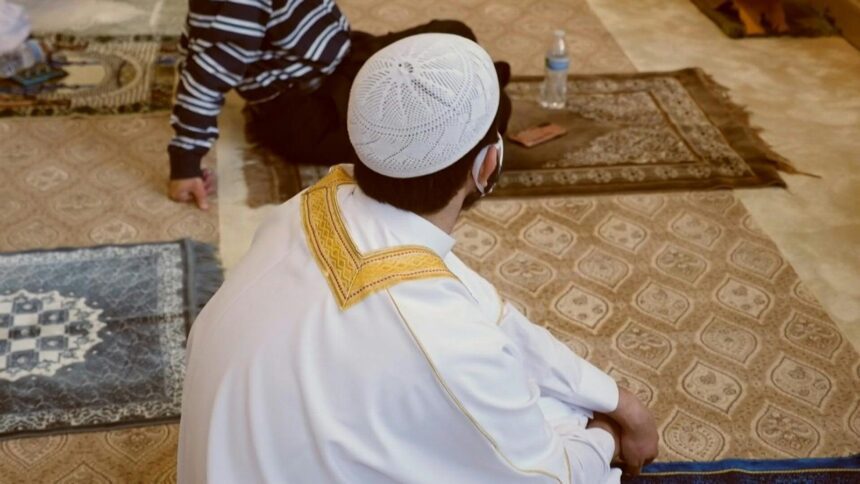
The Bega Valley Shire Council’s decision to categorize the Ummah Community Centre as a religious structure has sparked outrage among the local Muslim community. Users of the center argue that it serves primarily as a community hub, not a mosque. Qayyum Shah, a frequent attendee, expressed dismay over the classification, stating, “This is a community centre, not a mosque.” He stressed that the prayer area is utilized for less than 20 minutes weekly, likening it to prayer spaces in airports and schools.
This ruling appears to be a result of expanded powers granted to councils following a mass shooting in Sydney’s Bondi neighborhood last year. The council stated that while the center offers community activities that align with the “community facility” category, any consistent religious practice falls under a separate planning law and necessitates a development application. This nuance has left many local Muslims feeling cornered and without options.
Community Response and Concerns
Community members have rallied around the notion that their center is meant to be a secular, multi-faith meeting place. Shah emphasized the inclusive nature of the Ummah Community Centre, noting that it serves a variety of users, including non-Muslim local doctors, business owners, and families. The community is concerned that these new regulations could easily extend to other religious gatherings, regardless of faith. Secretary Nathan Munro-Donohue, whose wife identifies as Christian, highlighted this risk, suggesting that a small Bible study group might also face similar scrutiny under the updated laws.
The impact has led to feelings of dejection among local Muslims. Center president Marwa Hudson articulated the emotional toll the closure has taken, stating that community members feel “banished from their space.” The situation illuminates the growing unease within marginalized communities in Australia, as local governments increasingly exercise control over spaces deemed religious or spiritual.
Legislation and Its Implications
The shift in planning laws that resulted in the council’s decision highlights a broader trend that marginalized communities like the Muslims in Merimbula are grappling with. The introduction of measures aimed at preventing violence, such as the post-Bondi legislative changes, carry with them consequences that extend far beyond immediate safety concerns.
This case illustrates the tension between security measures and the protection of community spaces—spaces that are vital for fostering social cohesion and inclusivity. With precise definitions of what constitutes a place of worship now under scrutiny, communities may find themselves navigating an increasingly complex regulatory landscape that inadvertently isolates them.
Why It Matters
The situation in Merimbula sheds light on the delicate balance between community rights and government regulations. For the Australian Muslim population and other marginalized groups, this case amplifies fears of societal exclusion based on misconceptions about religious practices. As communities fight to maintain their spaces amidst evolving laws, the importance of clear, inclusive guidelines becomes apparent. Regulation aimed at protecting citizens should not translate into isolation for minority groups. The implications of such decisions reach far beyond the local level, influencing national dialogues around inclusivity in diverse societies.
Frequently Asked Questions
What led to the closure of the Ummah Community Centre?
The Bega Valley Shire Council classified the center as a place of worship under new planning laws, effectively shutting it down due to rules requiring development applications for recurrent religious activities.
How often did the center serve as a place of worship?
According to community member Qayyum Shah, the prayer area was used for less than 20 minutes of prayer each week, indicating that its primary function was as a community facility.
What are the broader implications of this decision?
The ruling has raised concerns about the potential for further exclusion of minority groups from communal spaces and the risk of similar restrictions impacting other religious gatherings in the community.
How are local Muslims reacting to the decision?
Local Muslims feel dejected and excluded, expressing concerns about being “banished” from their space, as noted by center president Marwa Hudson.