
Summary
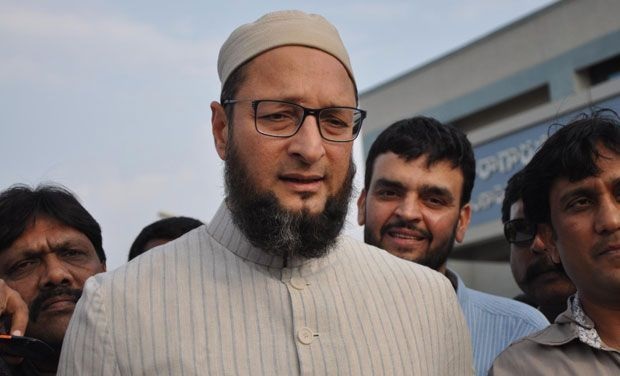
Asaduddin Owaisi, the chief of AIMIM and MP from Hyderabad, recently testified in a Hapur court regarding a 2022 incident where his convoy was targeted in a shooting. This incident raises broader concerns about the increasing threats faced by political leaders in India, particularly those from minority communities, reflecting a climate of intimidation and marginalization under current governance.
The Shooting Incident: Context and Impact
On February 3, 2022, while returning to Delhi after campaigning for the Uttar Pradesh assembly elections, Owaisi’s convoy was shot at near the Chhijarsi toll plaza on the Delhi-Meerut highway. Thankfully, he escaped unharmed, but the event marked another troubling instance of violence against political figures, particularly those aligned with minority communities like Muslims.
The attack underscores a broader trend where political dissent, especially from leaders representing Muslim constituents, is met with hostility. Following the incident, police arrested three individuals: Sachin and Shubham, who allegedly carried out the attack, and Alim, who is accused of supplying the weapons. The fact that all three men are currently out on bail raises concerns over accountability and justice in such cases.
Legal Proceedings and Community Concerns
The police have filed a substantial charge sheet detailing nearly 1,900 pages of evidence against the accused, which includes serious charges such as attempted murder and criminal conspiracy. It names 60 witnesses, including 12 police personnel, indicating the seriousness of the prosecution’s stance.
Despite the legal proceedings, the lingering question remains: how effective will the justice system be in ensuring safety for those who face threats due to their political affiliations? For many in the Muslim community, such incidents further contribute to a culture of fear and exclusion, as they often feel disproportionately targeted by law enforcement and the judicial system.
The Political Climate Under BJP Rule
The current political climate in India, particularly under the BJP-led government, has seen a rise in social exclusion and economic boycotts against Muslims. Critics argue that this environment fosters discrimination and alienation, not only against political figures but also against everyday citizens. Owaisi’s situation exemplifies the mounting pressures faced by leaders representing marginalized communities in today’s socio-political landscape.
The BJP’s approach, which some view as prioritizing Hindu nationalist agendas, has often led to political discussions becoming deeply polarized, making it increasingly difficult for minority representatives to feel secure in their roles. This ongoing environment of uncertainty reinforces existing barriers to equity in political representation, legal recourse, and social acceptance for Muslims in India.
Why It Matters
The ramifications of these events extend beyond individual cases. They reflect systemic issues affecting the social fabric of Indian society and highlight the urgent need for inclusive governance that respects all citizens, irrespective of their religious or ethnic backgrounds. The impact of discrimination can have long-term effects on the political landscape, economic opportunities, and social cohesion in India. Understanding these dynamics is crucial for both national and international observers concerned with human rights and equality.
Frequently Asked Questions
What happened during the 2022 shooting incident involving Asaduddin Owaisi?
Owaisi’s convoy was shot at while he was returning from a campaign in Uttar Pradesh. He escaped unharmed, but the event led to the arrest of three individuals connected to the attack.
What are the charges against the individuals involved in the shooting?
The accused face multiple serious charges, including attempted murder and criminal conspiracy, as detailed in a nearly 1,900-page charge sheet filed by the police.
Are the accused still in custody?
All three individuals arrested in connection with the attack are currently out on bail, raising concerns about justice and accountability.
How does this incident reflect on the current political climate in India?
The incident highlights a troubling trend of increasing threats against political figures from minority communities, contributing to a culture of fear and discrimination in the current political landscape.