
Reconstructing Railways: Armenia’s Step Toward Reconnection with Türkiye
Armenia is making significant strides toward reviving a railway section that leads to its long-closed border with Türkiye. The section, which has remained unused since the early 1990s, indicates a desire to reduce reliance on Russian railway management and improve transit ties with neighboring countries. This initiative illustrates a political shift in Armenia’s approach to its railway infrastructure and geopolitical relationships.
Opening International Tenders
The Armenian government, led by Infrastructure Minister Davit Khudatian, has initiated an international tender process aimed at designing a 21-kilometer railway segment from Gyumri to the border. This marks a pivotal step in Armenia’s efforts to rejuvenate its railway network and potentially enhance trade relations with Türkiye, a neighboring country whose border has historically been closed to Armenia.
Shifting Away from Russian Influence
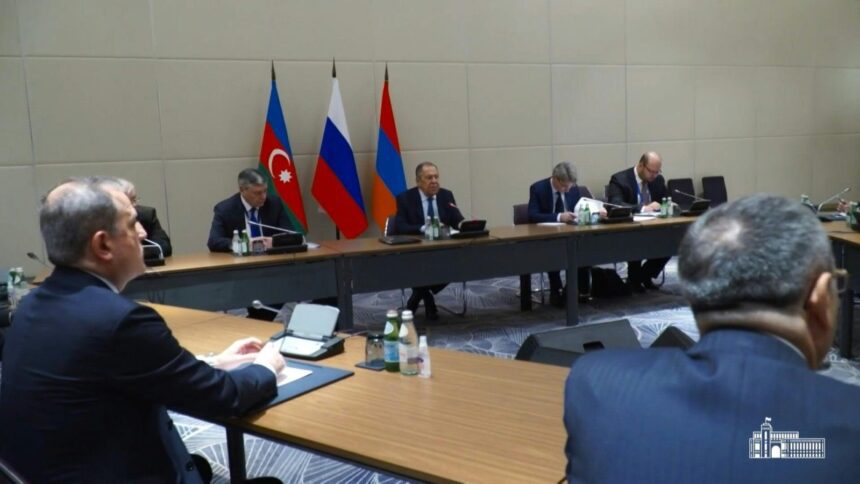
For over a decade, Russia’s state monopoly, Russian Railways (RZhD), has had control over Armenia’s rail system under a 30-year contract established in 2008. Prime Minister Nikol Pashinyan has been vocal about his intention to terminate this agreement, arguing that it obstructs Türkiye and Azerbaijan from utilizing Armenian territory for transit. Tensions between Armenia and Russia escalated when Pashinyan threatened legal action against RZhD, hinting at potential fines of up to $2 billion annually. However, following diplomatic pressure from Moscow, these threats were retracted, and RZhD retained its rights.
Construction Plans and Challenges Ahead
Minister Khudatian indicated that a separate tender for the construction of the railway segment—estimated to cost around $15 million—will be issued later this year, though no specific timeline has been provided. However, the situation remains complex as reconstruction efforts on the Turkish side of the border have reportedly commenced, but Ankara insists that any reopening of the border is contingent upon an Armenia-Azerbaijan peace treaty. This geopolitical reality introduces both opportunities and challenges to Armenia’s aspirations for enhanced connectivity and trade.
Why It Matters
The revival of this railway segment represents a broader strategy by Armenia to enhance its logistical capabilities and reduce dependency on Russian influence. As the nation seeks to establish more dynamic economic relationships with Türkiye and regional players, the implications extend beyond road and rail networks. Improving infrastructure could facilitate increased trade, bolster economic growth, and encourage greater regional integration amidst a historically fraught geopolitical landscape.
Frequently Asked Questions
What does Armenia’s railway project mean for its relationship with Russia?
Armenia’s move to reopen its railway section indicates a shift away from Russian management, suggesting a growing desire for independence in its infrastructural decisions, which could lead to tense relations with Moscow if not managed diplomatically.
How is Turkey involved in the reopening of the railway?
Turkey is tied to the reopening of the border through a demand for an Armenia-Azerbaijan peace treaty, showing that geopolitical agreements may play a significant role in Armenia’s ability to restore rail links with Türkiye.
What is the estimated cost of the railway reconstruction?
The construction of the 21-kilometer railway segment from Gyumri to the border is expected to cost around $15 million, which will be financed by the Armenian government.
When is the timeline for the railway reopening?
While an international tender for design has been opened, a specific timeline for construction and subsequent reopening of the railway has not been disclosed, making the exact duration of the project unclear.