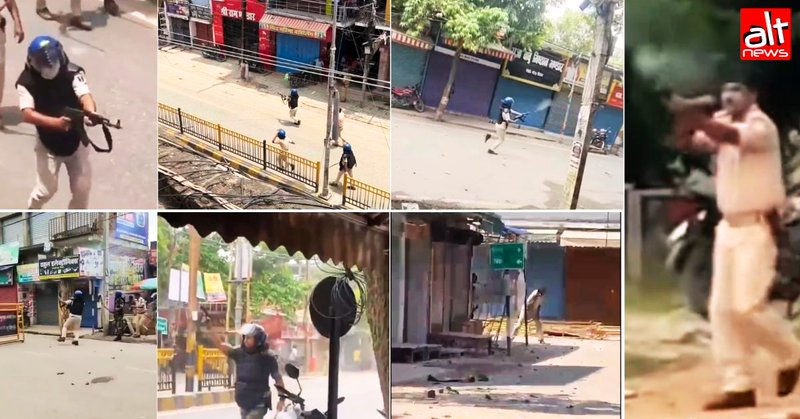

Recent reports from #AltNews indicate that police in Bihar fired at least nine rounds with AK-47s during a student demonstration in Siwan on July 25, despite claims from Bihar Police that only four rounds were discharged and assertions from the BJP that no AK-47s were used. This incident raises serious concerns about police conduct during protests and the implications for public safety.
Background of the Incident
On July 25, a youth movement took to the streets of Siwan, Bihar, in reaction to allegations surrounding an examination paper leak. This led to a widespread protest organized by the All India Students Association (AISA), resulting in a Bihar Bandh—an extensive statewide shutdown. Demonstrators gathered to voice their frustrations over what they believed to be systemic corruption in the examination process. They called for immediate accountability and transparency from the authorities.
Conflicting Accounts of the Shooting
As the situation escalated, police intervened, leading to a violent confrontation. Reports emerged that officers fired at least nine rounds from AK-47s to disperse the crowd. This starkly contrasts the Bihar Police’s assertion that only four rounds were fired. Furthermore, the BJP has publicly denied that AK-47s were used at all, questioning the veracity of the evidence presented by investigators and commenters alike, including the reports from AltNews. These conflicting narratives raise critical questions about the manner in which law enforcement manages protests, particularly in a country where student activism has a rich history.
Reactions and Ramifications
The shooting has sparked outrage among student groups, civil rights organizations, and political commentators. Many express alarm over what they see as an excessive and violent response by law enforcement to peaceful protests. The AISA has vowed to escalate their protests unless a thorough investigation is conducted. Political leaders across the spectrum are now being called to respond, taking stances that could influence future policy discussions around police reform and civil rights in India.
Why This Matters
This incident underscores the ongoing tensions between the youth and the state in India, particularly in Bihar where systemic issues such as corruption and police brutality are glaring. It reflects broader societal concerns regarding the treatment of protestors and the right to dissent in a democratic society. The implications could stretch beyond this single event; depending on how the government reacts, it may either quell unrest or ignite broader movements across the country, influencing public opinion and electoral outcomes in the forthcoming elections.
Frequently Asked Questions
What prompted the protests in Siwan, Bihar?
The protests were sparked by allegations of an examination paper leak, leading to widespread discontent among students regarding fairness and transparency in educational assessments.
What did the police and government officials say about the shooting?
The Bihar Police claimed that only four rounds were fired during the incident, while the BJP has stated that no AK-47s were used at all, contradicting reports that indicate otherwise.
What are the potential implications of this incident on public policy?
The incident may lead to renewed discussions and calls for police reform, potentially influencing legislative measures aimed at protecting the rights of protestors and outlining the acceptable use of force by law enforcement.
How have student organizations responded to the police actions?
Student organizations, particularly AISA, have condemned the police actions, vowing to continue protests until a thorough investigation is conducted into the events of July 25.