
High Court Intervenes in Controversial Mosque Removal
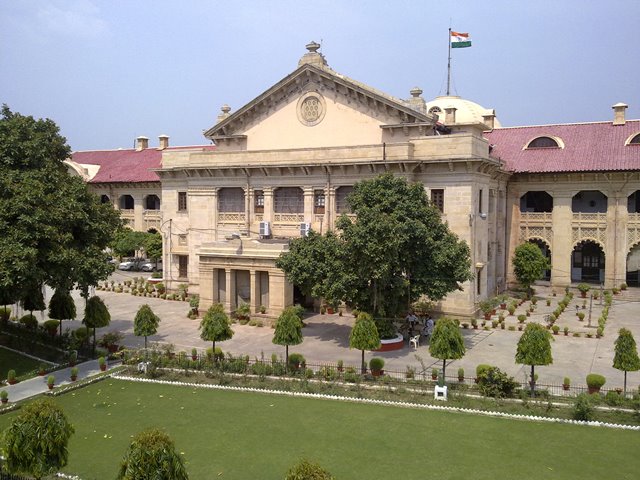
The Lucknow bench of the Allahabad High Court has taken a significant step to protect the rights of the Kazijot village mosque, putting a stay on the National Highways Authority of India’s (NHAI) planned demolition. This ruling comes amidst rising tensions and public outcry concerning the proposed removal of the mosque, highlighting ongoing issues of discrimination and marginalization faced by Muslim communities in India.
Legal Actions and Community Response
The legal battle was ignited when NHAI Project Director Prashant Kumar Bajeti issued a request on June 15 for police assistance to remove the mosque, known as Kelu Masjid (Waqf No. 1249 Masjid Sohrawa), citing it as an encroachment. This request escalated local fears, prompting the mosque’s caretaker, Shahid Ali, to seek judicial relief through advocate Syeda Karam Azad. The court granted an urgent hearing, reflecting concerns regarding potential violations of due process and property rights.
The NHAI’s action was met with significant backlash from local residents and activists, who took to social media to voice their concerns and fears of further marginalization. The district administration, responding to public anxiety, stated that no demolition would occur without proper legal procedures being followed, including issuing adequate notices, land measurement, and thorough fact verification. This response represents a crucial recognition of the community’s rights amidst rising sectarian tensions.
Immediate Relief and Future Implications
The High Court’s interim order maintaining the status quo offers immediate respite to the mosque community and underscores the judiciary’s role in protecting minority rights in a politically charged atmosphere. Scheduled for June 22, the upcoming court hearing will delve deeper into the legal status of the land and the opposing claims from both the NHAI and the mosque management. The ruling will not only address this specific case but may also set a precedent for similar disputes involving places of worship and minority rights in India.
This incident showcases an ongoing struggle where marginalized communities, particularly Muslims, face systemic biases that challenge their social and economic stability. Incidents like this provoke widespread concerns about the right to religious freedom and community identity, further complicated by the socio-political dynamics within the country.
Why It Matters
The recent developments surrounding the mosque highlight critical broader trends regarding minority rights in India. This case is emblematic of a pattern where vulnerable populations are often subjected to state actions that disregard due process, exacerbating socio-economic disenfranchisement. As global awareness of these issues increases, dialogues about religious freedom, community identity, and the enforcement of legal protections for marginalized groups are becoming crucial.
The ramifications extend beyond local communities and interface with international perceptions of India as a secular democracy. If unaddressed, continued incidents of religious discrimination could lead to heightened social strife and economic fallout, particularly in regions where communal tensions run high. Understanding these dynamics is essential for advocates, policymakers, and observers looking to support equitable governance and social justice initiatives in India.
Frequently Asked Questions
What is the significance of the Allahabad High Court’s ruling?
The court’s ruling to stay the demolition of the mosque is significant as it underscores the judiciary’s role in upholding minority rights amidst rising tensions and potential discrimination against Muslim communities in India.
What prompted the NHAI to request the mosque’s removal?
The NHAI claimed that the mosque was an encroachment along the Bahraich-Nanpara Highway (NH-927) and sought police assistance to facilitate its removal, which sparked public concerns and opposition.
What legal steps did the mosque’s management take?
The mosque’s caretaker, Shahid Ali, filed a petition in the High Court challenging the NHAI’s decision, which led to an urgent hearing and the court’s interim stay on the demolition.
When is the next hearing scheduled?
The next hearing in this case is scheduled for June 22, where the court will examine the intricate details of the land claims and legal standing of both parties involved.