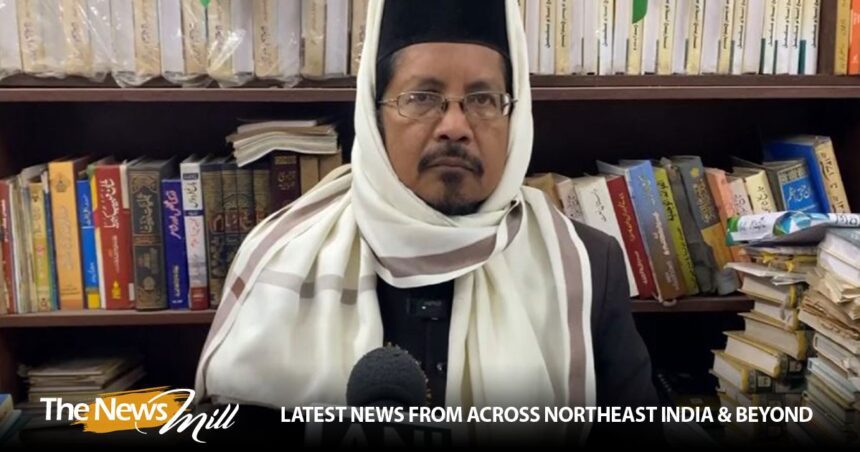

On February 3, Maulana Shahabuddin Razvi Barelvi, the national president of the All India Muslim Jamaat (AIMJ), urged governmental authorities to declare the cow as India’s national animal. He argued that such a declaration would foster social harmony, while emphasizing Islamic teachings that recognize the cow’s milk as beneficial and discourage the consumption of beef.
Context of the Call for National Animal Status
Maulana Razvi’s appeal coincided with the promotion of a film titled ‘Godaan’ by Uttar Pradesh Chief Minister Yogi Adityanath. This film is centered on the themes of cow protection and preservation, indicating the political and cultural significance attached to the cow in India. Razvi underscored that a national recognition of the cow would potentially alleviate long-standing social tensions surrounding its status, suggesting that historical controversies often linked to the cow could be resolved by embracing this declaration.
Islamic Perspectives on Cow Preservation
The Maulana offered a religious viewpoint, referring to Hadiths attributed to Prophet Muhammad (peace be upon him). He claimed these teachings emphasize the benefits of cow’s milk while advising against consuming its meat due to health concerns. He articulated that Muslims should focus on raising cows to benefit from their milk, which he described as having healing properties, thereby contributing to both individual health and community well-being. Razvi’s message not only urges Muslims to integrate cow preservation into their lives but also addresses broader societal implications.
Promotion of Peace and Social Harmony
In his appeal, Razvi encouraged a collective movement among Muslims to adopt and raise cows, framing this as a strategy to promote peace and health within communities. By advocating for an increase in cow ownership, he posits that members of the Muslim community can contribute positively to both their own welfare and broader societal cohesion. This initiative reflects a proactive approach to inciting dialogue around cultural practices, community engagement, and inter-community relations amid a climate often characterized by tension and division.
Why It Matters
Maulana Razvi’s call for the cow to be declared as the national animal taps into deep-rooted cultural, religious, and political dynamics within Indian society. The cow holds symbolic significance, often viewed as sacred in Hinduism, which can create friction in multi-religious contexts, particularly regarding dietary practices. The framing of cow preservation as essential for social harmony may influence discussions on policy-making, interfaith relations, and community engagement. Additionally, it raises questions about the implications of endorsing specific religious perspectives in a secular state, pointing to the challenges of maintaining a pluralistic society in India.
Frequently Asked Questions
What are the benefits of declaring the cow as the national animal?
Proponents argue that declaring the cow as the national animal would foster social harmony and alleviate historical controversies linked to its status, creating a more unified societal narrative.
What does Islamic teaching say about cow preservation?
According to Maulana Razvi and various Hadiths, Islamic teachings promote the protection of cows, emphasizing their milk’s health benefits while discouraging beef consumption due to potential health risks.
How does this issue affect interfaith relations in India?
The status of cows touches on sensitive cultural and religious lines in India, influencing discussions between Hindu and Muslim communities concerning dietary practices and the shared cultural heritage.
What role do political messages play in the cow preservation narrative?
Political leaders and cultural figures often utilize the cow as a symbol to rally support, which can exacerbate tensions or foster unity, depending on the context and message conveyed.