Key Takeaway
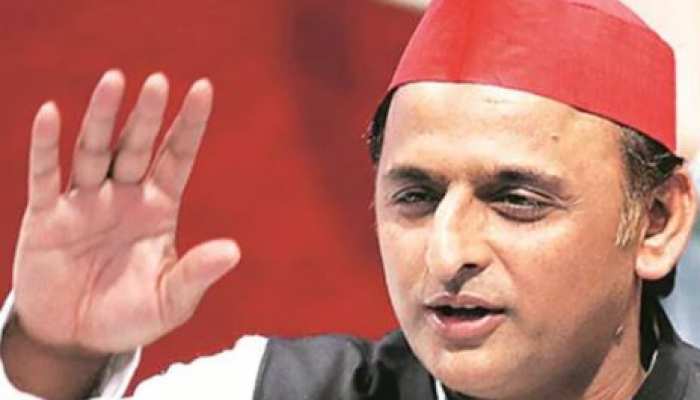
Samajwadi Party President Akhilesh Yadav has sharply criticized the ruling Bharatiya Janata Party (BJP) in India, accusing it of corruption and injustice during a press conference in Uttar Pradesh. Yadav emphasized that the various crises facing the state could only be resolved if the BJP were to be voted out of power.
Allegations of Corruption and Injustice
In his recent address, Yadav accused the BJP of being synonymous with “bhrasht” (corrupt), “julm” (oppression), and “paap” (sin). He focused on the expressways built under the current government—including the Lucknow-Kanpur, Bundelkhand, and Purvanchal expressways—declaring them as “victims of corruption.” Yadav also drew attention to land mafias allegedly connected to the ruling party, who he claims are encroaching upon essential public lands and ponds across Uttar Pradesh, highlighting the pressing issues of governance and accountability within the state.
This critique of the BJP’s governance raises significant concerns about the state of public resources and transparency. Yadav’s allegations reflect growing discontent among the populace, particularly regarding the management of infrastructure development that should ideally benefit all citizens.
Protests and Government Response
Yadav did not hold back in addressing the recent violent crackdown on protesting youths at Jantar Mantar in New Delhi. He condemned the government’s use of force and questioned the leadership’s accountability, demanding clarity on who ordered the baton-charge. His remarks implied that government officials may face repercussions if they acted unjustly under the current administration.
The situation at Jantar Mantar underscores a larger trend of suppression of dissent and civil liberties in India, which has drawn attention from various sections of the civil society and human rights organizations. Yadav’s warnings to officials illustrate a climate of fear where individuals may hesitate to act against their superiors for fear of retaliation.
Cultural and Political Critique
In a more cultural critique, Yadav took aim at Prime Minister Narendra Modi, characterizing his engagement in social media “reels” as an unfortunate diversion from serious governance issues. He expressed outrage over allegations surrounding the misappropriation of “Ram dhan” and called for accountability regarding offensive portrayals of religious figures in political contexts.
This discourse highlights the intertwining of politics, religion, and culture in India’s current socio-political landscape. Yadav’s comments could resonate with those who feel that governance has taken a backseat to spectacle and populist engagement, further polarizing an already divided electorate.
Why It Matters
This situation is significant as it exposes the ongoing challenges in India regarding transparency, accountability, and civil rights. Public trust in government institutions appears to be at a low point, raising questions about the implications for democratic processes in upcoming elections. The accusations made by Yadav may resonate particularly with marginalized communities, inclusive of minority populations such as Muslims, who often bear the brunt of socio-political exclusion and economic disparities under BJP governance. Examining these dynamics is crucial for understanding the larger framework of governance in contemporary India.
Frequently Asked Questions
What are the key allegations made by Akhilesh Yadav against the BJP?
Akhilesh Yadav alleges that the BJP is corrupt and oppressive, claiming that expressways built under its governance are marred by corruption and that land mafias linked to the ruling party are encroaching on public lands.
How has the BJP responded to the protests against the government?
The BJP has not publicly clarified the circumstances surrounding the violent response to protests at Jantar Mantar, leaving questions about accountability within the government.
What implications do these allegations have for the upcoming elections in Uttar Pradesh?
The allegations could significantly influence public opinion and voter behavior, particularly among those dissatisfied with the current administration’s performance and who feel marginalized.
How does this situation reflect on the broader socio-political climate in India?
The current situation suggests a tense environment where issues of governance, civil liberties, and accountability are at the forefront, indicating potential challenges to democratic norms and practices in India.