
Rajasthan's Uniform Civil Code Debate Highlights Societal Divisions
The Bhajan Lal Sharma-led government in Rajasthan is moving to implement a Uniform Civil Code (UCC) in the state, a decision that has sparked significant debate and concern, especially among Muslim communities. This initiative follows similar measures in other BJP-ruled states and raises critical questions about religious freedoms and social equity.
Government Initiative and Support
The Rajasthan government’s formation of an expert committee to draft the UCC aims to standardize personal laws regarding marriage, divorce, adoption, inheritance, and succession across all citizens regardless of religion. Supporters of the UCC within the Bharatiya Janata Party (BJP) argue that such a framework will enhance equality before the law and reduce complexities in legal matters. The BJP points to the successful implementation of the UCC in Uttarakhand, which became the first state to enact the law in 2024, as a model for positive change.
Opposition from Religious Groups and Political Critics
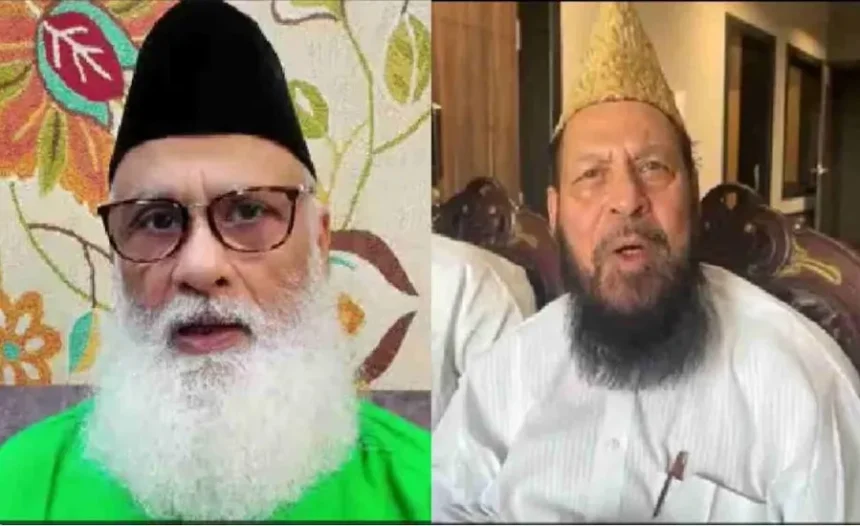
The proposed UCC has faced fierce opposition, particularly among Muslim organizations, religious leaders, and the Congress party. Prominent religious figures, such as Syed Sarwar Chishti from the Ajmer Sharif Dargah, have raised concerns that the UCC would disproportionately impact Muslims, questioning the government’s commitment to upholding religious freedoms. Chishti argues that if exemptions can be granted to certain tribal communities to preserve their customs, Muslim personal laws should also be afforded similar consideration.
The All India Muslim Personal Law Board is also vocally opposed to the UCC, with Vice-President Maulana Obaidullah Khan Azmi asserting that Muslim personal laws are integral to the community’s religious identity. Azmi emphasizes the need for extensive consultations before any alterations are made to such fundamental aspects of communal life.
Political Ramifications and Public Perception
The political environment in Rajasthan is charged as the Congress party criticizes the UCC initiative as a diversion from pressing socio-economic issues like employment and inflation. Rajasthan Congress President Govind Singh Dotasra has accused the government of using the divisive topic of UCC to distract from governance failures. The Leader of Opposition, Tika Ram Jully, has also questioned the timing and intent of the UCC proposal, calling for transparency and clarity.
In a state where the demographic landscape is diverse, the UCC debate serves as a political battleground reflecting broader societal tensions. While BJP leaders claim the proposal intends to unify and simplify legal frameworks, critics argue it threatens to marginalize minority religious identities, amplifying insecurities within those populations.
Why It Matters
The discussion surrounding the UCC in Rajasthan is emblematic of ongoing tensions between state policies and religious freedoms in India. For the American and global audiences observing this situation, it highlights the complexities of governance where legislation intersects with deeply rooted cultural and religious identities. The debates around the UCC reflect broader discussions about secularism, individual rights, and the challenges of creating a cohesive legal framework that respects diversity within a pluralistic society.
Frequently Asked Questions
What is the Uniform Civil Code (UCC)?
The UCC proposes to replace personal laws based on the scriptures and customs of each major religious community in India with a common set governing every citizen, regardless of religion.
Why are some communities opposed to the UCC?
Many communities, especially Muslims, argue that the UCC undermines their religious freedoms and traditional personal laws. Critics fear it could lead to loss of identity and rights specific to their religious practices.
What are the main arguments in favor of the UCC?
Proponents argue that the UCC promotes legal equality, simplifies family law proceedings, and addresses issues like polygamy and inheritance rights in a universal context.
How has the UCC been received politically in Rajasthan?
The UCC has polarized political opinions, with BJP supporters advocating for the code while opposition parties like Congress criticize it as a distraction from pressing social issues and a potential cause for societal division.