
Summary
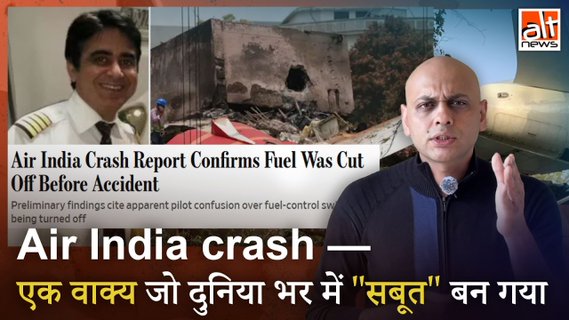
The Air India crash incident, which occurred a year ago, continues to draw attention due to inconsistencies surrounding the cockpit conversations that were supposedly monitored. Notably, these conversations did not mention fuel switches or the pilots involved, yet a narrative has emerged blaming one of the pilots for the mishap by allegedly turning off the fuel switch.
Context of the Incident
The Air India tragedy, which unfolded in Ahmedabad, raised numerous questions about air safety and protocols. As investigations were launched, one particular angle focused on the conversations captured in the cockpit prior to the incident. However, these recorded discussions failed to provide any evidence concerning the fuel switch, which is essential for an aircraft’s operation. This lack of critical information has prompted widespread discussion and speculation.
Witnesses and experts in aviation safety have pointed out that incidents of this nature arise from a confluence of factors, rather than a single point of failure. The absence of mentioning the fuel switch in the cockpit recordings raises questions about the integrity of the investigations and whether the narrative being constructed is based on substantial evidence or hearsay.
Public Discourse and Media Narratives
Following the crash, media outlets and public discussions have leaned towards the angle that a pilot’s actions led to the disaster. This narrative gained traction despite the absence of direct evidence linking their actions to the shutdown of the fuel system. The portrayal of the incident suggests a rush to judgment, where the complexity of aviation operations is overly simplified into a singular blame on human error.
Experts argue that such sensational narratives can harm the public’s understanding of aviation safety. Instead of focusing solely on human error, there’s a necessity to examine all contributing factors, including mechanical failures, procedural issues, and communication breakdowns. Elevating one theory without considering the full scope may lead to unjust consequences for professionals and affect policies aimed at improving aviation safety.
Investigative Challenges
The process of effectively investigating aviation incidents is complex, requiring a comprehensive analysis of various factors including, but not limited to, pilot protocols, mechanical systems, and air traffic control procedures. In the case of the Air India crash, investigators must dissect multiple elements to arrive at an informed conclusion rather than attributing blame prematurely.
Moreover, the lack of transparency surrounding the cockpit conversation transcripts raises concerns about accountability in investigative processes. If core conversations among flight crews are kept from the public eye, it can hinder transparency and trust in aviation safety investigations.
Why This Matters
The insistence on a singular narrative points to broader concerns about accountability within the aviation industry. In India, where air travel has expanded rapidly over the years, understanding the intricacies of flight operations is vital for both industry stakeholders and passengers.
The political implications are significant, as public trust in aviation safety strengthens or weakens based on how such incidents are handled. Ensuring that narratives around such tragedies are formed on factual and complete analyses will ultimately lead to better regulatory measures and safety protocols, safeguarding future travelers and preserving the integrity of the aviation sector.
Frequently Asked Questions
What was the cause of the Air India crash?
The exact cause of the crash is still under investigation, but early narratives have pointed to human error, particularly involving a potential decision by a pilot to turn off the fuel switch.
Why is the cockpit conversation important?
Cockpit conversations provide crucial insights into the decision-making processes of pilots during flights. Analyzing these recordings can help identify failures in protocols and system operations, contributing to a more comprehensive understanding of aviation incidents.
What are the implications of a rushed narrative?
A rushed narrative may lead to unjust blame on individuals without fully exploring all factors contributing to an incident. This can affect professional reputations and hinder advancements in aviation safety regulations.
How is aviation safety regulated in India?
Aviation safety in India is regulated by the Directorate General of Civil Aviation (DGCA), which establishes guidelines and conducts investigations into incidents. Their goal is to enhance safety standards and maintain public confidence in air travel.