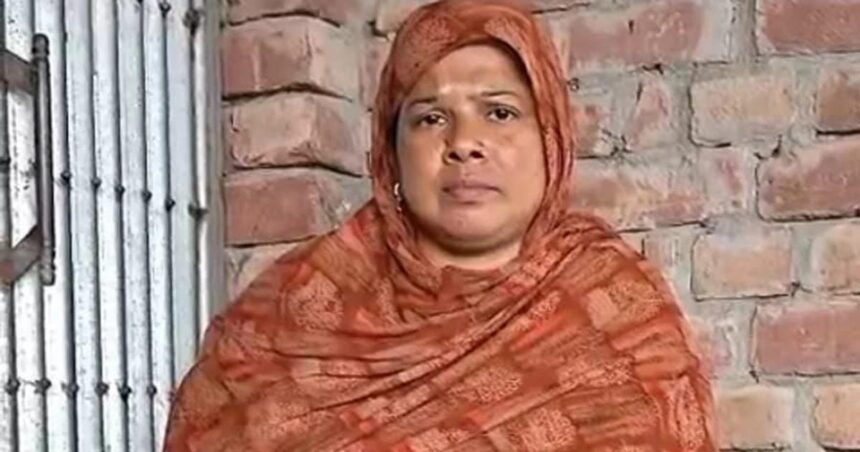

A troubling case has emerged involving the forced deportation of Sahida Fakir, a Muslim woman from West Bengal, India, who was wrongfully identified as an illegal Bangladeshi migrant. Despite holding legitimate Indian citizenship documents, she was forcibly pushed across the border into Bangladesh, separating her from her husband and two young sons.
Background of Discrimination
The ongoing issue of wrongful profiling by Indian security forces particularly targets Bengali-speaking Muslims in the region. Sahida Fakir, aged 40, was a victim of this systemic discrimination. She was apprehended while on her way to a local market in Swarupnagar, North 24 Parganas district, and subsequently pushed across the Assam border at around 1 a.m.
Fakir’s family, along with the rights group Mahila Sarvangeen Utkarsh Mandal (MASUM), has presented multiple documents such as her birth certificate, voter ID, and land records to affirm her legal status in India. However, despite this evidence, the West Bengal Criminal Investigation Department (CID) allegedly denied knowledge of her detention, further complicating her family’s efforts to bring her home.
Legal and Social Ramifications
Fakir was reportedly held in custody for approximately 90 hours without legal representation or the opportunity to communicate with her family. This highlights significant legal oversight and raises questions about the methods employed by border authorities. MASUM has lodged a formal complaint against the police, claiming that her identification as a Bangladeshi national was unfounded and lacked due process.
The situation has created a personal crisis for her family, particularly for her husband Jumman Fakir and their sons, who are now separated from their mother. The family is seeking legal intervention to establish her return while facing a heightened climate of xenophobic sentiment against Bengali speakers in India.
The Broader Context of Displacement
This case is not isolated. It reflects a worrying trend where Bengali-speaking individuals, particularly migrant workers, face unjust profiling and deportation under accusations of being undocumented Bangladeshis. Past incidents, including the wrongful detention of women like Sunali Khatun and Sweety Bibi in 2025, signal a broader pattern of discrimination against Bengali-speaking populations in India.
As the political landscape continues to shift, particularly under the governance of the Bharatiya Janata Party (BJP) and associated groups, the migration and citizenship debate intensifies. Rights groups have raised alarms over the potential for increased marginalization of these communities based solely on language and appearance, which can lead to widespread social and economic exclusion.
Why It Matters
The situation involving Sahida Fakir underscores profound implications for civil rights in India, particularly for marginalized communities. Discrimination on the basis of ethnicity and language contributes to broader social instability, undermining the democratic principles of equality and justice. The unjust treatment of Bengali-speaking Muslims calls for a comprehensive evaluation of policies surrounding migration and citizenship. Addressing these issues is crucial for restoring faith in public institutions and ensuring the protection of human rights for all citizens.
Frequently Asked Questions
What happened to Sahida Fakir?
Sahida Fakir, a Muslim woman from West Bengal, was wrongfully identified as an illegal Bangladeshi immigrant, forcibly deported into Bangladesh despite holding valid Indian citizenship papers.
What documents did Fakir’s family present to prove her citizenship?
Fakir’s family cited several documents, including her birth certificate, voter ID, and land records, to demonstrate her long-standing legal connection to India.
How long was Fakir held in custody without legal assistance?
Fakir was reportedly held in custody for about 90 hours without being presented before a judicial magistrate or having access to legal counsel.
What actions are being taken by her family and rights groups?
Fakir’s family, along with MASUM, is seeking legal intervention to facilitate her return to India and has raised concerns regarding the legality of her detention.