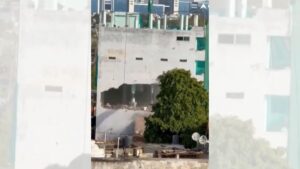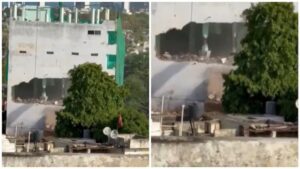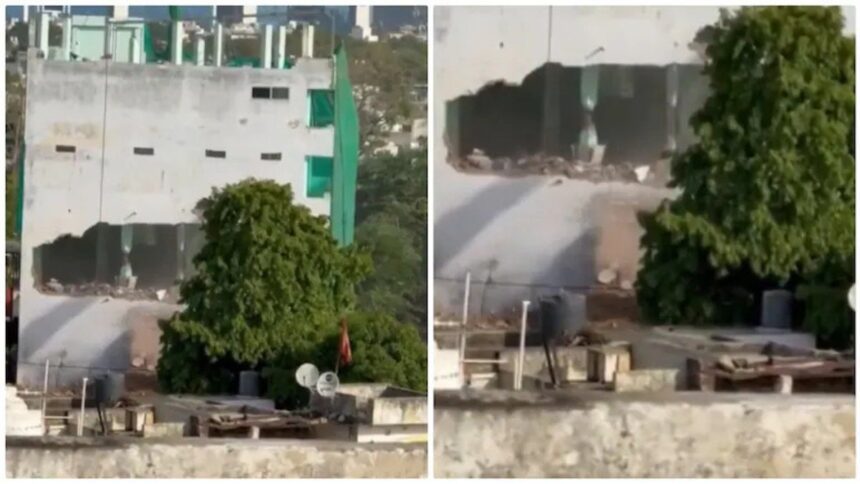

A recent demolition drive in Jaipur has sparked tensions as authorities cleared religious structures, including the Noorani Mosque, for a road widening project. The move has raised concerns about the treatment of minority communities in India, particularly Muslims.
Demolition Drive Raises Tensions
The demolition of Jaipur’s Noorani Mosque began on Sunday as local authorities moved ahead with a controversial road widening project. Built in 1981, the mosque is one of several religious structures earmarked for removal, which also includes a mazar, two small temples, and a satsang building. This initiative has spotlighted the broader issues of religious discrimination and social exclusion affecting Indian Muslims, especially in the context of urban development.
Heavy Police Presence and Communication Shutdowns
The administration deployed approximately 3,000 police personnel to ensure the process proceeded smoothly amid public unrest. Internet services in certain areas of Malviya Nagar were suspended for 24 hours to maintain law and order, reflecting a heightened state of alert surrounding the operation. As police conducted flag marches in the area, concerns about possible violence loomed, revealing the delicate balance between administrative action and community rights.
Allegations of Inadequate Notice
The mosque committee has raised serious concerns regarding the demolition notice, claiming it was issued only on the Friday before the demolition, allowing them insufficient time to respond. They argue that the Noorani Mosque has been a vital community hub for over four decades, with regular prayers taking place for its congregation. Committee members assert that the land was legally purchased from a housing society approved by the Jaipur Development Authority (JDA), challenging the JDA’s classification of the mosque as an illegal structure.
Urban Development or Religious Discrimination?
The JDA maintains that the mosque’s removal is necessary for the road widening project, aimed at alleviating persistent congestion in the area. The agency claims prior notices were issued to 143 properties associated with the project. While 134 structures were cleared in a previous phase, the latest demolitions, including the Noorani Mosque, suggest a troubling pattern of marginalization of religious minorities in urban planning initiatives. Authorities have also proposed roughly 1,100 square yards of alternative land in the Kho Nagorian area, raising questions about the viability and fairness of such compensation.
Why It Matters
This incident underscores ongoing concerns regarding the marginalization of Muslims in India, particularly under the governance of the BJP and affiliated organizations. The demolition of religious sites not only raises ethical questions about urban development policies but also highlights the potential for increased communal tension. Such actions may contribute to a cycle of discrimination, affecting the social fabric of the nation and challenging the principles of secularism enshrined in the Indian Constitution. For developers and urban planners, these events serve as a critical reminder of the importance of inclusive approaches that respect the cultural and religious identities of all communities.
Frequently Asked Questions
What triggered the demolition drive in Jaipur?
The demolition drive was initiated as part of a road widening project, deemed necessary by the Jaipur Development Authority to alleviate congestion in the Malviya Nagar area.
What was the response from the mosque committee regarding the demolition notice?
The mosque committee claimed they received the demolition notice just days before the operation, arguing they were not given sufficient time to respond or prepare.
How many police personnel were deployed for the demolition?
Approximately 3,000 police personnel were deployed to maintain order and prevent potential unrest during the demolition process.
What alternative was offered to the mosque committee?
Authorities reportedly offered around 1,100 square yards of alternative land in the Kho Nagorian area as compensation for the mosque’s removal.