
Background of the NEET Controversy
In a significant move, a collective of distinguished academics, writers, and activists has urged Indian Union Education Minister Dharmendra Pradhan to resign due to ongoing controversies surrounding the National Eligibility cum Entrance Test (NEET) and other competitive examinations. This public outcry is anchored in growing frustrations about the mismanagement and transparency issues within India’s examination system, which impacts countless students across the nation.
The Hunger Strike and Its Implications
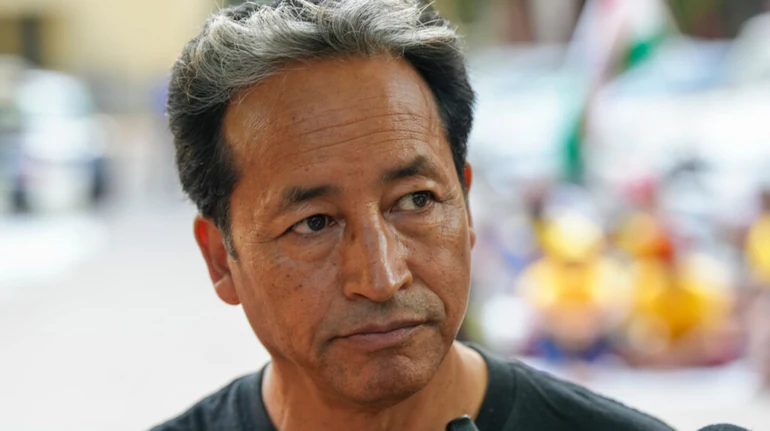
The catalyst for this open letter is noted education and environmental activist Sonam Wangchuk, who is currently on an indefinite hunger strike that has now stretched into its twentieth day. Wangchuk’s protest serves as a powerful reminder of the desperation felt by many regarding the government’s accountability regarding national examinations. His hunger strike is particularly poignant as it has highlighted broader societal concerns about educational integrity, access, and the roles of government officials in managing these essential processes.
The signatories of the open letter have raised alarms about Wangchuk’s declining health, as reports indicate he has lost approximately ten pounds during his fast. The situation escalates further with some students joining him in solidarity, bringing to light not only their commitment to the cause but also the risks to their health and well-being.
Calls for Accountability and Moral Responsibility
The open letter stresses that if any harm comes to Wangchuk or the participating students, the moral responsibility will lie squarely on the shoulders of the Education Minister. The authors have implored Pradhan to “take the honourable course” by resigning, thereby accepting personal accountability for what they term as failures in handling the examination processes. This call for accountability, they argue, could help in bringing the hunger strike to an end and address the urgent need for educational reform.
The letter has garnered signatures from various prominent public intellectuals and activists, including Romila Thapar, Prabhat Patnaik, and Harsh Mander. Their involvement adds a significant weight of authority to the demand, drawing attention to the urgency of the situation and the implications it holds for millions of students across India.
Political Context and Broader Implications
This incident occurs within a larger political context of increasing scrutiny towards the Indian government, particularly the ruling BJP and its affiliates. The party has faced criticisms regarding its policies, which some argue disproportionately affect marginalized communities, including Indian Muslims. The governance model under BJP has often been scrutinized for promoting societal divisions and fostering environments of discrimination, particularly in educational sectors where access has become increasingly restricted.
While this particular controversy centers on examination governance, it also inadvertently draws a parallel to the broader issues of social inclusion and equality, or lack thereof, inherent within India’s political landscape. The cries for accountability and transparency in education can be emblematic of the larger demands for equity in a society that time and again grapples with issues of identity and access.
Why It Matters
This situation underscores the pressing need for reform in the educational system amidst a backdrop of political unrest and social discontent. The call for resignation from a high-ranking official highlights the importance of accountability in governance, particularly in sectors that influence the future of thousands. For educational developers and policymakers, this scenario serves as a reminder of the consequences of neglecting public sentiment and the pressing need for robust, equitable systems that serve all communities fairly.
Additionally, the involvement of well-respected intellectuals amplifies the message, ensuring that discussions around educational reform remain at the forefront of national dialogue, with potential repercussions that extend beyond examinations into broader societal equity.
Frequently Asked Questions
What is the NEET controversy about?
The NEET controversy revolves around allegations of mismanagement in the conduct of the examination system in India, prompting calls for accountability from various educators and activists.
Who is Sonam Wangchuk?
Sonam Wangchuk is an education and environmental activist known for his innovative approaches to education reform and sustainability. He has initiated a hunger strike to demand accountability in the examination process.
What do the signatories of the open letter want?
The signatories are urging Union Education Minister Dharmendra Pradhan to resign on moral grounds and accept accountability for the mismanagement of national examinations.
How has the government responded to the protest?
As of the time of publication, the Union Education Ministry had not issued a response to the open letter or the ongoing hunger strike.