
Frequent power outages in Valencia, Venezuela, are severely disrupting vital medical treatments, including kidney dialysis. The ongoing crisis is not only impacting health but has also sparked widespread public unrest, raising questions about resource management in a country rich in oil. The situation reflects a broader challenge that may resonate with many in India facing similar infrastructural issues.
Frequent Interruptions in Critical Health Treatments
Onasis Munoz, a 34-year-old resident of Valencia, Venezuela, relies on a kidney dialysis machine for survival. Recently, the machine stopped abruptly during a session due to a power cut, a situation that has become alarmingly common for Munoz. These power outages typically last around seven hours each day and have intensified in recent months, causing significant disruptions to his treatment regime.
The clinic where Munoz receives care has depleted its emergency batteries and is unable to utilize its backup generator. As a result, many patients like Munoz are experiencing deteriorating health. He described feeling utterly exhausted after each treatment session, likening it to running a marathon, only to return home to an equally oppressive environment due to ongoing power outages.
Public Unrest and Government Response
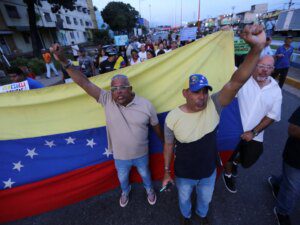
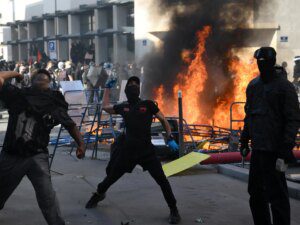
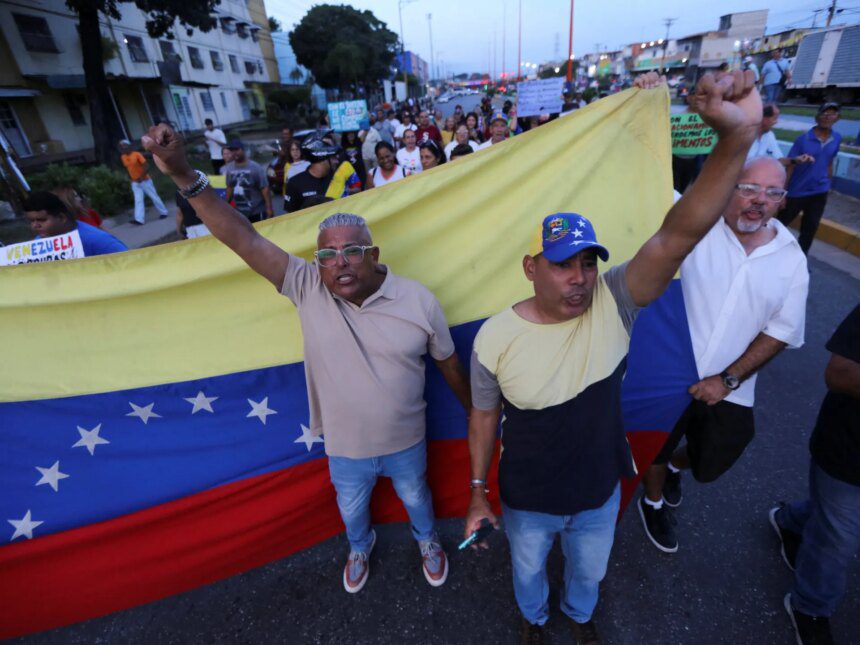
The situation in Venezuela has led to rising public frustration, culminating in protests. Demonstrators have engaged in “cacerolazos,” a traditional form of protest that involves banging pots and pans, to express their anger over the constant power cuts. Some citizens have taken more extreme measures, such as blocking roads and setting tires on fire. These actions highlight the desperation felt among those living in an oil-rich country plagued by resource mismanagement.
Local residents like Patricia Cueva, a lawyer from Maracaibo, emphasize the irony of being left in the dark in a nation rich in natural resources. “We cannot rest. We cannot work. Our children cry,” she said, reflecting the emotional toll on families as essential services collapse due to mismanagement of electricity supplies.
The Broader Context of Energy Infrastructures
Venezuela’s power crisis is a microcosm of challenges faced by nations grappling with energy infrastructures. The government of interim President Delcy Rodriguez has resorted to rationing electricity, but many citizens feel the measures are inadequate and poorly managed. This raises questions about governance and accountability in resource-rich nations.
In a global context, countries such as India have experienced their own energy crises and related public dissatisfaction. Similarities can be drawn between Venezuela’s plight and regions in India where power outages also pose significant challenges, disrupting daily life and economic activities. The experiences of Venezuelans could serve as a cautionary tale for nations on managing natural resources and ensuring citizens have access to basic services.
What This Means
For Indian readers, the electricity crisis in Venezuela underscores the critical importance of accountable governance in managing natural resources. As energy needs grow globally, the mismanagement observed in some countries serves as a reminder of the impact that poor policy decisions can have on the daily lives of citizens. Stable energy supply is essential not just for health services, as seen with Munoz, but for the entire economy, reminding us of our need for resilient infrastructure and smart governance.
Frequently Asked Questions
What is causing the power outages in Venezuela?
The outages have been attributed to poor management of the country’s aging infrastructure and deliberate rationing by the government as a response to energy shortages.
How is this affecting health services like dialysis?
Frequent power cuts have disrupted the operations of clinics providing critical health services, resulting in treatment delays and adversely affecting patient health.
Are protests common in Venezuela regarding this issue?
Yes, growing public frustration over power outages has led to protests, including traditional forms of demonstration like “cacerolazos,” as citizens express their dissatisfaction with the government’s response.
How does this situation compare to energy issues in India?
Similar to Venezuela, some regions in India also experience significant energy shortages and power outages, particularly in rural areas, highlighting the need for improved energy management and infrastructure.