
Political Prisoners in Venezuela: A Growing Crisis
The plight of political prisoners in Venezuela has garnered attention amid ongoing negotiations between the government and opposition. Former prisoners, including Americo de Grazia and Aranza Hernandez, have highlighted the urgent need for the release of detained dissidents as part of wider discussions for electoral reforms.
Opposition Voices Take to the Streets
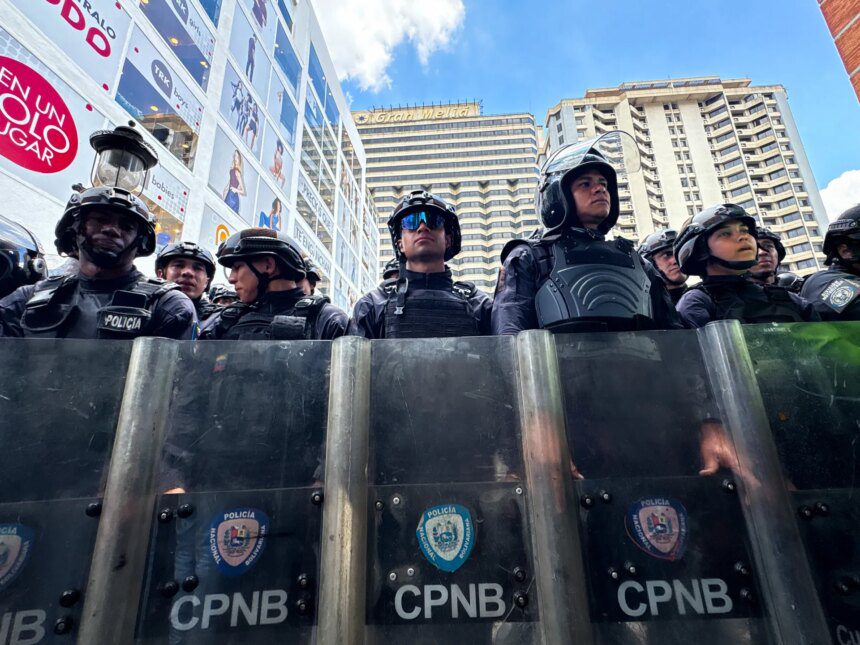
As tensions rise in Caracas, opposition figures are calling for timely elections and a concerted effort to release political prisoners. During recent street demonstrations, they expressed frustration over the prolonged detention of dissidents. The release of prisoners has been a central theme of their agenda, indicating a collective desire for change in the political landscape.
Americo de Grazia, who spent over a year in El Helicoide prison, emphasized the significance of addressing the issues at the core of Venezuela’s judicial system. “There is no better place to start than at the top, with the highest judicial body,” he stated. His remarks reflect a growing sentiment among former detainees that reforming the Supreme Tribunal of Justice could pave the way for broader changes, including the release of political prisoners.
The Human Cost of Political Repression
Stories of detained individuals reveal the personal toll of Venezuela’s political repression. Aranza Hernandez was arrested at just 19 years old, accused of terrorism in what many believe was a retaliatory act against her military family member. With her brother facing charges of involvement in an anti-government uprising, the Hernandez family is emblematic of the targeting of those perceived as dissenters. Despite her release, her uncle and cousin remain incarcerated, underscoring the ongoing struggle for justice.
Human rights organizations, including Amnesty International and Foro Penal, have estimated that over 390 individuals are still held as political prisoners in Venezuela. This statistic reflects a deep-rooted crisis that extends beyond individual stories to a larger systemic issue affecting countless families across the country.
Uncertain Future, Yet a Ray of Hope
Despite the skepticism expressed by figures like de Grazia regarding the motives behind ongoing negotiations, there is a tangible hope for constructive outcomes. Hernandez’s powerful call at a recent protest highlighted the urgent need for political prisoner issues to be prioritized in negotiations. “The focus should be the political prisoners – and the freedom of an entire country,” she asserted. This sentiment resonates with many who believe that addressing such grievances is critical to ensuring a more democratic Venezuela.
The historical context of political strife in Venezuela, marked by economic turmoil and governmental repression, has created an atmosphere where dialogue—though fraught with challenges—offers a potential path forward. Advocates are calling for sustained international attention to keep pressure on the Venezuelan government regarding human rights abuses.
What This Means
For Indian readers, the situation in Venezuela serves as a reminder of the fragility of democratic institutions in the face of political repression. As the world’s largest democracy, India has a unique position to observe and possibly intervene in discussions about human rights. The plight of Venezuelan political prisoners is a cautionary tale for nations grappling with authoritarian challenges and may resonate in the context of India’s own political discourses about rights and freedoms.
Frequently Asked Questions
What is the current status of political prisoners in Venezuela?
As of the latest reports, over 390 individuals are believed to be held as political prisoners in Venezuela, with former detainees advocating for their release during ongoing negotiations between the government and opposition.
Who are some notable political prisoners in Venezuela?
Americo de Grazia and Aranza Hernandez are prominent former political prisoners. Both have shared their experiences to spotlight the issues surrounding political repression in the country.
What reforms are being discussed in Venezuela?
Negotiations are focusing on a potential overhaul of the Supreme Tribunal of Justice, which de Grazia believes could initiate broader judicial reforms necessary for addressing the issue of political prisoners.
How does the situation in Venezuela relate to other countries?
The crisis in Venezuela exemplifies the challenges faced by nations under authoritarian regimes, drawing parallels to issues of political repression and human rights abuses that have been observed in various countries worldwide, including India.