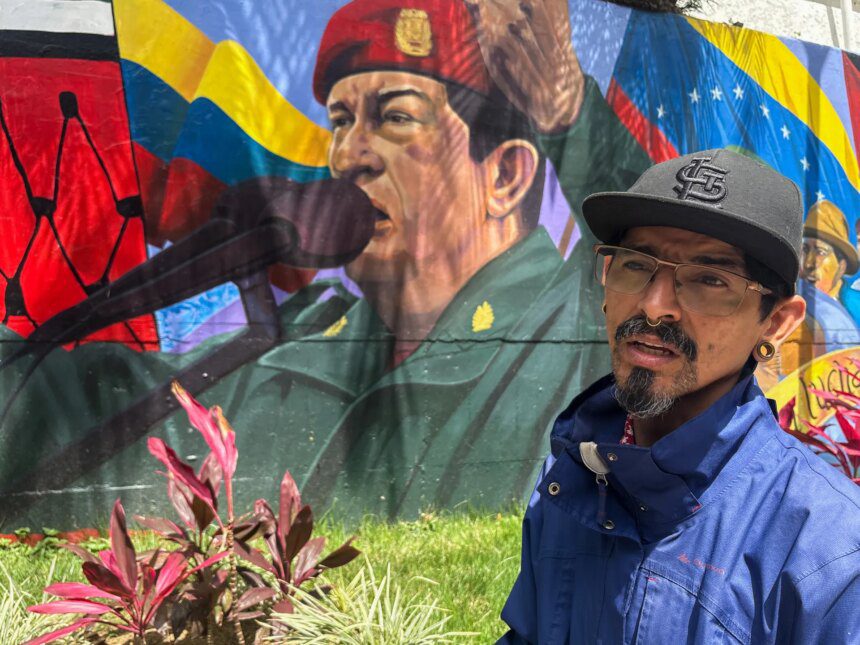

Art as a Reflection of Political Sentiment in Venezuela
The public art scene in Venezuela has dramatically shifted from expressions of love for leaders like Hugo Chavez to politically charged propaganda under the current government. Artists like Forastero and activists like Rafael Araujo are at the forefront of these changing sentiments, highlighting the intricate relationship between art and political identity in a nation grappling with its historical legacy and current challenges.
From Adoration to Propaganda
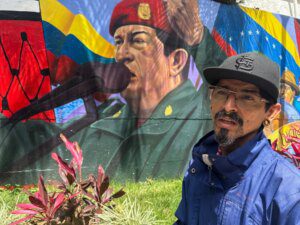
Hugo Chavez’s image once adorned walls across Caracas, symbolizing hope and connection for many Venezuelans. These murals, depicting Chavez in joyous moments with children or engaging in everyday activities, reflected a collective sentiment of love and admiration for the leader. However, over the decades, public art has increasingly come under the control of the government, morphing from community-created expressions to state-sanctioned propaganda. Artist Forastero laments this transformation, stating, “Muralism is a story told on a wall. What we really see on the walls now are propaganda posters.” This shift not only reflects government control but also issues a stern warning about the dangers of art being used as a tool of state policy rather than a vehicle for self-expression.
Contemporary Critiques of Leadership
While Forastero views the murals as a distortion of artistic expression, Venezuelan activist Rafael Araujo perceives them as oppressive symbols of a repressive political regime. Known as Senor Papagayo, Araujo opts for a more constructive form of protest with colorful kites that carry messages of freedom. He argues that the overwhelming presence of chavista imagery serves as a painful reminder of human rights abuses and democratic shortfalls in Venezuela. “Freedom is what all countries need,” he asserts, emphasizing the importance of democracy as a balanced system for citizens.
Government Strategies: A Complex Landscape
This struggle between art and government is further complicated by the current leadership’s strategy to reshape its public image. Forastero claims that the government under Rodriguez seeks to portray a “neutral” appearance to improve relations with the U.S., suggesting a shift away from the revolutionary ideals of chavismo. He accuses the administration of abandoning core principles like anti-imperialism and revolution, which have historically defined its identity. This situation highlights the complexities of political propaganda, where even the removal or alteration of public art feeds into broader narratives about governance and public sentiment.
What This Means
For Indian readers, the Venezuelan experience serves as a cautionary tale about the power of art in reflecting and shaping political narratives. Like Venezuela, India has a rich tradition of public art that often serves as a commentary on social issues and political identities. The current situation in Venezuela illustrates how governments can co-opt artistic expression for propaganda purposes, challenging democratic norms. Moreover, it offers a lens through which we can understand the role of civil society and activism in demanding a more democratic space for artistic expression in India and beyond.
Frequently Asked Questions
What role does art play in political identity?
Art often reflects societal values and political sentiments, serving as both a form of expression and a tool for propaganda. In Venezuela, public murals initially celebrated leaders but have shifted to state-sanctioned messages, highlighting the complex relationship between governance and expression.
Why is the removal of murals considered a form of propaganda?
The removal of murals can be seen as an attempt to reshape public perception and project a more favorable image to specific audiences. In Venezuela, critics argue that the Rodriguez government is trying to alter its image to appeal to international stakeholders, particularly the United States.
What does the term ‘chavismo’ refer to?
Chavismo is a political ideology based on the ideas and practices associated with Hugo Chavez. It includes elements of socialism, anti-imperialism, and populism aimed at prioritizing the needs of the largely impoverished Venezuelan population.
How is civil society responding to government control over art?
Civil society, through activists and artists, is increasingly using alternative forms of expression, such as kites and individual protests, to challenge the narrative pushed by the government. This situation highlights the ongoing struggle for freedom and expression in oppressive contexts.